

NOW:
click

Showing posts with label Teen suicide. Show all posts
Showing posts with label Teen suicide. Show all posts
Saturday, October 4, 2025
Indigenous Nations Sue Social Media Giants, Citing Youth Mental Health Harms...

Monday, September 5, 2011
First Nation in danger of losing a generation (Ontario)
 |
| archival photo |
By Linda Nguyen, Postmedia News (September 3, 2011)
The federal and provincial governments need to urgently improve basic living conditions for an impoverished, remote northern Ontario First Nations community if it wants to put an end to a "extraordinary rate" of teen suicides there, according to a yearlong review by the provincial coroner's office.
The 215-page report released Friday by the Ontario Office of the Chief Coroner identified a number of factors that it says contributed to the 16 child and youth suicides that have occurred on the Pikangikum First Nation reserve over a two-year old period.
The review found that the fly-in community of 2,400 in northwestern Ontario lacks basic infrastructure, such as easy access to clean drinking water, a sewage system, a school, recreational facilities, and health services, including substance abuse programs.
This has led to a sense of hopelessness among the younger generation in the community, concluded the report, which outlined more than 100 recommendations.
"What we require right now is action," says Assembly of First Nations Chief Shawn Atleo.
Atleo says the problems plaguing Pikangikum are not unique. Many Aboriginal communities feel like they are being "left behind" by the government.
"Canada stands for human rights around the world but the backdrop here is a deep and growing gap between First Nations and the rest of Canada," he said.
During 2006-08, 16 children and youth from 10 to 19 years old committed suicide. The majority of the deaths were hangings.
In the last two months alone, five young people have committed suicide. The latest death was of a 26-yearold on Aug. 29.
The Pikangikum First Nation has a suicide rate of 470 deaths per 100,000 people, which is 36 times the national average and one of the highest in the world, according to a 2004 article in the Canadian Journal of Native Studies.
One of the major recommendations calls on the federal government to fulfil a promise to rebuild a school in Pikangikum after the old one burnt down four years ago. Since then, classes have been held in 17 portables.
A building, says the report, would give students a sense of permanence in their community. Currently only 520 students are enrolled this year, with an estimated 300500 school-age children not attending classes at all.
Improving education prospects also would entice students to finish high school and pursue post-secondary education. None of the nine students who graduated from his school in 2009 went on to college or university.
None of those who died sought medical help in the month before their suicides. Almost all had a history of mental-health problems.
One of the most "troubling findings" was the rampant substance abuse among children in the community. The latest statistics show that 27 per cent of girls in Grades 3 and 4 self-reported sniffing gasoline to get intoxicated.
© Copyright (c) The Regina Leader-Post
Source: http://www.leaderpost.com/news/First+Nation+danger+losing+generation/5349336/story.html
Read more: http://www.leaderpost.com/news/First+Nation+danger+losing+generation/5349336/story.html#ixzz1X5C31NTP
Saturday, July 23, 2011
Yakama teen in 22 foster homes - ICWA not working
Teen who committed suicide had been in 22 foster homes
[I am saddened by this story so much. This tragedy again scores the fact that the Indian Child Welfare Act has not worked in many ways and needs attention. Prayers for this teen and his tribe...Trace]

LYNNWOOD, WA -- A boy who jumped to his death from a Lynnwood overpass in January had been on a waiting list for a bed at a state-run psychiatric hospital. He had been in 22 different foster homes since 1998.
The boy, 14, ran away from his Lynnwood-area group home Jan. 21. Just 20 minutes later, he jumped from the Alderwood Mall Parkway overpass onto I-5 below.
His public death, which played out in front of shocked witnesses and stalled traffic on I-5 for hours, haunted many. The state's Children's Administration on July 20 released an executive fatality review of the boy's death. The administration is a division of the state Department of Social and Health Services.
The boy was a dependent of a Yakama tribal child welfare agency and had been a ward of the state since he was a toddler. The Herald is not naming him because of his age and the circumstances surrounding his death.
State law requires the Children's Administration to conduct a fatality review every time a child dies unexpectedly while in its care or while receiving its services, spokeswoman Sherry Hill said.
The fatality reviews don't seek to explain all the circumstances surrounding a child's death.
"We look at ways to improve education, policy, training and then if there are any legislative changes that may be needed," Hill said.
During the boy's life, the Children's Administration had worked with the welfare agency and tribal courts to provide services to him.
Tribal leaders and tribal health care workers were involved in the fatality review. So were representatives from multiple districts within the Children's Administration where the boy had lived, Hill said.
Since June 2009, the boy had been in group homes supervised by staff. Just weeks before his death he was placed at Cypress House in the Lynnwood area awaiting room at the psychiatric hospital.
In the year leading up to his being placed in tribal care as a toddler, the boy was visited at least six times by Child Protective Services, records show. Each visit investigated allegations that the boy's mother was abusing or neglecting her children.
Social workers for years tried to involve the boy's parents in his care.
His mother committed suicide in 2001. A few years later, his father was sent to prison.
The boy and his siblings' longest stay in one place was several years in a Yakama Nation foster home. The stability of the home was good for them while they dealt with their mother's death, the review says. However, the foster father died in 2004, and the grieving foster mother asked for the children to be removed.
After that, the boy had a history of struggling to adjust to new homes. He had significant behavioral and mental health issues, the details of which are blacked out in the report.
The boy in 2009 faced legal trouble in Benton and Yakima counties, court records show. Both cases involved assaults. He was still under active court supervision at the time of his death.
Late last summer, caseworkers started trying to get him into a psychiatric hospital.
The fatality review found that case workers did not consistently convey information about the boy's history to all involved in his care, especially regarding his behavior issues and safety planning. People at the group home in Lynnwood may not have known about the behaviors that led the state to seek a hospital placement. He was supposed to be under constant "visual and earshot" supervision at the home.
The review team concluded more supervision may have been needed. It also suggested more scrutiny for placing young people with such complex cases outside their home communities.
The review recommends that Children's Administration workers in similar cases make sure every caregiver has a comprehensive summary of the case. That discussion should occur before the child is placed at the home. The administration also may want to develop additional training for foster parents who care for children with complex mental health and behavioral issues, the team suggested.
In the week after his death, the boy's body was returned to his family for burial. An obituary that ran in an Eastern Washington newspaper said he was an enrolled member of the Yakama Nation. He spent at least part of his life on the Yakama Reservation and was a member of the Shaker and Longhouse religions.
Memorial services took place over several days in the Yakima area shortly after his body was sent back home.
The boy, 14, ran away from his Lynnwood-area group home Jan. 21. Just 20 minutes later, he jumped from the Alderwood Mall Parkway overpass onto I-5 below.
His public death, which played out in front of shocked witnesses and stalled traffic on I-5 for hours, haunted many. The state's Children's Administration on July 20 released an executive fatality review of the boy's death. The administration is a division of the state Department of Social and Health Services.
The boy was a dependent of a Yakama tribal child welfare agency and had been a ward of the state since he was a toddler. The Herald is not naming him because of his age and the circumstances surrounding his death.
State law requires the Children's Administration to conduct a fatality review every time a child dies unexpectedly while in its care or while receiving its services, spokeswoman Sherry Hill said.
The fatality reviews don't seek to explain all the circumstances surrounding a child's death.
"We look at ways to improve education, policy, training and then if there are any legislative changes that may be needed," Hill said.
During the boy's life, the Children's Administration had worked with the welfare agency and tribal courts to provide services to him.
Tribal leaders and tribal health care workers were involved in the fatality review. So were representatives from multiple districts within the Children's Administration where the boy had lived, Hill said.
Since June 2009, the boy had been in group homes supervised by staff. Just weeks before his death he was placed at Cypress House in the Lynnwood area awaiting room at the psychiatric hospital.
In the year leading up to his being placed in tribal care as a toddler, the boy was visited at least six times by Child Protective Services, records show. Each visit investigated allegations that the boy's mother was abusing or neglecting her children.
Social workers for years tried to involve the boy's parents in his care.
His mother committed suicide in 2001. A few years later, his father was sent to prison.
The boy and his siblings' longest stay in one place was several years in a Yakama Nation foster home. The stability of the home was good for them while they dealt with their mother's death, the review says. However, the foster father died in 2004, and the grieving foster mother asked for the children to be removed.
After that, the boy had a history of struggling to adjust to new homes. He had significant behavioral and mental health issues, the details of which are blacked out in the report.
The boy in 2009 faced legal trouble in Benton and Yakima counties, court records show. Both cases involved assaults. He was still under active court supervision at the time of his death.
Late last summer, caseworkers started trying to get him into a psychiatric hospital.
The fatality review found that case workers did not consistently convey information about the boy's history to all involved in his care, especially regarding his behavior issues and safety planning. People at the group home in Lynnwood may not have known about the behaviors that led the state to seek a hospital placement. He was supposed to be under constant "visual and earshot" supervision at the home.
The review team concluded more supervision may have been needed. It also suggested more scrutiny for placing young people with such complex cases outside their home communities.
The review recommends that Children's Administration workers in similar cases make sure every caregiver has a comprehensive summary of the case. That discussion should occur before the child is placed at the home. The administration also may want to develop additional training for foster parents who care for children with complex mental health and behavioral issues, the team suggested.
In the week after his death, the boy's body was returned to his family for burial. An obituary that ran in an Eastern Washington newspaper said he was an enrolled member of the Yakama Nation. He spent at least part of his life on the Yakama Reservation and was a member of the Shaker and Longhouse religions.
Memorial services took place over several days in the Yakima area shortly after his body was sent back home.
[I am saddened by this story so much. This tragedy again scores the fact that the Indian Child Welfare Act has not worked in many ways and needs attention. Prayers for this teen and his tribe...Trace]
Subscribe to:
Posts (Atom)

WRITTEN BY HUMANS!

Featured Post
Your History Class Was a F*cking Lie | #NOMOAR
Your History Class Was a F*cking Lie by Sean Sherman (Or: How the American Educational System Has Always Been a Racist Propaganda Program...


Native Circles

click logo for podcasts!

Most READ Posts
-
 Editor NOTE: This is one of our most popular posts so we are reblogging it. If you do know where Michael Schwartz is, please leave a com...
 -
By Trace Hentz 2024: I have read new comments on this case. If you have information, please email me: tracelara@pm.me It will be kept conf...
-
 South Dakota legalizes religious-based discrimination in adoptions, Oglala Sioux Tribe members form children's advocacy group South ...
 -
Eric Schweig Born: Ray Dean Thrasher on 19 June 1967 Inuvik , Northwest Territories , Canada Occupation Actor/Artisan/...
-
By Trace L Hentz, blog editor I have often wondered about how we adoptees were affected by our adoptions, as far as our mental health. (I ...
-
Published on Sep 28, 2013 This 40-minute documentary explains the reason for and the process of creating and implementing ...
-
By Trace L Hentz (blog editor) It appears that Baby Deseray was placed by the same adoption lawyer Ray Godwin and the birthmother dealt wi...
-
Your History Class Was a F*cking Lie by Sean Sherman (Or: How the American Educational System Has Always Been a Racist Propaganda Program...
-
Using DNA tests, Dean Lerat has created a massive family tree for the Treaty 4 territory in Saskatchewan... By day, Dean Lerat is an RCMP st...
-
South Carolina court drops contempt charge against Dusten Brown Dusten Brown and the Cherokee Nation rea...


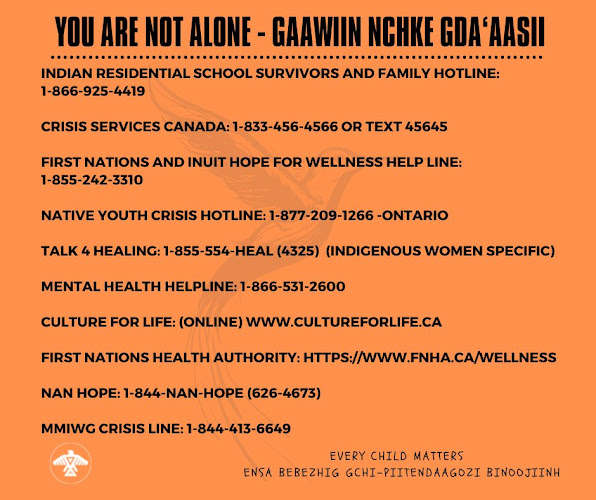
You are not alone


click photo
Lost Birds on Al Jazeera Fault Lines

click to read and listen about Trace, Diane, Julie and Suzie

NO MORE STOLEN SISTERS

click image

Subscribe To


 Posts
All Comments
Posts
All Comments