


As Lacrosse Ascends, a Reckoning With Its Past
In Canada, horrid discoveries have forced a humbling conversation about the sport's role in “cultural genocide” against Indigenous peoples.
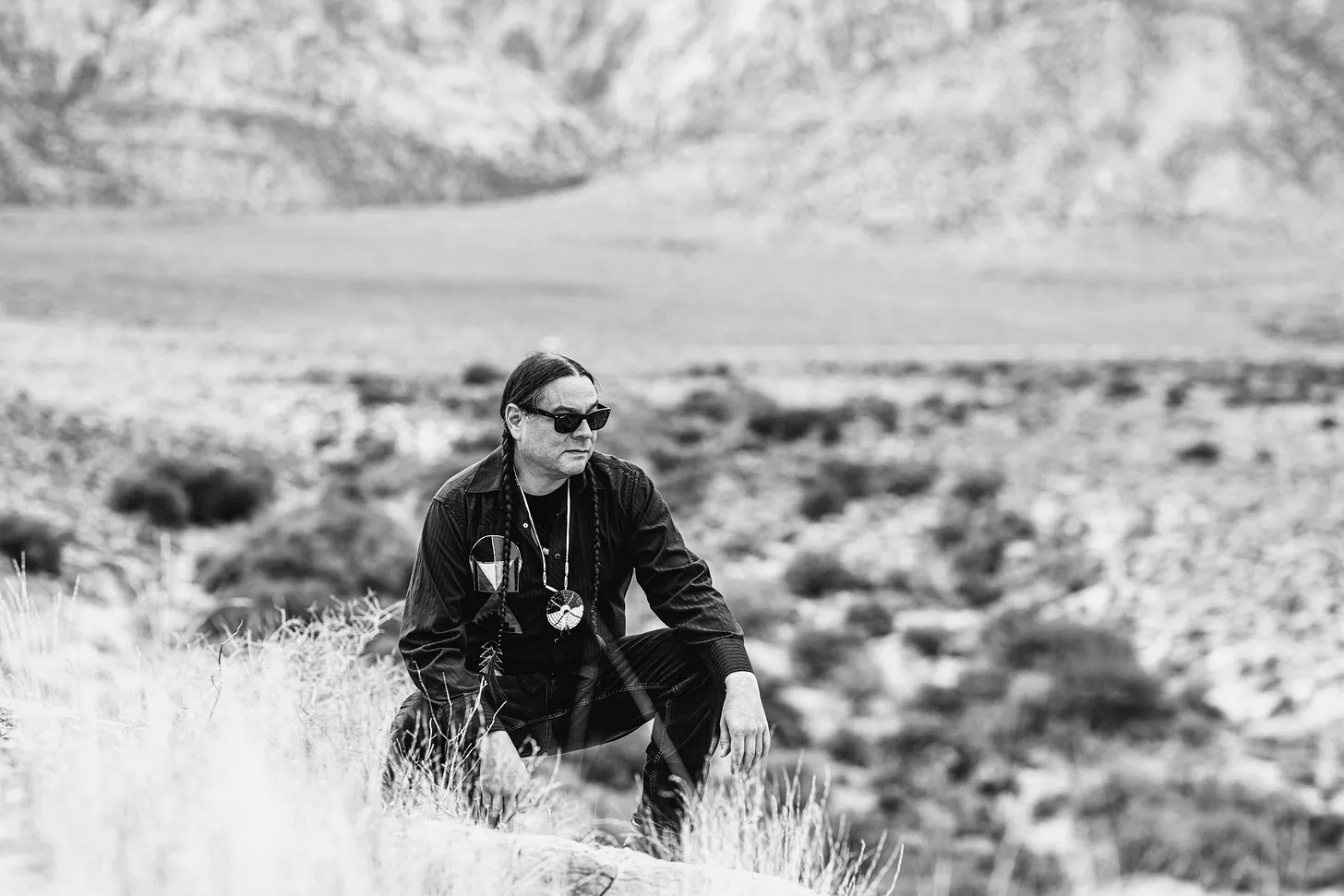
On June 12, in the second week of the Premier Lacrosse League season, one of the greatest players of the game’s modern era darted around Fifth Third Bank Stadium in Atlanta, just as he has done so often across his seven-year career. Cannons attackman Lyle Thompson fired home four goals, all from a variety of angles, on a PLL-season-high 14 shots—and while, yes, the Whipsnakes threw everything they had at him on defense, Thompson found himself weighed down less that afternoon by the body checks and poke checks than he was by the orange ribbon weaved through the bottom of his long, black braid. And by all that it represented.
Thompson, a member of the Onondaga Nation, took the field in Atlanta grieving 200-plus Indigenous children whose unmarked graves had been discovered a month earlier at the site of what was once the Kamloops Indian Residential School in British Columbia. By wearing the ribbon he aimed to channel his sporting spirit toward those who’d gone without a proper burial, and who’d never been acknowledged. And that energy, he says, “played a toll on my body. It played a toll on my mind.”

Kevin D. Liles/Sports Illustrated
Canada’s so-called residential schools first opened in the late 19th century, and as recently as the late 1990s they remained a place where Indigenous youths—more than 150,000 of them, some as young as 3—were taken to be culturally indoctrinated. So far, 139 such institutions have been identified, the majority of them run by the Catholic Church, and there Indigenous children were systematically stripped of their Native culture, language and spirit.
In 2015, Canada’s Truth and Reconciliation Committee produced a report alleging that children in those schools faced sexual, physical and emotional abuse and violence. They lived in unsanitary, cramped quarters and were often underfed. At least 4,100 students died, the committee estimated—but that number is likely higher given the spotty record keeping of the time. This summer alone, Indigenous nations released reports of some 1,300 unmarked graves found across the country, at Kamloops and at three other sites—and these recent findings have sparked an intense response, as an increased awareness of Canada’s often-exploitive past has forced a reckoning. (The United States is not innocent of such mass mistreatment, having opened 350-plus similar boarding schools, operated with a similar purpose.)
For Thompson, and other allies across the PLL, that reckoning is focused largely on the ways in which their sport was leveraged in what the committee called “cultural genocide.”
Lacrosse, a game invented some 1,000 years ago by Native peoples, became an assimilative tool used at residential schools—“which is extraordinary,” says Allan Downey, an associate professor at McMaster University in Hamilton, Ontario, and the author of The Creator’s Game, which explores Indigenous identify formation as it relates to the sport. “They [used] an Indigenous element—an Indigenous game that has deep connections to the epistemologies of Indigenous peoples—and they [used] it to assimilate Indigenous youth.”
Throughout the PLL season, to draw awareness to the subject and inspire education, Thompson and other players wore—and the league sold—orange helmet chinstraps, with proceeds going to the National Native American Boarding School Healing Coalition. Indigenous players emphasize that acknowledging lacrosse’s origins is key to the future of a game that today is widely perceived as white and upper-middle-class. “Our ancestors, they deserve the recognition,” says Zed Williams, who grew up on the Cattaraugus Reservation, just south of Buffalo, and who will lead the Whipsnakes into the PLL championship game against the Chaos this Sunday. “They deserve the voice they never had.”
“Right now,” says Thompson, “our ghosts—our ancestors—aren’t even being learned.”







 Posts
Posts

