BOOZHOO! We've amassed tons of information and important history on this blog since 2010. If you have a keyword, use the search box below. Also check out the reference section above. If you have a question or need help searching, use the contact form at the bottom of the blog.
We want you to use BOOKSHOP to buy books! (the editor will earn a small amount of money or commission. (we thank you) (that is our disclaimer statement)
This is a blog. It is not a peer-reviewed journal, not a sponsored publication... WE DO NOT HAVE ADS or earn MONEY from this website. The ideas, news and thoughts posted are sourced… or written by the editor or contributors.
EMAIL ME: tracelara@pm.me (outlook email is gone)
THANK YOU CHI MEGWETCH!
Tammy
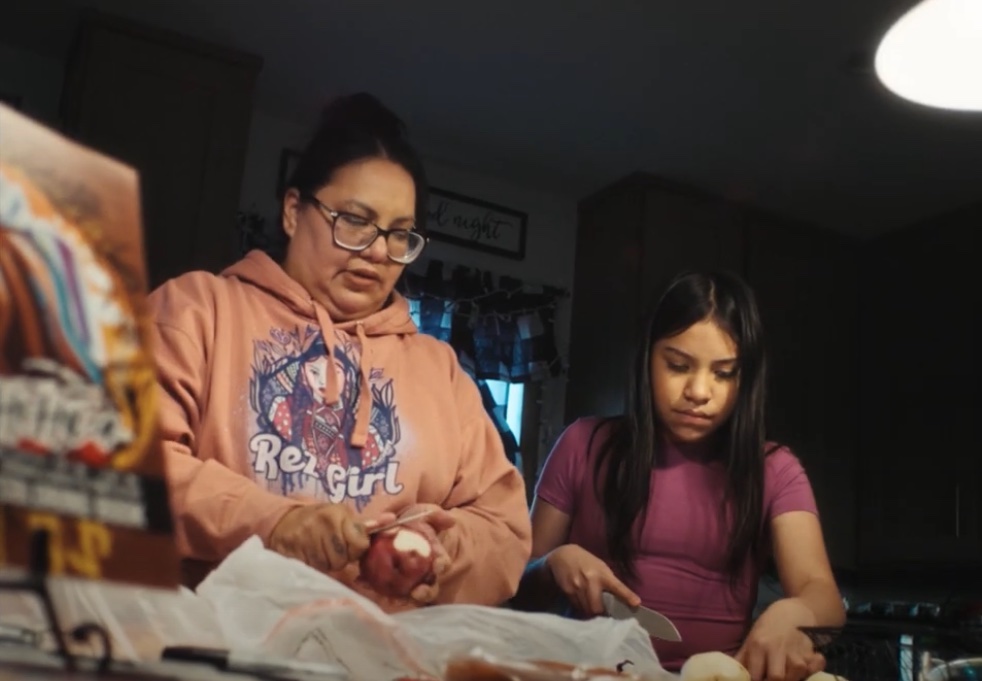
Granados never imagined she’d own a home on her reservation — let alone
become the face of a national docu-series on Native housing solutions.
Facing a rent increase that threatened to displace her and four
children from a two-bedroom apartment, the enrolled member of the
Cheyenne River Sioux tribe connected with a Native community development
financial institution (CDFI) that helped her navigate the complex world
of mortgages on trust land. Now, her path from housing crisis to
homeownership takes center stage in an episode of “From Hope to Home,”
a three-part docu-series funded by the Robert Wood Johnson Foundation
that aims to address the massive homeownership gap between Native
Americans and other ethnic groups.
The seven-minute video, produced in partnership with Eagle, Butte, S.D.-based Four Bands Community Fund, tackles head-on what experts identify as the primary obstacle to Native homeownership: financial literacy.
“I remember playing Monopoly with my family as a child, and when
mortgages came up, I’d ask my parents what they were and they couldn’t
explain them,” Four Bands Executive Director Lakota Vogel told Tribal Business News.
“It’s not about whether or not people have perfect credit or their
ability to handle the mortgage — it’s that a lot of us don’t know what
they are, and we need to change that.”
Hey readers! It's Trace, your editor. I started this blog/website in 2010 to help adoptees like me navigate the waters and terrors of c...
Bookshop
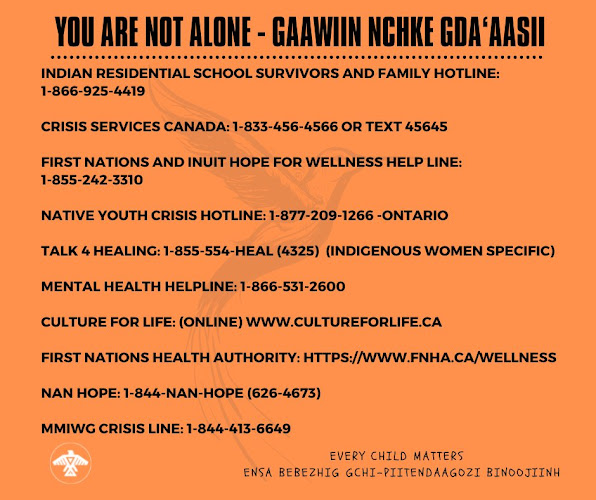
You are not alone
To Veronica Brown
Veronica, we adult adoptees are thinking of you today and every day. We will be here when you need us. Your journey in the adopted life has begun, nothing can revoke that now, the damage cannot be undone. Be courageous, you have what no adoptee before you has had; a strong group of adult adoptees who know your story, who are behind you and will always be so.
Diane Tells His Name
click photo
Lost Birds on Al Jazeera Fault Lines
click to read and listen about Trace, Diane, Julie and Suzie
NO MORE STOLEN SISTERS
click image
We conclude this series & continue the conversation by naming that adoption is genocide. This naming refers to the process of genocide that breaks kinship ties through adoption & other forms of family separation & policing 🧵#NAAM2022#AdoptionIsTraumaAND#AdopteeTwitter#FFY 1/6 pic.twitter.com/46v0mWISZ1
As the single largest unregulated industry in the United States, adoption is viewed as a benevolent action that results in the formation of “forever families.” The truth is that it is a very lucrative business with a known sales pitch. With profits last estimated at over $1.44 billion dollars a year, mothers who consider adoption for their babies need to be very aware that all of this promotion clouds the facts and only though independent research can they get an accurate account of what life might be like for both them and their child after signing the adoption paperwork.









 Posts

