


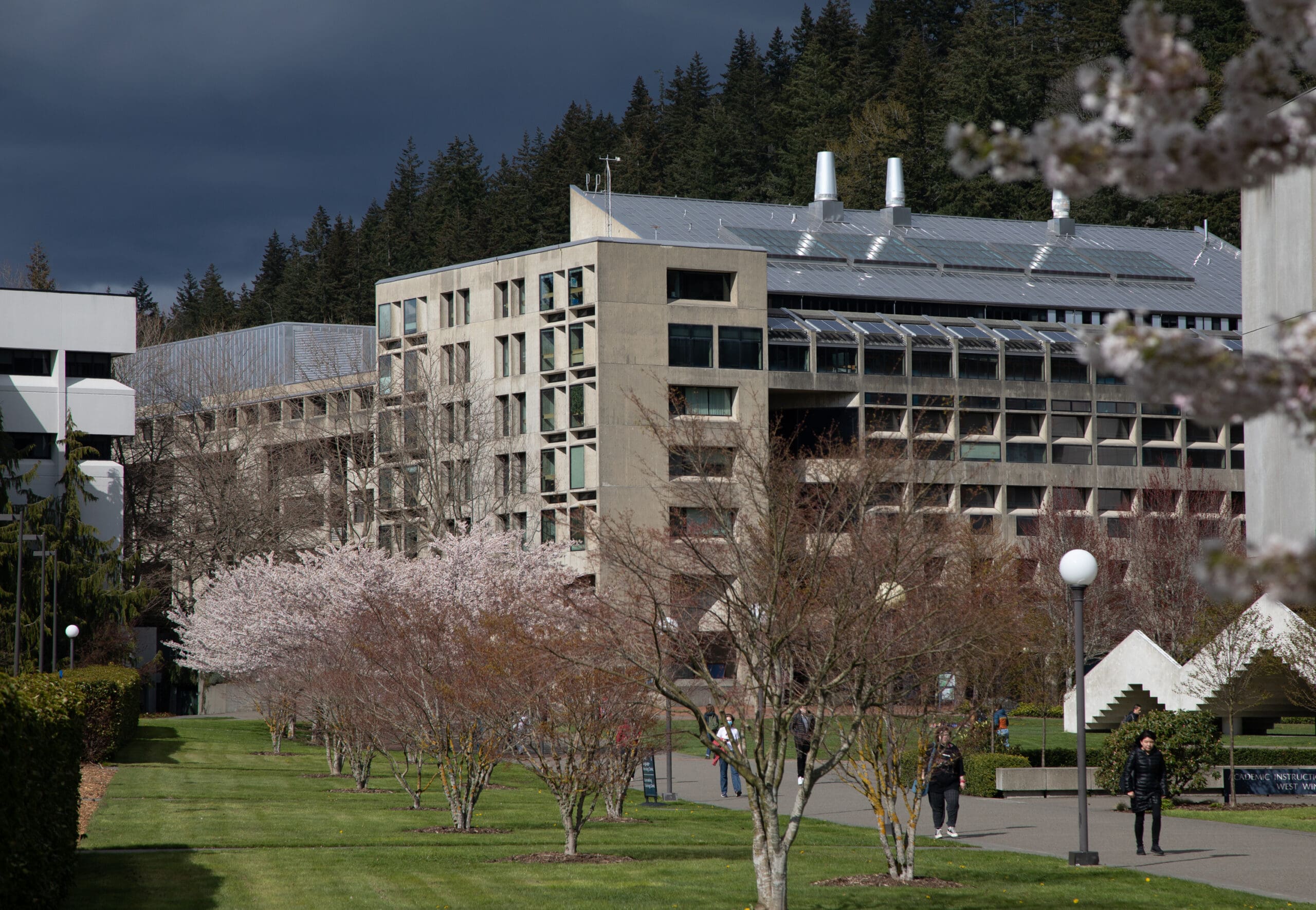
Repatriation does not mean those items have been physically returned to the Indigenous communities they belong to, explained Alyson Rollins of Western. Rather it means, legally, those items are “no longer in our control, but they’re still in our care.” Tribes can pick up the remains and artifacts at any time.
A database released by ProPublica in January 2023 prompted a nationwide look into the more than 600 institutions that possess remains, including Western. Institutions that receive federal funding have been required since 1990 to return “cultural items” and remains to American Indian Tribes, Alaska Native villages and Native Hawaiian organizations, after the passage of the Native American Graves Protection and Repatriation Act (NAGPRA).
Western has repatriated artifacts since before NAGPRA, but committed in 2023 to accelerating its efforts.
The university is in possession of 63 culturally affiliated remains — 41 of those have been repatriated. Another 18 remains have unidentified tribal affiliations, meaning Western must work with 34 Native American tribes and Canadian First Nations to determine where they belong.
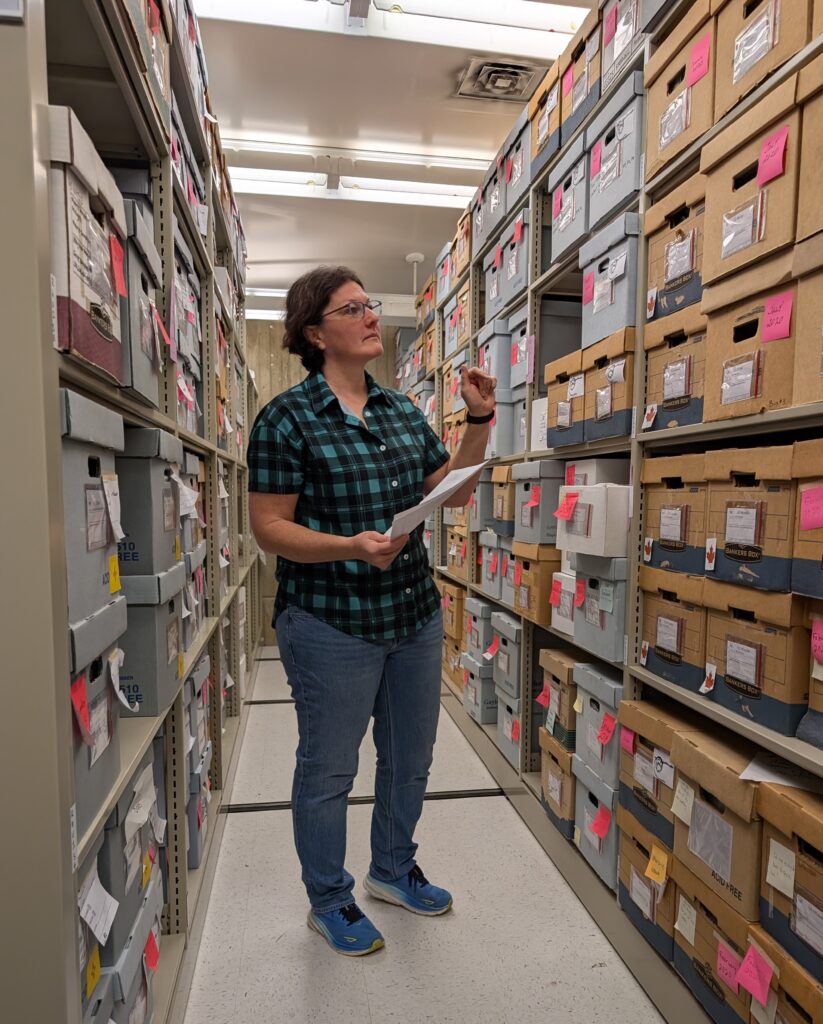
Five remains have been physically transferred to ancestral communities. Rollins, who is the new NAGPRA program and collections manager at Western, said the university is still storing the rest for various reasons. For example, a tribe may have requested the university hold the items until members can pick them up.
Tribes are not bound by federal deadlines like institutions are, NAGPRA Advisory Committee Chair Judith Pine said. Communities can decide for themselves when to physically retrieve the remains and artifacts.
Pine said Western is “standing by to facilitate and assist.” Pine and Rollins describe the university’s relationship with local tribes as “long-standing” and positive.
Western returned three ancestral remains to the Swinomish Indian Tribal Community, Josephine Jefferson, the Swinomish Tribe’s historic preservation officer told CDN in a January email. She said they’re now being taken care of by the tribe’s “spiritual people and elders.”
“This is where they belong,” Jefferson told CDN in 2023. “They don’t belong in a science lab. They don’t belong in a museum to be looked at. And they don’t need to be studied, because we are human, we are people, and we’re the first peoples of this land.”








 Posts
Posts

