


 |
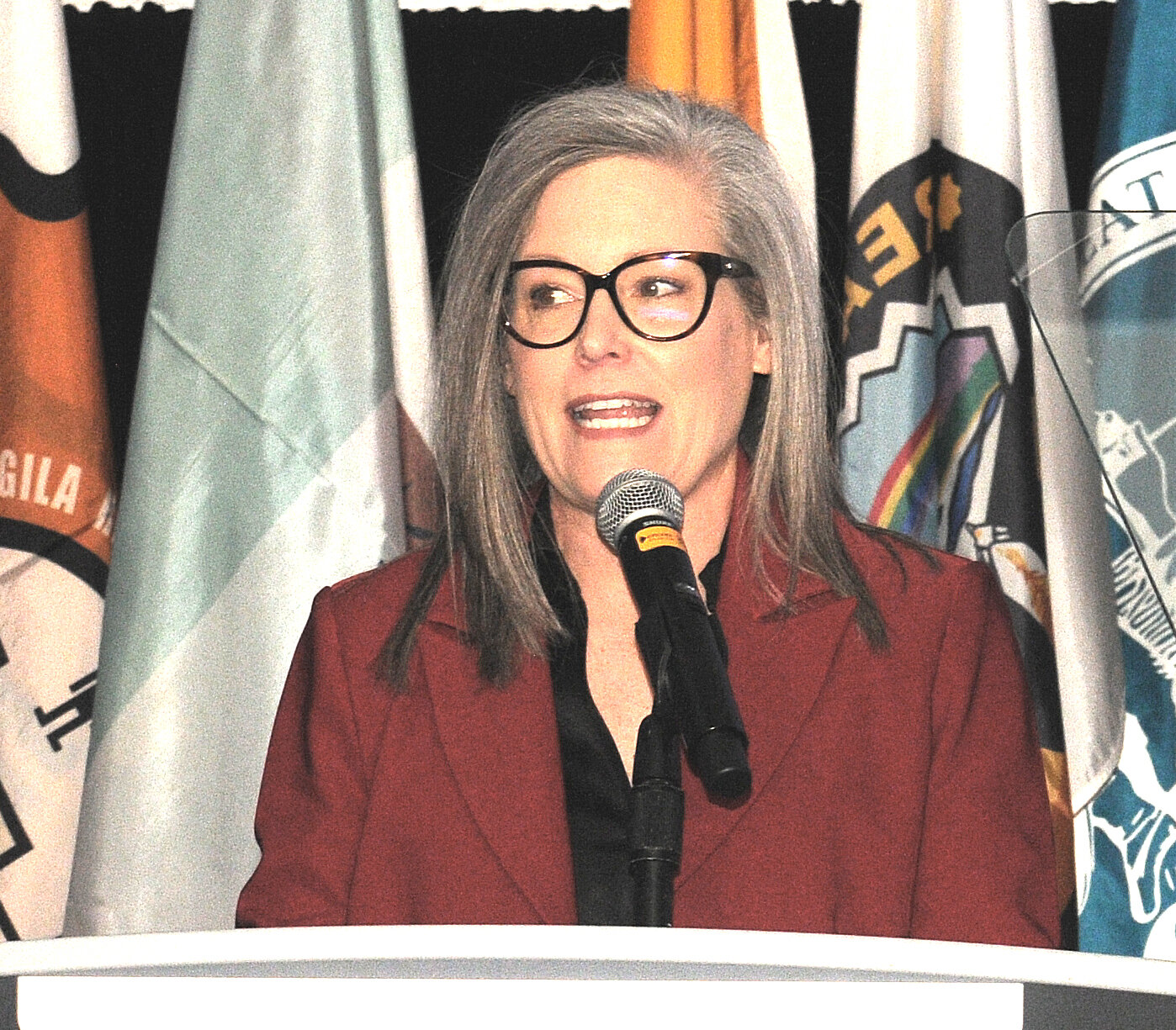
| Gov. Katie Hobbs addresses the Inter Tribal Association of Arizona on Wednesday. (Capitol Media Services/Howard Fischer) |
PHOENIX — Saying the process is too slow, Gov. Katie Hobbs said Wednesday she wants $7 million to speed up the repatriation of Native American human remains and artifacts.
In an address to tribal leaders Wednesday, Hobbs said the collection at the Arizona State Museum has continued to grow. The governor said that is hampered because there has been “no significant financial investment from the state.”
“It is time for that to change,” she said. “It is time for the state to take repatriation seriously.”
Stephen Roe Lewis, governor of the Gila River Indian Community, said he is glad the governor is asking lawmakers to help finance the effort.
But Lewis told Capitol Media Services the problem is not strictly financial.
“From what I’m hearing from certain tribal repatriation specialists, a lot of these institutions are not wanting to, or are dragging their feet to be in accordance with the federal law,” he said. Lewis said there needs to be a focus on those, though he said specifically said he will not call them “bad actors.”
“This shines a light on it,” he said.
Lewis stressed the money should help. But he said the focus by the governor will “make sure that this pushes these institutions along, that they’re under the microscope, at least in the state of Arizona.”
The governor’s request for more dollars drew support from Jim Watson, the acting director of the Arizona State Museum at the University of Arizona. He said it has about 4,000 human remains that have yet to be repatriated and “maybe 800,000 objects.”
“We’re an old, large museum and there’s a lot of material here,” Watson said, with some of the items going back to the 1920s.
He said money will help.
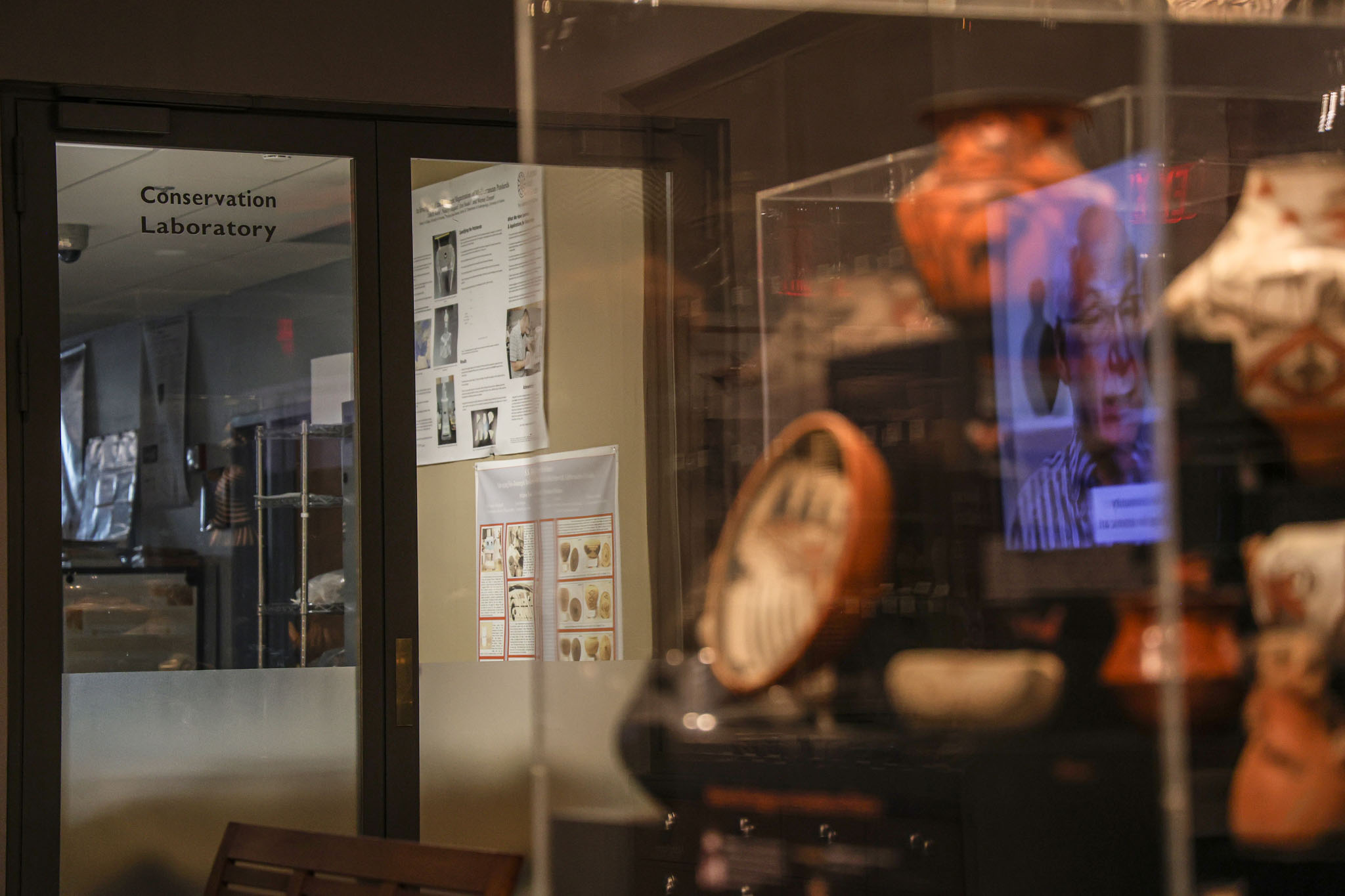
It starts, said Watson, with the fact that the building is 100 years old with limited space. And that, said Watson, has hampered the ability of staffers to do the necessary research.
It’s even more complex than that.
He said the federal Native American Graves Protection and Repatriation Act requires institutions that receive federal money have to facilitate the return of human remains and eligible other items. To do that, Watson said, they have to be brought out of storage, put them together in what he called “appropriate housing,” and either bring them to the affected tribe or have tribal officials come to the museum to take the remains.
He said a request for funding was made directly to the Arizona Board of Regents last year to at least fund some of the maintenance that has not been done over the years.
“They tabled it,” Watson said, with board members saying this is something that should be funded by the Legislature. And, so far, there has been no money forthcoming from the Capitol even though the facility was closed in August for anticipated maintenance.
“We’ve sort of been in limbo,” he said. Watson said the governor’s Wednesday announcement she will seek more funds came as a welcome surprise.
But even if there were more up-to-date space, he said that by itself won’t solve the problem.
“It takes awhile to pore through the archives and the objects and, in some cases, human remains to be able to identify all of repatriation-eligible items and individuals that we have,” Watson said. That, too, he said, is a function of not having enough money to hire more staff.








 Posts
Posts

