They Took Us Away

They Took Us Away
click image to see more and read more

it's free

click

How to Use this Blog

BOOZHOO! We've amassed tons of information and important history on this blog since 2010. If you have a keyword, use the search box below. Also check out the reference section above. If you have a question or need help searching, use the contact form at the bottom of the blog.


We want you to use BOOKSHOP to buy books! (the editor will earn a small amount of money or commission. (we thank you) (that is our disclaimer statement)

This is a blog. It is not a peer-reviewed journal, not a sponsored publication... WE DO NOT HAVE ADS or earn MONEY from this website. The ideas, news and thoughts posted are sourced… or written by the editor or contributors.

EMAIL ME: tracelara@pm.me (outlook email is gone) THANK YOU CHI MEGWETCH!

SEARCH

Showing posts with label Reservation Dogs. Show all posts

Tuesday, October 15, 2024

Native-led movies and TV shows positively affect viewers, study shows

Michelle Thrush as Akura in Hulu's "Prey" / Photo from the movie

Commentary by Matthew Kincanon | FāVS News 10-9-2024

Back in August, IllumiNative released a study that described how Native-led shows like “Reservation Dogs” and “Rutherford Falls” had a positive effect on viewers, showing that Native-led projects are not only in-demand but are proving to be educational and impactful. 

The positive impact of authentic Native-led projects

According to the study, viewers who watched the aforementioned Native-led shows were more likely to agree with policies that support and center Indigenous voices, such as the government upholding treaty and trust responsibilities and the Indian Child Welfare Act (ICWA).  Also, watching Native-led shows was associated with knowledge of and beliefs about Native communities. And shows with Native talent in front and behind the camera were received better by audiences. 

I was ecstatic to see these results because it further proves that Indigenous media’s recent momentum is dispelling stereotypes that have plagued Indigenous representation in TV and film and is encouraging viewers to learn more about and support Tribal Nations. 
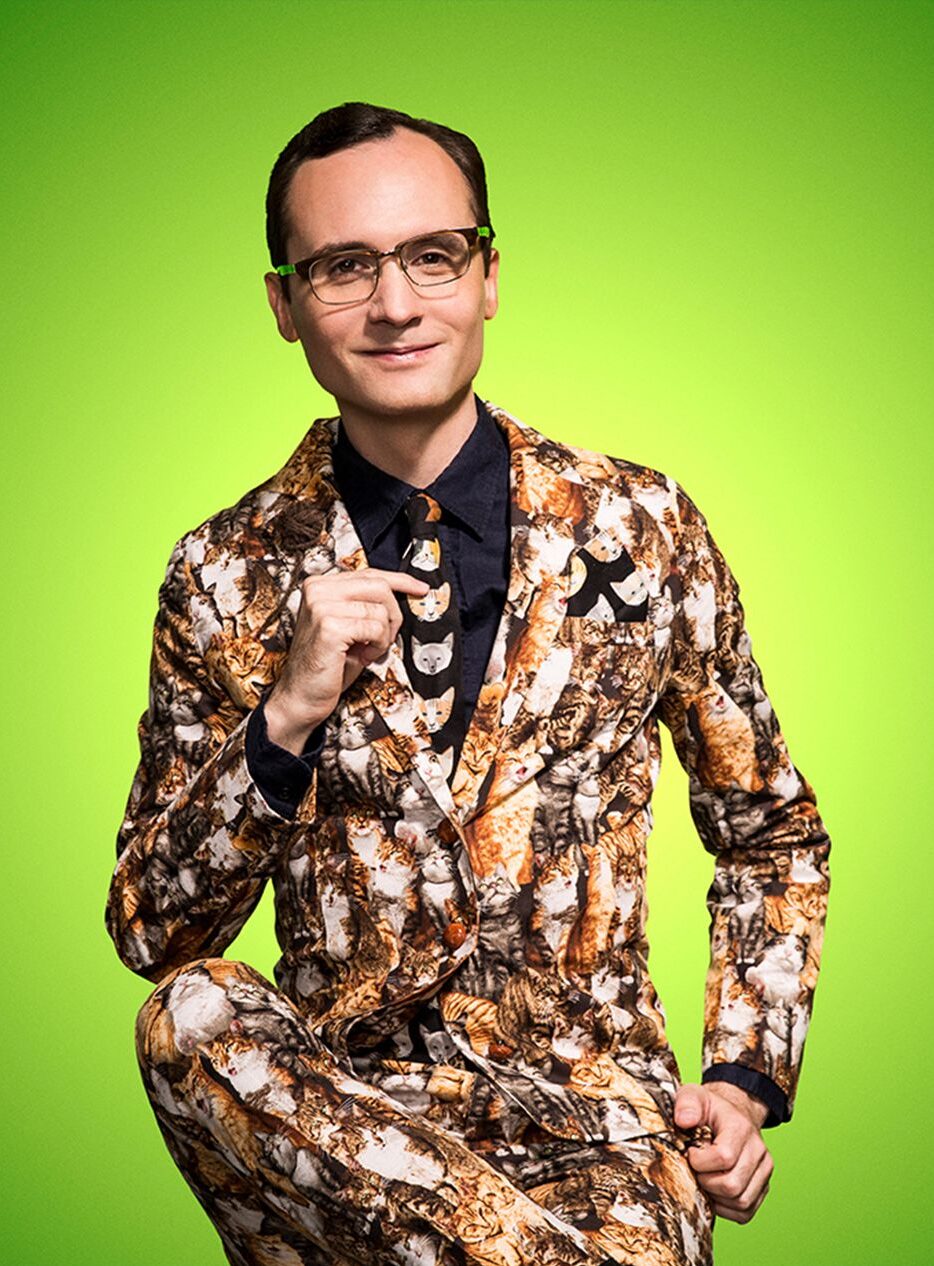
Joey Clift / (www.joeyclift.com)

Not only that, I also wanted to see what Native creatives in my network thought about the study, too. 

Joey Clift (citizen of the Cowlitz Tribe), an Emmy-nominated writer and producer who worked on Netflix’s “Spirit Ranger” and PBS’s “Molly of Denali,” said the research put into data what a lot of Native creatives had suspected for years. 

That “authentic Native stories are important in media, and, outside of making for great television and films, they also help educate non-Native viewers about our experiences while also giving Native viewers pride and the ability to believe that we belong in mainstream spaces.”

Americans’ appetite for Indigenous stories

As I covered in an article earlier this year about Indigenous filmmaking, a majority of Americans have an appetite for Indigenous stories, and this study shows they are learning a lot from and connecting with what they are consuming. 

JaNae Collins (enrolled citizen of the Fort Peck Assiniboine and Sioux Tribes and half Crow Tribe), who played Cookie in “Reservation Dogs” and Reta in “Killers of the Flower Moon,” said she has received a lot of feedback about her character Cookie and how viewers connected with her. 
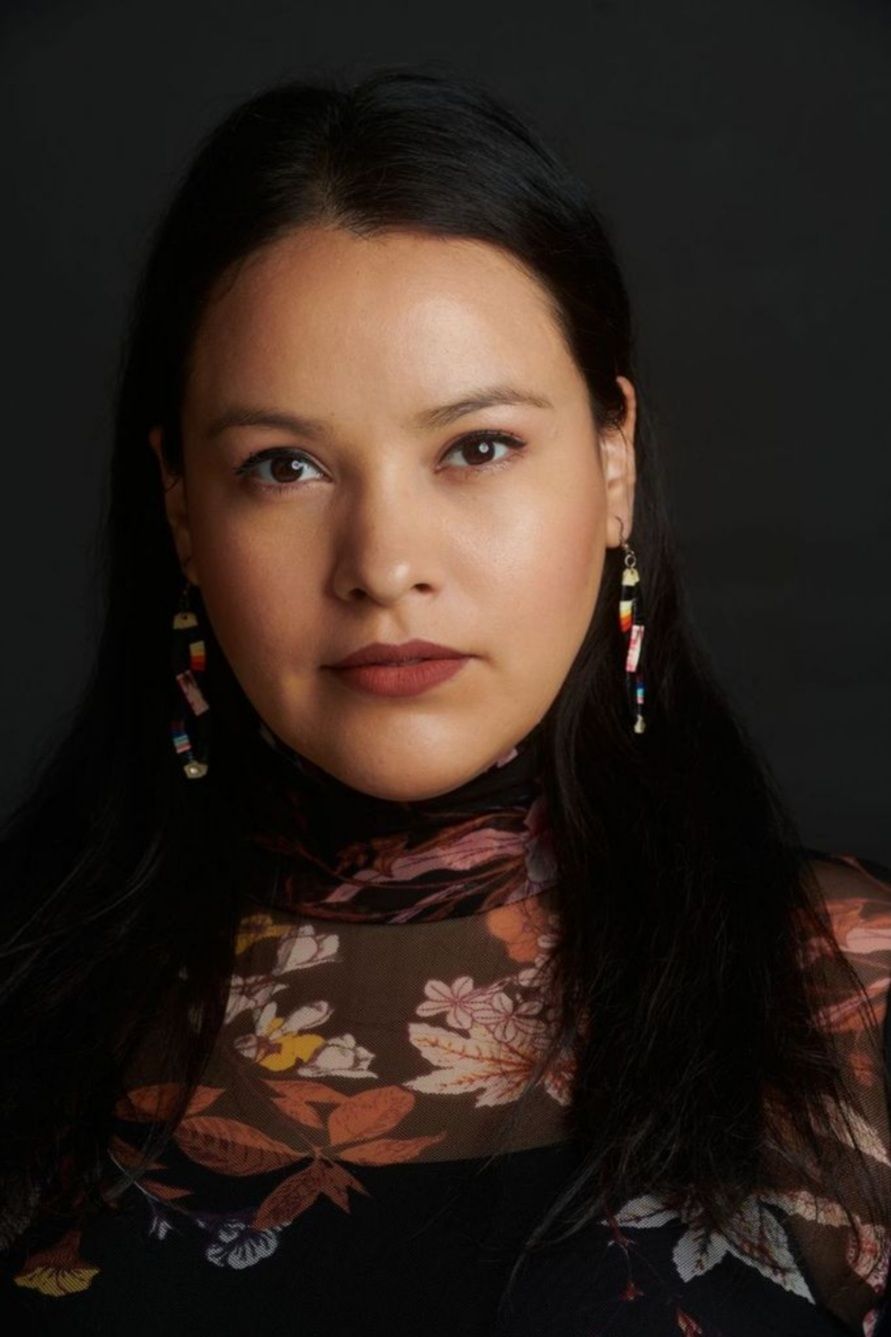
Janae Collins / Imdb.com pic

“I think she connected emotionally to a large amount of people, as many of us have felt the loss of a loved one that went on too soon and didn’t get to see their children, nieces and nephews grow up,” Collins said. 

When it comes to the show, Collins said she loved how everything is connected, has great replay value and the intricacies of the stories are all heartbreakingly beautiful. 

“I absolutely love the series as a viewer, getting invested in the characters and their feelings, goals, vulnerabilities, resiliency, and humor,” she said. “Getting to work on it as Cookie made me see the true dedication and love each and every person on set had for each other and the story. It was truly life changing and one of the fondest memories of my life.” 

Unapologetically Native

Clift expressed great admiration for both TV shows as well and loved how relatable and unapologetically Native they are.

“Growing up on a reservation and being connected with so many Native folks in my life, there are a lot of archetypes and stories I see day to day that I’ve never seen represented on screen,” he said. “It’s refreshing to see television shows feature characters like Deer Woman, trash-talking Aunties and Native kids obsessed with Native street fashion. I relate to it, and feel represented by it in a way that I haven’t previously felt represented in television, and it’s a great feeling!” 

He added that the shows he worked on, “Spirit Rangers” and “Molly of Denali,” have brought Native adults and elders to tears because they never thought they would see Native youth represented on screen in an authentic way. He also heard stories about how these two shows helped educate non-Native kids and adults about Native issues. 

Studios should take notice and invest

This impact is all the more reason why studios should keep investing in Native-led projects because these are more than just entertainment. These projects are undoing centuries of wrongs and giving Native creatives the platforms they need to share their stories, connect with Native viewers for generations to come and have all future representations of Indigenous communities be based on a foundation of truth and authenticity rather than stereotypes and whitewashed history. 

“Studios should take notice that when they do hire Natives to do the job, the hype starts for an entire demographic of people. It’s marketing on its own!” Collins said. “When projects with Native subject matter fail to hire Natives in decision making positions, it falls flat and doesn’t get the same hype or gets negative blowback from Indian Country, financially fails and falls into the category of the ‘See! Native content doesn’t make money’ excuse.” 

Hiring Natives does impact the projects directly, she described. When they are done correctly, she said Indian Country can and does support them. 

She said the IllumiNative study is important because studios and execs need to see that and take it into consideration when developing Native subject matter both fiction and non-fiction. 

“Bottom line, Natives at the helm connect and educate and the study provides empirical evidence for that,” she said. 

Access to a variety of content

In the last five years, there has been a boom of Indigenous content and streaming gives us that access. Netflix, Hulu, Disney+, Paramount+, AppleTV+, Peacock, Shudder and even The Criterion Channel all have Indigenous content ready for us to dive into. 

Not only that, there’s been an effort to create Indigenous dubs of movies and shows. These include “Prey,” “Echo,” “Finding Nemo,” “Toy Story,” “The Avengers,” “Moana,” “Frozen 2” and “Coco.” These dubs show a large demand for stories told in Indigenous languages and warrant the time, money and effort to hire Indigenous speakers and actors to create these. 

Because of the cornucopia of authentic content, Indigenous movies and shows exist for everyone alongside comedies like “Reservation Dogs” and “Rutherford Falls.” Enjoy mystery? You can watch “Dark Winds.” Looking for a coming-of-age story? There’s “Frybread Face and Me” or “The Roof.” Want a drama movie that hits hard? AppleTV+ has “Fancy Dance.” Craving action? Pull up Marvel’s “Echo.” 

Into science fiction? Hulu has “Prey” and “Slash/Back.” Want a bio pic? There’s “The Cherokee Word for Water.” Are you looking for something you can watch with your kids? “Spirit Rangers” and “Molly of Denali” are great choices. There is so much content now that it’s hard to pick where to start. 

“If you want to see Native stories in the media and you’re a fan of any particular genre, there’s a recent project for you,” Clift said. 

Native-led projects in the future

Collins has high hopes for what is to come. In this era of Native filmmaking, she said creators are at the helm with a beautiful sense of self, community, spirituality, humor and commitment to their people.

“I think, at this point, the biggest problem so far is the funding going into our projects. So many can’t move forward because of this,” she said. “I hope that changes and more opportunities arise for our existing Native writers, showrunners, directors, producers and actors as well as the up and coming generations.”

While she understands the film industry is tough and funding is extremely competitive, she said they’ve established that Native-led projects can and will make a large impact and that their filmmakers and writers are more than capable of tackling any subject matter pertaining to them and their people. 

“More trust from the studios to tell our own stories and to back them with funding equals more stories told and the bigger impact we will have on society to continue to show that we are still here,” Collins said. 

There are people in this country who still think Natives are extinct. But as Collins, Clift and a majority of my Indigenous friends and network have told me over the years, they are still here. The more Native-led movies and series that are created and promoted, the more progress can be made in ensuring no one believes that anymore.

Native-led recommendations of Native movies and shows

Collins recommends people watch Native-led movies and shows such as “Mekko,” “On The Ice,” “Blackstone,” “Mohawk Girls,” “Slash/Back,” “Rhymes for Young Ghouls,” “Blood Quantum” and “Atanarjuat.” She added that she was excited about Netflix’s sports drama “Rez Ball” and a particular episode of “Welcome to Derry.” 

Clift also recommended “Rez Ball,” as well as “Frybread Face and Me,” “Hey, Viktor!” and “Fancy Dance.” 

He said he is extremely excited to see what their current crop of Native creatives do next. He said members of the “Reservation Dogs” and “Rutherford Falls” teams are going to work on their own projects, and Lily Gladstone is working on several movies. 

“These are all people who are now vetted within the Hollywood system and I can’t wait to see where they all spider web off to,” he said. 

Currently, Clift is working on a dream project. It’s an animated, comedy short film called “Pow!” about a young Native kid trying to find a place to charge his video game console at a powwow. 

Collins said she is getting back into auditioning after taking a break these past few months. 

Watch and learn

I’ve been following this Indigenous media movement for several years now and even have a section in my collection of over 1,000 DVDs dedicated to Indigenous content. Before, I could keep track of new projects easily, but now I’m having a hard time keeping up. I’m seeing so many posts about new ones being in development. It’s a very good problem for me to have, and, at this rate, I’m gonna have to find more shelf space. 

We don’t often get opportunities to be part of movements that change history and society. To some, these are just movies and TV shows with good writing, actors and production values. But what they really are is an opportunity for us to learn about Indigenous cultures and real history, denounce all the myths we may have about Natives and support a whole community of talented artists who have a lot to offer and a bunch of stories to share. 

As shown in the study, watching Native-led movies and shows is making us into better people, and we can be part of that positive change IllumiNative detailed in their work from our living rooms. 

All we have to do is sit, watch and learn.


The views expressed in this opinion column are those of the author. They do not necessarily reflect the views of FāVS News. FāVS News values diverse perspectives and thoughtful analysis on matters of faith and spirituality.

Matthew Kincanon

Matthew Kincanon is a communications coordinator with a journalism and political science degree from Gonzaga University. His journalism experience includes the Gonzaga Bulletin, The Spokesman-Review, Art Chowder, Trending Northwest, Religion Unplugged and FāVS News. He loves being a freelancer for FāVS because, having been born and raised in Spokane, he wants to learn more about the various religious communities and cultures in his hometown, especially Indigenous communities.

Thursday, August 29, 2024

A new beginning for Native representation on TV

 Their Shows Might Be Over, but They’re Just Getting Started

Historic Emmy nominees Lily Gladstone, Kali Reis, Sterlin Harjo, and D’Pharaoh Woon-A-Tai all see their celebrated shows ending as a new beginning for Native representation on TV.

By Marcus Jones August 24, 2024  


'Reservation Dogs,' 'True Detective: Night Country,' 'Under the Bridge'

FX/HBO/Hulu

However exciting it was for Lily Gladstone to receive her own first Emmy nomination for her work in the Hulu series “Under the Bridge,” the more meaningful aspect of her Outstanding Supporting Actress in a Limited or Anthology Series or Movie nod was seeing “True Detective: Night Country” breakout Kali Reis be honored as well. “I love that I’m not alone in this category. Having just had a bunch of first time historical monikers applied to me, there’s something that’s very lonely about that,” the recent Oscar nominee told IndieWire over Zoom. “So it’s great to carry that with another actress who turned in just this stellar performance, and then just represents a whole other aspect of how diverse and how important it is to highlight how diverse Indian country is.” 


The conclusion of “True Detective: Night Country,” highlighting some of its Native actors that had mostly stayed in the background, was a twist the star did not see coming, but thoroughly appreciated. “Coming from the Native community, the nosy-ass aunties know everything. They know everything. If you want to know the tea, go to Auntie’s house,” said Reis. “Also on a serious note, the invisibility, the very thing that is something that we ‘are’ or people look at us or don’t look at Native people, especially Native women, as invisible, that invisibility is the very thing that was a superpower.” It reflected the ways in which indigenous organizations have to take finding answers for missing and murdered indigenous women into their own hands in a way Gladstone also found “invigorating.” 


KEEP READING:

https://www.indiewire.com/awards/consider-this/native-representation-emmys-lily-gladstone-reservation-dogs-kali-reis-1235039649/

Tuesday, July 30, 2024

Die Bread (The History of Fry Bread)


Via Metropolitan Books

“Weapons of Health Destruction…” How Colonialism Created the Modern Native American Diet

Andrea Freeman on the Impact of Systematic Oppression on Indigenous Cuisine in the United States

By Andrea Freeman


July 24, 2024

Frybread, sometimes called “die bread” or a “weapon of health destruction,” has multiple origin stories, and they all involve oppression and perseverance.  In one rendition, the federal government’s Indian agents in charge of providing rations stored flour carelessly, allowing weevil larvae to infest it.  No other food was available, so Indigenous cooks fried the flour in hot lard to kill the larvae.  With this stroke of genius, they salvaged the flour and created the first frybread.

Another tale locates frybread’s birthplace on Fort Sumner’s Pecos River, where US soldiers incarcerated Navajos and Apaches after a military campaign.  Army officers gave the captives sparse supplies of flour and salt and iron pots.  Charged with creating something edible, Navajo women kneaded the flour into dough balls, flattened them, then deep-fried them in animal fat.  The prisoners enjoyed the dish so much that even after leaving Fort Sumner and returning home, they continued to cook and eat it.

Modern frybread is still made from simple ingredients: flour, baking powder, salt, and sometimes sugar, fried in shortening, lard, or oil.  It is a versatile food that can be sweet or savory, perfect as the base of a taco, a filling breakfast, or a snack.  When served sweet, it often has cinnamon and sugar sprinkled on top and comes with jam. A savory version might have pizza toppings.

Frybread…has multiple origin stories, and they all involve oppression and perseverance.

T-shirts celebrating frybread abound: “Frybread Feels,” “Got Frybread?,” “Frybread Power,” “Frybread Is My Soulmate,” “I Was Told There Would Be Frybread,” “It’s All About the Frybread.” In “Commod Bods and Frybread Power,” scholar Dana Vantrease explains that these popular T-shirts help Indigenous people find each other in environments where wearing traditional regalia is no longer common. A’aninin anthropologist George P. Horse Capture called frybread “a divine gift in exchange for hardships such as racism and disease that native people have endured.” In 2005, South Dakota declared frybread its official state bread. A 2012 mockumentary, More Than Frybread, comically portrays the cutthroat competition among Indigenous nations in an Arizona frybread championship.

Ojibwe rock artist Keith Secola’s song “Frybread” is a musical tribute to the beloved food.  In one version of the song, he associates frybread with Indian resistance. “They couldn’t keep the people down,” Secola explains, “because born to the people was a Frybread Messiah, who said ‘There’s not much you can do with sugar, flour, lard and salt.  You got to add something special, and that special ingredient is love.’” Secola serenades the unifying power of frybread: “A mile long frybread line / ’Cause we’re all the same inside / We need frybread all the time / All I’m asking for… frybread.”  

At the same time, Secola contends that “frybread has killed more Indians than the federal government.”

On the hit television show Reservation Dogs, the only series ever to feature all Indigenous writers, directors, and main cast members, the Indian Health Center invites rapper Punkin’ Lusty, played by real-life Mvskoke rapper Sten Joddi, to perform his hit song “Greasy Frybread.”  The occasion is Diabetes Awareness Month. Lusty raps,

Baby girl looking deadly (Yeah!)
Why she acting all Rezzy (Yeah!)
Hotter than a pan of frybread grease!
Have a Native hittin’ Powwow Beats!
Gotcha Auntie in the kitchen
Like no he didn’t
Got her Gramama’s skillet
Like she ’bout to kill it!

The song solidly locates frybread within Indigenous culture.

Sofkee [a corn drink or soup] on the burner
Hokte Hokte [woman] head turner
Water baking powder
Choppin’ up that white stuff
All purpose flour
Gotta mix it right up
Hit the Rez with the Shits
They eats it right up! Watch the grease pop
Watch her waist drop
She got that blue bird bag [Blue Bird flour comes in a twenty-pound cloth bag and claims to be “The Native American Frybread Secret”]
In her tank top
he got that white powder
All over everything
She gettin’ to bussin’ man
But we ain’t cousins man!
We from the same tribe
But a different clan
She my Rez Bunny
And I’m her Red Man
She love my Tattoos
And my two braids
Frybread money at the Creek Fest get paid! On that!”

Foregrounding this song in the Health Center’s battle against diabetes underscores the other side of frybread’s legacy, also emblazoned on a T-shirt that announces “Frybread: Creating Obesity Since 1860.” 

Cheyenne and Hudulgee Muscogee Indigenous rights activist Suzan Shown Harjo, who vowed to give up frybread as a New Year’s resolution, explains, “Frybread is emblematic of the long trails from home and freedom to confinement and rations. It’s the connecting dot between healthy children and obesity, hypertension, diabetes, dialysis, blindness, amputations and slow death.”  Reflecting on stereotypes that dehumanized Indigenous people to justify colonization, such as the worn-out trope of Indians drinking “firewater,” Harjo asserts that frybread love is another way to portray them as “simple-minded people who salute the little grease bread and get misty-eyed about it.”

In The Heartbeat of Wounded Knee, scholar David Treuer introduces health educator Chelsey Luger, who is Ojibwe and Lakota.  Chelsey talks to Indigenous communities about the perils of frybread as part of her efforts to steer their diets in new directions, even in the face of limited food options.  “Sometimes people get defensive, but we are able to make the conversation positive. We say we grew up with it and like it and we say frybread is not power. We say frybread kills our people. It’s that serious. It causes diabetes and heart disease. We have to look at those colonial foods as a kind of enemy.”

Frybread arouses passionate feelings in its fans and detractors.  Some people celebrate it as culinary artistry, some consume it as a comfort food, some curse it as a colonial byproduct, and some hold it up as a sign of ignorance or self-destruction. But everyone agrees that it is a far cry from the pre-colonial foods that nourished Indigenous people for centuries.

Corn is the centerpiece of Indigenous agriculture.  Because corn does not grow wild, its cultivation requires extensive knowledge and care.  Indigenous gardeners produced five different types of corn—sweet, dent, flour, flint (for hominy), and popcorn—and dozens of varieties within these types.  Processing corn is extremely labor intensive, requiring impressive strength.  One Indigenous woman reports beating corn until “our arms felt like they would break.”  Activist and environmentalist Winona LaDuke, a member of the Mississippi band Anishinaabeg, recounts her father’s comment when she was a student at Harvard: “I don’t want to hear your philosophy if you cannot grow corn.”

Before Columbus invaded the continent and began to export corn across the ocean, corn grew only in what we know today as the Americas.  Beginning in 1500 BC, the Huhugam people built canals that allowed them to grow the three sisters—corn, beans, and squash. Pre-colonization, many Indigenous nations relied on this trio for their primary sustenance.  The corn stalks act as a ladder for the pole or climbing beans while the squash leaves guard against the intrusion of other plants while also providing shade, protection, and moisture for the corn’s roots.  Eaten together, corn, beans, and squash form a complete protein, rich in vitamins and minerals.  The corn’s sweetness perfectly balances the beans’ heartiness and the squash’s lightness.

Later, between 1450 and 900 BC, the Huhugam built a complex irrigation system that allowed them to cultivate and then export surplus crops.  They supplemented the three sisters with desert foods—cholla cacti (famous for their ability to jump on people or animals passing by, stinging them with their spiky spines), prickly pear, mesquite (tree pods that make a sweet, nutty flour when ground), and dense tepary beans.

Frybread arouses passionate feelings in its fans and detractors…but everyone agrees that it is a far cry from the pre-colonial foods.

Some Indigenous cooks made bread out of persimmon seeds, while others combined poached and sifted corn, peanuts, and salt.  Chestnuts, acorns, bamboo vine, and greenbrier vine, crushed and fried in bear grease, also made good bread.  These breads were high in protein, dense, and flavorful.  They also helped prevent disease. The Hopi technique of mixing ashes with cornmeal, common across Indigenous nations, protected against pellagra, a disease caused by a vitamin B3 (niacin) deficiency, which later tormented both Europeans and enslaved people whose primary food source was corn.

Bison, or buffalo, were also essential to the diets and culture of Plains Indians—over thirty nations that include the Cheyenne, Arapaho, Sioux, Pawnee, Osage, Navajo, Comanche, and Apache.  Being native to the northern and southern plains, bison traveled east with Indigenous people who used fire to transform forests into fallows that resembled the creatures’ natural habitats.  When settlers saw these paths, their untrained eyes registered only burned-out waste areas. They missed the carefully plotted trails that spread a vital food source across the land and later, they slaughtered the bison to near extinction as a military and political tactic.  In addition to bison, Indigenous people ate alligators, bears, beavers, caribou, deer, moose, elk, fish, geese, turtles, seals, shellfish, and whales.

Cherries, raspberries, strawberries, blackberries, potatoes, pecans, peanuts, peppers, black walnuts, acorns, hickory nuts, chestnuts, and cacao were staples of Indigenous diets. Black walnuts have more antioxidants than English walnuts, making them popular foods in the fight to reduce the risk of cancer, heart disease, and diabetes. Hickory nuts are hard-shelled, dense, and sweet.  These traditional diets, consisting mainly of proteins, fruits, and vegetables, sustained health and strength.

Almost immediately upon arriving on the continent, settlers seized Indigenous trade networks, cutting off their access to food staples and sparking shortages.  Lacking knowledge of how to survive in their new environment, colonizers claimed Indigenous farmland, stole corn and vegetables, and commandeered deer parks. Confronted with violence and intimidation, Indigenous people led the intruders to water and food sources like oyster beds.

In An Indigenous Peoples’ History of the United States, Roxanne Dunbar-Ortiz recounts the settlers’ inability to fend for themselves after landing in Jamestown in 1607.  Unequipped to hunt or grow their own food, the British demanded that the Powhatan Confederacy, comprised of thirty different polities, give up the food that they had cultivated and hunted for themselves. John Smith, part of the settlers’ governing council, is famous for demanding self-sufficiency from his community: “He that will not work shall not eat.” But Smith relied on theft and extortion to feed his followers.

__________________________________


From Ruin Their Crops on the Ground: The Politics of Food in the United States, from the Trail of Tears to School Lunch by Andrea Freeman. Copyright © 2024. Available from Metropolitan Books, an imprint of Macmillan, Inc.


Monday, March 7, 2022

Indigenous Filmmakers: Ryan RedCorn (Reservation Dogs) | Adam Piron to lead Sundance Institute's Indigenous Program

If you got a chance to watch the Reign of Terror episode on the CNN series, “This is Life with Lisa Ling,” he was one of the producers. If you’ve ever heard of a little hit show called “Reservation Dogs” on HULU, he’s one of the writers for its highly anticipated second season.

 Indigenous Filmmakers: Q&A with Ryan RedCorn https://t.co/e1UnoVSNSn via @osagenews


Adam Piron (Kiowa and Mohawk Tribes ) to lead Sundance Institute’s Indigenous Program
(LOS ANGELES, March 3, 2022) — Sundance Institute today announced that Adam Piron, a longtime staff member of the Institute’s Indigenous Program, has been named the Director of the Indigenous Program. In this new role, Adam will lead Sundance’s  engagement and investment in global Indigenous storytellers and will take over the Director position that Bird Runningwater left several months ago.

The Institute’s commitment to supporting Indigenous artists is woven throughout its history; amplifying President and Founder Robert Redford’s original vision, the Institute has remained committed to supporting the voices of Indigenous artists. The Indigenous Program has built and sustained an Indigenous film circle, which now spans over four generations. The cycle of work begins by scouting for and identifying Indigenous artists, providing a year-round support system at Sundance Institute to get their work made and shown, and then bringing the filmmakers and their work back to Native lands. The Native Lab has been a vital part of supporting Indigenous filmmakers since 2004; and the Merata Mita and Full Circle Fellowships offer further support to emerging Indigenous voices.

“It’s been a privilege to collaborate with colleagues in devising ways to support Indigenous storytellers at every stage in their career,” said Piron. “I look forward to leading this work with heart, vision and experience.” 

“Adam’s unflagging commitment to Indigenous artists and his vision of how best to bring their stories to life, has long been a source of inspiration for the Institute,” said Michelle Satter, Founding Senior Director of the Institute’s Artist Programs.

Piron belongs to the Kiowa and Mohawk Tribes and was raised in Phoenix, Arizona. In addition to the Director, Indigenous Program role, he also serves as a short film programmer for the Sundance Film Festival. Prior, he was the Indigenous Program’s Interim Director, Associate Director, and Program Manager. He is a co-founder of COUSIN, a film collective dedicated to supporting Indigenous artists experimenting with and pushing the boundaries of the moving image. He was previously the film curator at the Los Angeles County Museum of Art (LACMA). He received his BA in Film Production from the University of Southern California's School of Cinematic Arts.

He currently serves on the Editorial Advisory Board of Seen, a journal produced by BlackStar examining the visual culture of communities of color, featuring interviews, reviews and essays about Black, Brown and Indigenous visual culture. He concurrently serves on the Board of Trustees and Programming Committee of the Robert Flaherty Film Seminar as well as on the Indigenous Advisory Board for TIFF. He has also been on advisory panels for Canyon Cinema, the Herb Alpert Award in the Arts, The Jerome Foundation, The Princess Grace Awards and the Rolex Mentor and Protégé Arts Initiative.

Sundance Institute

As a champion and curator of independent stories for the stage and screen, the Sundance Institute provides and preserves the space for artists in film, theater, film composing, and digital media to create and thrive.

Founded in 1981 by Robert Redford, the Institute's signature Labs, granting, and mentorship programs, dedicated to developing new work, take place throughout the year in the U.S. and internationally. Sundance Co//ab, a digital community platform, brings artists together to learn from each other and Sundance Advisors and connect in a creative space, developing and sharing works in progress. The Sundance Film Festival and other public programs connect audiences and artists to ignite new ideas, discover original voices, and build a community dedicated to independent storytelling. Sundance Institute has supported such projects as Clemency, Never Rarely Sometimes AlwaysZola, On the Record, Boys State, The Farewell, HoneylandOne Child NationThe Souvenir, The Infiltrators, Sorry to Bother You, Won't You Be My Neighbor?, Hereditary, Call Me By Your Name, Get Out, The Big Sick, Mudbound, Fruitvale StationCity So Real, Top of the Lake, Between the World & Me, Wild Goose Dreams and Fun Home. Join Sundance Institute on Facebook, Instagram, Twitter and YouTube.


Happy Visitors!

WRITTEN BY HUMANS!

WRITTEN BY HUMANS!

Blog Archive

Featured Post

Your History Class Was a F*cking Lie | #NOMOAR

  Your History Class Was a F*cking Lie by Sean Sherman (Or: How the American Educational System Has Always Been a Racist Propaganda Program...


Native Circles

Native Circles
click logo for podcasts!

Most READ Posts

Bookshop

You are not alone

You are not alone

To Veronica Brown

Veronica, we adult adoptees are thinking of you today and every day. We will be here when you need us. Your journey in the adopted life has begun, nothing can revoke that now, the damage cannot be undone. Be courageous, you have what no adoptee before you has had; a strong group of adult adoptees who know your story, who are behind you and will always be so.

Diane Tells His Name


click photo

Lost Birds on Al Jazeera Fault Lines

Lost Birds on Al Jazeera Fault Lines
click to read and listen about Trace, Diane, Julie and Suzie

NO MORE STOLEN SISTERS

NO MORE STOLEN SISTERS
click image

ADOPTION TRUTH

As the single largest unregulated industry in the United States, adoption is viewed as a benevolent action that results in the formation of “forever families.”
The truth is that it is a very lucrative business with a known sales pitch. With profits last estimated at over $1.44 billion dollars a year, mothers who consider adoption for their babies need to be very aware that all of this promotion clouds the facts and only though independent research can they get an accurate account of what life might be like for both them and their child after signing the adoption paperwork.

Original Birth Certificate Map in the USA

Google Followers