The
City of Thunder Bay proclaimed JUNE 30 as Indigenous Survivors
Day and hosted several community events ahead of Canada Day.
Sixties
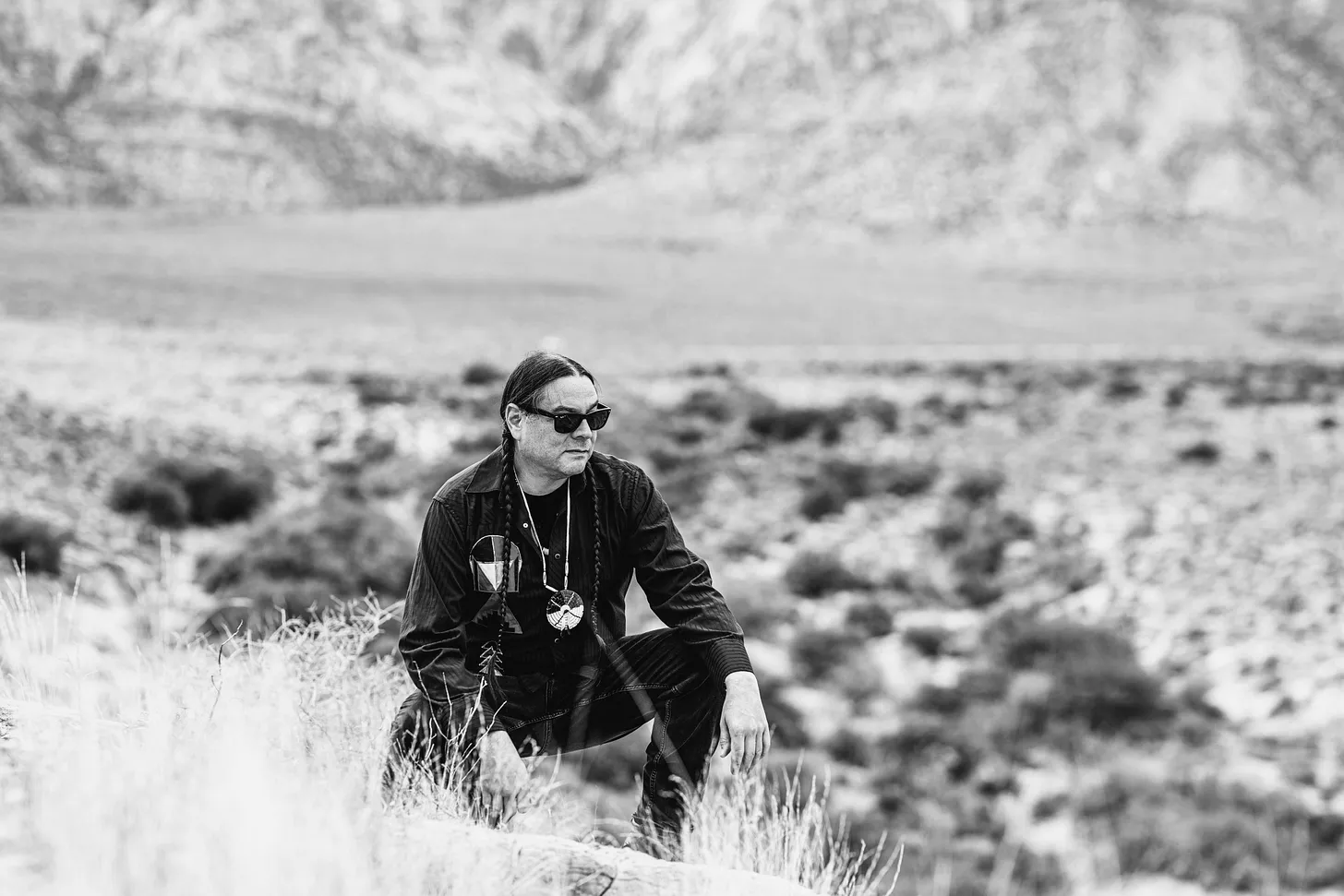
Scoop survivor Troy Abromaitis said he created Indigenous Survivors Day
to honour children who were taken from their families and lands. He
said Thunder Bay is the first city to make it a full-day event and he
hopes other communities will follow.
Abromaitis said Canada Day represents celebrating a country that, for many Indigenous peoples, facilitated loss and separation from their families.
"By
placing Indigenous Survivors Day on June 30, we invite Canadians to
reflect before they celebrate Canada Day, and to remember the children
who are taken and why this matters," said Abromaitis, a member of the
Nlaka'pamux Nation from Lytton First Nation in British Columbia.
Thunder
Bay is a city with painful truths to confront, he said. Choosing
to lead the way in recognizing Indigenous Survivors Day is a sign of
courage and growth, said Abromaitis. Other places have followed: British
Columbia, Nova Scotia and New Brunswick, and municipalities including
Victoria, Edmonton, Ottawa and Niagara Falls.
"They give me hope that one day this will be a national day and a national movement," he said.
While
the National Day for Truth and Reconciliation on Sept. 30 honours the
victims and survivors of residential schools, Abromaitis said there was a
need to recognize survivors of other campaigns that separated
Indigenous children from their families. Indigenous Survivors Day is
meant to fill that gap, he said.
"This is not just about history.
It's about healing what is still happening with regards to Sixties Scoop
survivors, Millennium Scoop survivors, birth alerts and the over
representation of children in the child welfare system who carry
invisible pain."
The Sixties Scoop refers to the period between the 1950s and early 1990s during which thousands of Indigenous children in Canada were apprehended by child welfare agencies and placed with non-Indigenous foster or adoptive parents. Many children were subject to physical, emotional or sexual abuse while most lost connection to their cultures and languages.
The systematic removal of First Nations children from their families from 1991 on is referred to as the Millennium Scoop. The practice resulted in more Indigenous children ending up in foster care than were sent to residential schools at their peak.
Birth alerts — when child welfare organizations notify hospitals if they believe a pregnant patient may be "high risk" — led to newborns being taken from their parents for days, months or even years. The province ordered an end to birth alerts in 2022 after finding it disproportionately affected Indigenous and racialized families.
Indigenous children made up 53.8 per cent of all children in foster care across the country, according to Statistics Canada data from the 2021 census.
 |
| David
Wilkinson-Simard is leading a sacred fire at the city of Thunder Bay's
first-ever proclamation of Indigenous Survivors' Day. (Submitted by
David Wilkinson-Simard) |
Thunder Bay Indigenous Survivors Day open to all
David
Wilkinson-Simard, a traditional knowledge keeper and member of the City
of Thunder Bay's Indigenous Advisory Council, will be leading a sacred
fire and closing reflections at a community gathering at Hillcrest Park.
"This is a very new event, you know, even to Native people. And we're understanding where our place is too," he said.
Wilkinson-Simard
said the organizers have put out calls to drum groups and hand drummers
to come celebrate. They plan to share traditional music and the stories
behind some ceremonies at the gathering.
Wilkinson-Simard,
who is also a survivor of the Sixties Scoop, said Indigenous Survivors
Day is a time to share stories about the ongoing challenges Indigenous
people have gone through and to celebrate their survival.
"It's an
opportunity to help Canadians to understand why a lot of the things are
the way they are and how First Nations are pulling themselves out of
all of this."
While events like the Sixties Scoop and residential
schools are often thought of as long-passed historical events, he said
the impacts are still felt by survivors and subsequent intergenerational
trauma.
The event is open to all. Wilkinson-Simard said non-Indigenous participants are encouraged to attend.
"I
think that's very important that as a non-Indigenous person you take
the opportunity and you also take the risk of going into and learning
about something that might be uncomfortable for you at first. It also is
an opportunity for you to understand the challenges that many First
Nations have overcome and how you can champion them."


 MORE:







 Posts

