BOOZHOO! We've amassed tons of information and important history on this blog since 2010. If you have a keyword, use the search box below. Also check out the reference section above. If you have a question or need help searching, use the contact form at the bottom of the blog.
We want you to use BOOKSHOP to buy books! (the editor will earn a small amount of money or commission. (we thank you) (that is our disclaimer statement)
This is a blog. It is not a peer-reviewed journal, not a sponsored publication... WE DO NOT HAVE ADS or earn MONEY from this website. The ideas, news and thoughts posted are sourced… or written by the editor or contributors.
EMAIL ME: tracelara@pm.me (outlook email is gone)
THANK YOU CHI MEGWETCH!
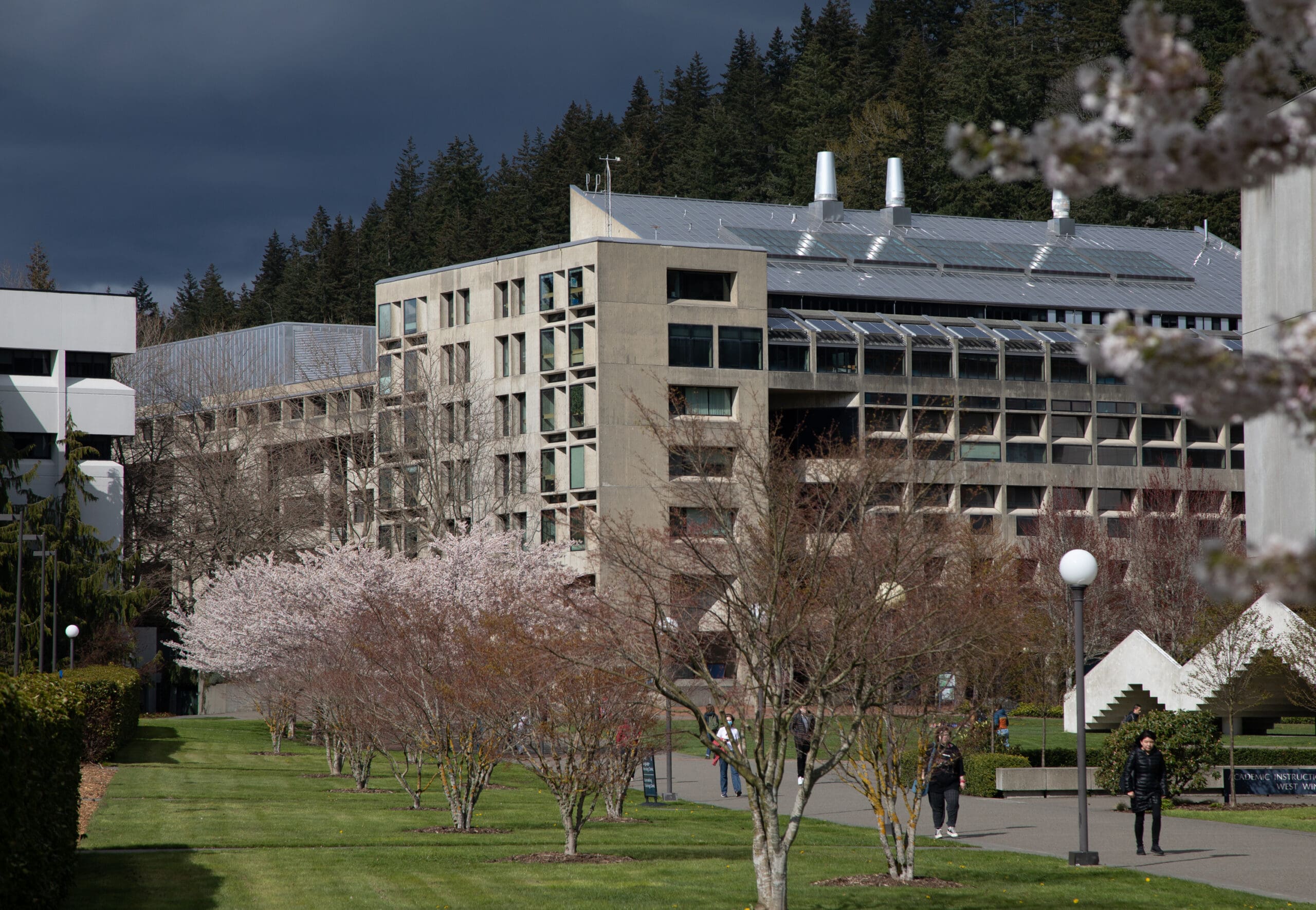
After heightened attention, university continues efforts to identify and return ancestors
Jan. 21, 2025 | Bellingham, WA
Western
Washington University is in possession of 63 culturally affiliated
Indigenous remains — 41 of those have been repatriated. Another 18
remains have unidentified tribal affiliations. (Hailey Hoffman/Cascadia Daily News)
Western Washington University has repatriated 41 Indigenous remains
and 238 cultural items to their ancestral communities, about two years after heightened attention to the issue.
Repatriation does not mean those items have been physically returned
to the Indigenous communities they belong to, explained Alyson Rollins
of Western. Rather it means, legally, those items are “no longer in our
control, but they’re still in our care.” Tribes can pick up the remains
and artifacts at any time.
A database
released by ProPublica in January 2023 prompted a nationwide look into
the more than 600 institutions that possess remains, including Western.
Institutions that receive federal funding have been required since 1990
to return “cultural items” and remains to American Indian Tribes, Alaska
Native villages and Native Hawaiian organizations, after the passage of
the Native American Graves Protection and Repatriation Act (NAGPRA).
Western has repatriated artifacts since before NAGPRA, but committed in 2023 to accelerating its efforts.
The university is in possession of 63 culturally affiliated remains —
41 of those have been repatriated. Another 18 remains have unidentified
tribal affiliations, meaning Western must work with 34 Native American
tribes and Canadian First Nations to determine where they belong.
Five remains have been physically transferred to ancestral
communities. Rollins, who is the new NAGPRA program and collections
manager at Western, said the university is still storing the rest for
various reasons. For example, a tribe may have requested the university
hold the items until members can pick them up.
Tribes are not bound by federal deadlines like institutions are,
NAGPRA Advisory Committee Chair Judith Pine said. Communities can decide
for themselves when to physically retrieve the remains and artifacts.
Pine said Western is “standing by to facilitate and assist.” Pine and
Rollins describe the university’s relationship with local tribes as
“long-standing” and positive.
Western returned three ancestral remains to the Swinomish Indian
Tribal Community, Josephine Jefferson, the Swinomish Tribe’s historic
preservation officer told CDN in a January email. She said they’re now
being taken care of by the tribe’s “spiritual people and elders.”
“This is where they belong,” Jefferson told CDN in 2023. “They don’t
belong in a science lab. They don’t belong in a museum to be looked at.
And they don’t need to be studied, because we are human, we are people,
and we’re the first peoples of this land.”
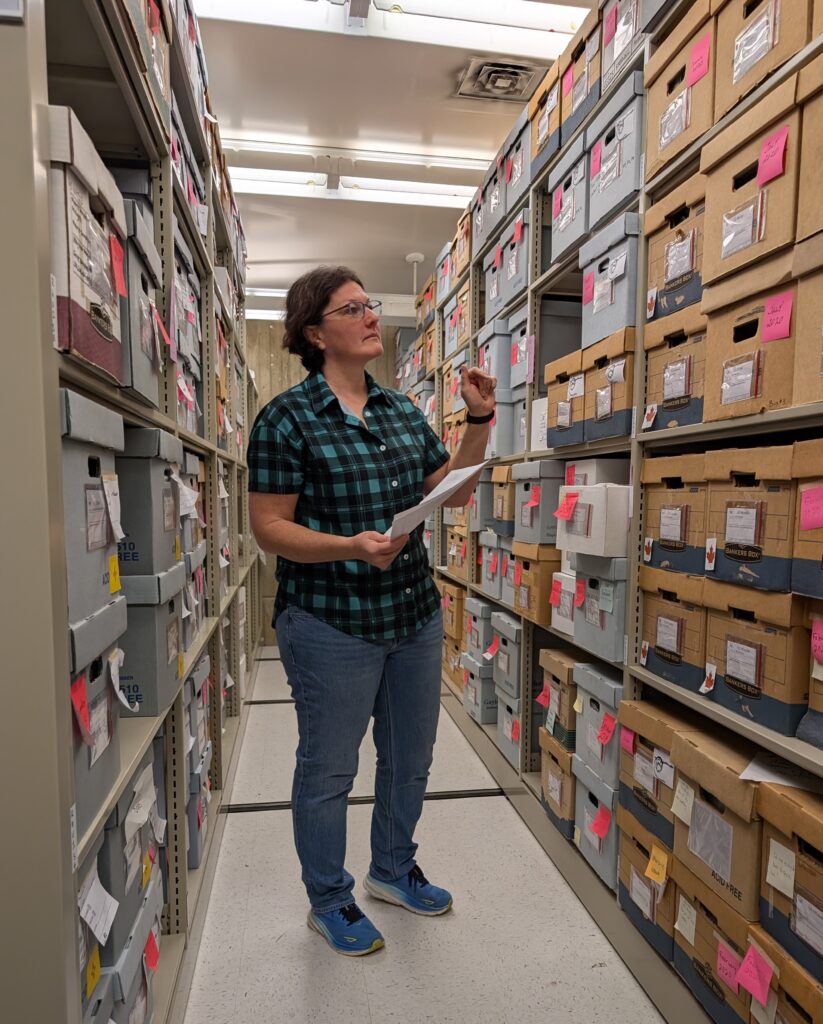
Alyson Rollins, WWU’s NAGPRA Program and Collections Manager. (Photo courtesy of Alyson Rollins)
Kim Wheeler was adopted during the Sixties Scoop and fought to find her way back to her culture My name is Kim Wheeler but some know me as...
Bookshop
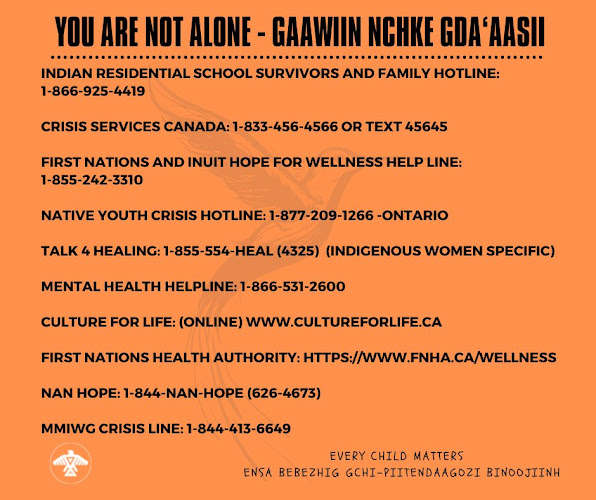
You are not alone
To Veronica Brown
Veronica, we adult adoptees are thinking of you today and every day. We will be here when you need us. Your journey in the adopted life has begun, nothing can revoke that now, the damage cannot be undone. Be courageous, you have what no adoptee before you has had; a strong group of adult adoptees who know your story, who are behind you and will always be so.
Diane Tells His Name
click photo
Lost Birds on Al Jazeera Fault Lines
click to read and listen about Trace, Diane, Julie and Suzie
NO MORE STOLEN SISTERS
click image
We conclude this series & continue the conversation by naming that adoption is genocide. This naming refers to the process of genocide that breaks kinship ties through adoption & other forms of family separation & policing 🧵#NAAM2022#AdoptionIsTraumaAND#AdopteeTwitter#FFY 1/6 pic.twitter.com/46v0mWISZ1
As the single largest unregulated industry in the United States, adoption is viewed as a benevolent action that results in the formation of “forever families.” The truth is that it is a very lucrative business with a known sales pitch. With profits last estimated at over $1.44 billion dollars a year, mothers who consider adoption for their babies need to be very aware that all of this promotion clouds the facts and only though independent research can they get an accurate account of what life might be like for both them and their child after signing the adoption paperwork.










 Posts
Posts

