


Have you ever heard that icebreaker–if you had to pick one superpower, would you fly or be invisible? I always pick the power of flight. I already know what it’s like to be invisible. In this country, it is not a form of power.
Once, I was at a grassroots social justice convening in Florida. On a break while people made small talk, a white woman came up to me and said, “I thought we killed all of you.” As in, she thought Native Americans were extinct like the woolly mammoth. It is a bewildering stereotype to encounter. The stereotype that you no longer exist. 82% of adults in the U.S. cannot think of a single, living, famous Native person. 98% cannot name two.
When you scroll through your phone, read the news, or watch TV, statistically, it is very unlikely you will see a Native person. Of the 2,336 regular characters on TV from 1987 to 2009, only two were Native. A recurring character on Northern Exposure. And a contestant on the reality show Survivor.
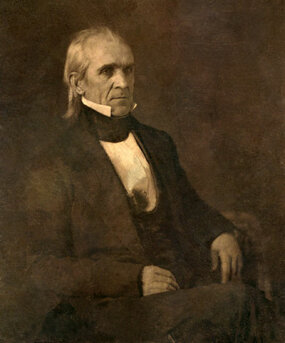
On the rare occasion Native people are portrayed in the media, we live in the past. In one study, researchers typed “Native American” and “American Indian” into the Google image search bar. 95% of the results were “antiquated portraits.” Once, someone told me that, even though she didn’t believe that I was Native, she knew that my ancestors were. Conveniently for a country built on our land, all of the real Indians are dead and gone.
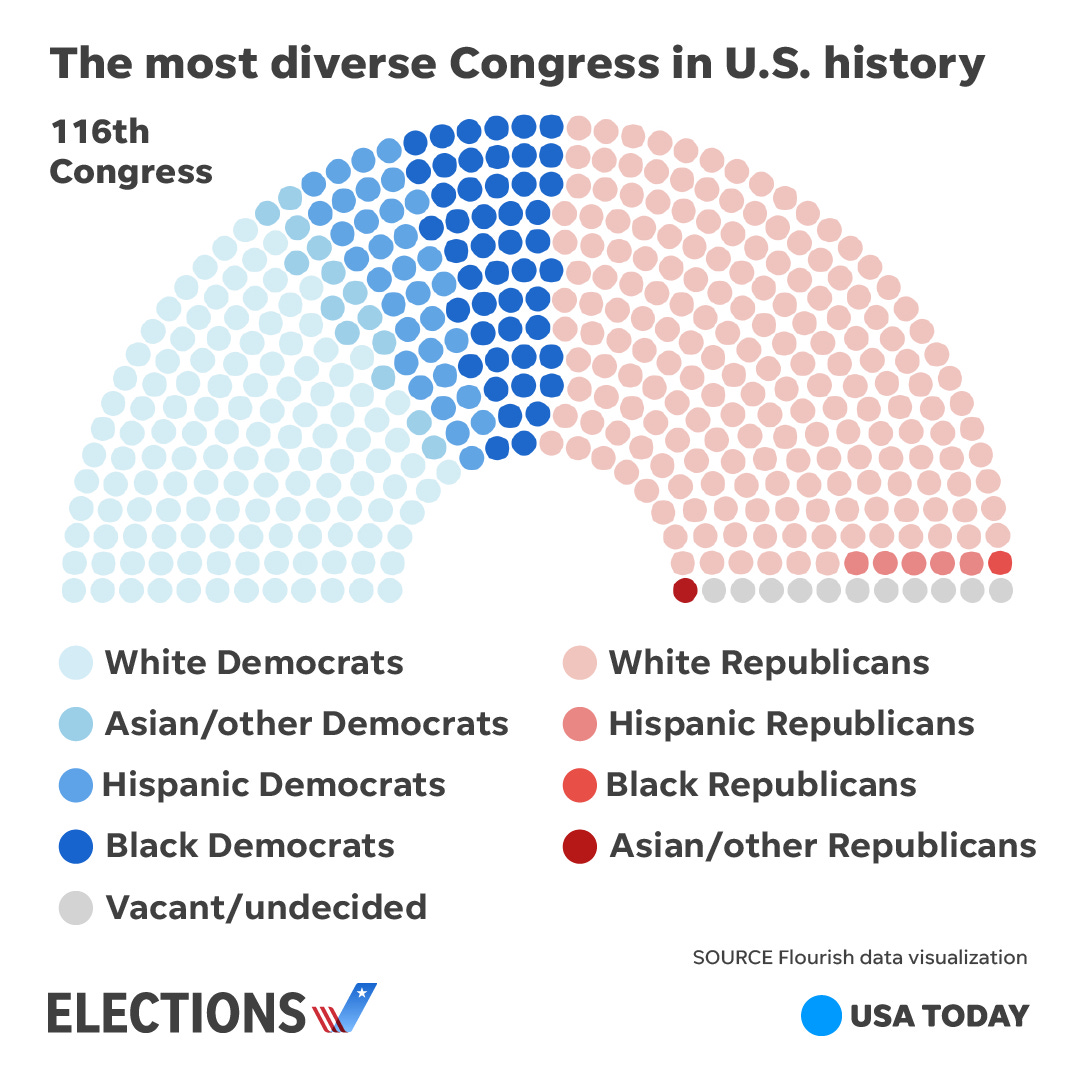
In 2018, U.S. voters elected the most diverse Congress in our country’s history. For the occasion, USA Today made an infographic. The 116th Congress included two Native women–the first ever elected to the body. In their infographic, USA Today put the Native representatives in the “other” category. In the 2020 election, Native voters helped Biden win the swing state of Arizona. On election night, CNN published an exit poll capturing how people voted in the state. On it, Native voters were called “something else.”
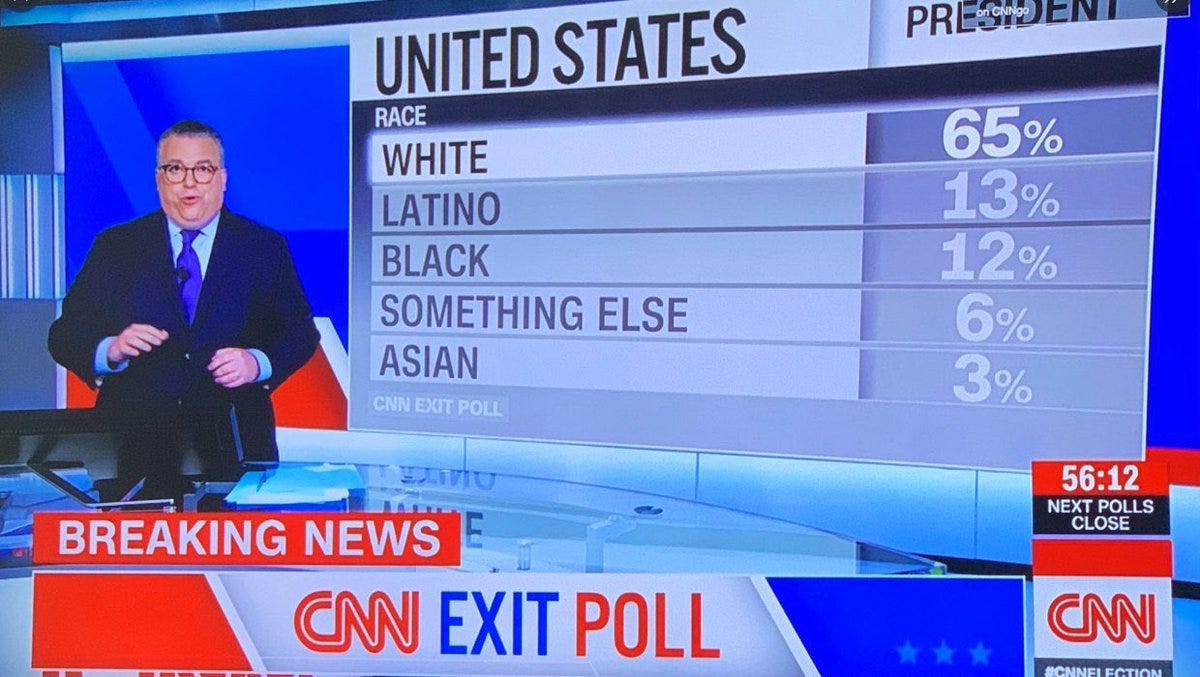
Native people are not simply left out of the story. We are written out.
We don’t learn about most people through direct social interactions, but from things like movies and the internet. I have never been to France, but I have an idea in my head that French people like wine and cheese. When a group is negatively represented, that can lead to stereotypes and prejudice, like the idea that women are bad at math. What Native people face is different. The media, pop culture, and school curriculum do not just represent us poorly. It represents almost never. Our existence is erased from the public eye. Americans don’t think about our absence. They don’t think about us at all.
This erasure harms Native folks. Our near-total absence from the media Americans consume creates a stubborn prejudice in the minds of non-Natives. Over time, they see us as less real and even less human. Research has found that less exposure to contemporary Native people correlates with more prejudice against us and less support for tribal sovereignty. One study found that the more contemporary Native people were omitted, the more participants agreed that the U.S. should nullify all treaties, eliminate all reservations, and abolish tribes’ right to self-govern. It is active erasure.








 Posts
Posts

