They Took Us Away

They Took Us Away
click image to see more and read more

it's free

click

How to Use this Blog

BOOZHOO! We've amassed tons of information and important history on this blog since 2010. If you have a keyword, use the search box below. Also check out the reference section above. If you have a question or need help searching, use the contact form at the bottom of the blog.


We want you to use BOOKSHOP to buy books! (the editor will earn a small amount of money or commission. (we thank you) (that is our disclaimer statement)

This is a blog. It is not a peer-reviewed journal, not a sponsored publication... WE DO NOT HAVE ADS or earn MONEY from this website. The ideas, news and thoughts posted are sourced… or written by the editor or contributors.

EMAIL ME: tracelara@pm.me (outlook email is gone) THANK YOU CHI MEGWETCH!

SEARCH

Monday, November 11, 2019

Teens, Sex Ed and Birth Control #NAAM2019


By Trace Hentz (blog editor)

For generations in America, after a teenager’s “mistake,” adoption fixed up her problem like a band-aid, one that didn't stick that well.  
           
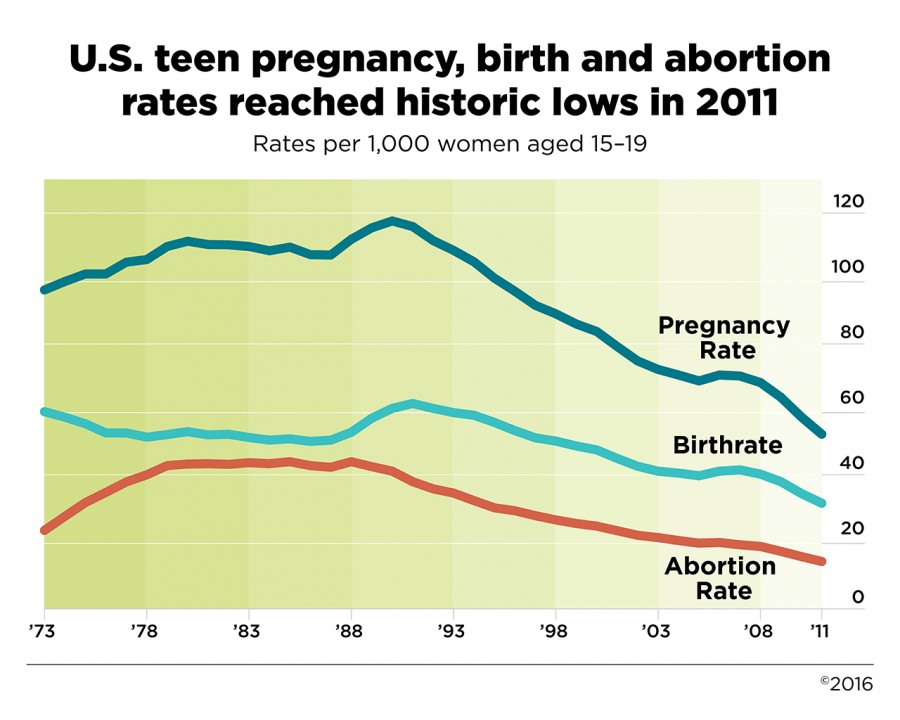
Though teen pregnancy has slowed down in recent years, teens have not stopped having sex and babies because living in the Dark Ages, we project our fears, phobias and religious beliefs onto them.


It’s not that I don’t understand how a 12 -18 year old girl can get pregnant. But she shouldn't have gotten pregnant in the first place. She should have had information available to her so she wouldn’t get pregnant by mistake.  Once a girl has her first menstrual cycle, she can get pregnant. It's that simple. Boys and girls needs to have sex education very early.


But we have the same old problem, even in 2019, when the Vatican maintains birth control is evil and not allowed. If caught using it, you are ex-communicated.
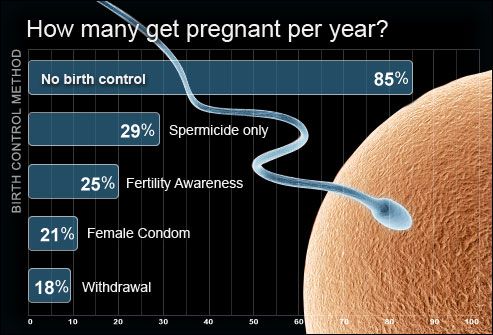

Hey, this isn’t preschool – if she’s old enough to get pregnant, both he and she are old enough to have information.  She has the right to know, the right to use (contraceptives) and the right to choose.


Why do we keep information from girls who could become pregnant?  That question answers itself.  In many religions in 2019, it’s still a sin to have sex when you’re not married.  You’re supposed to be a virgin when you marry.  You’re immoral if you fail.  You are supposed to abstain from sex and say no.  If you fail, in many parts of this country, the baby goes up for adoption. It’s a Christian thing to do, a moral thing to do, the only thing you can do.  Actually the girl is not ignorant, it’s those who keep her misinformed or in the dark who are ignorant.  


What is immoral is any country that won’t educate children and teens about pregnancy, sexually transmitted disease and AIDS.  We’re killing them with ignorance. 
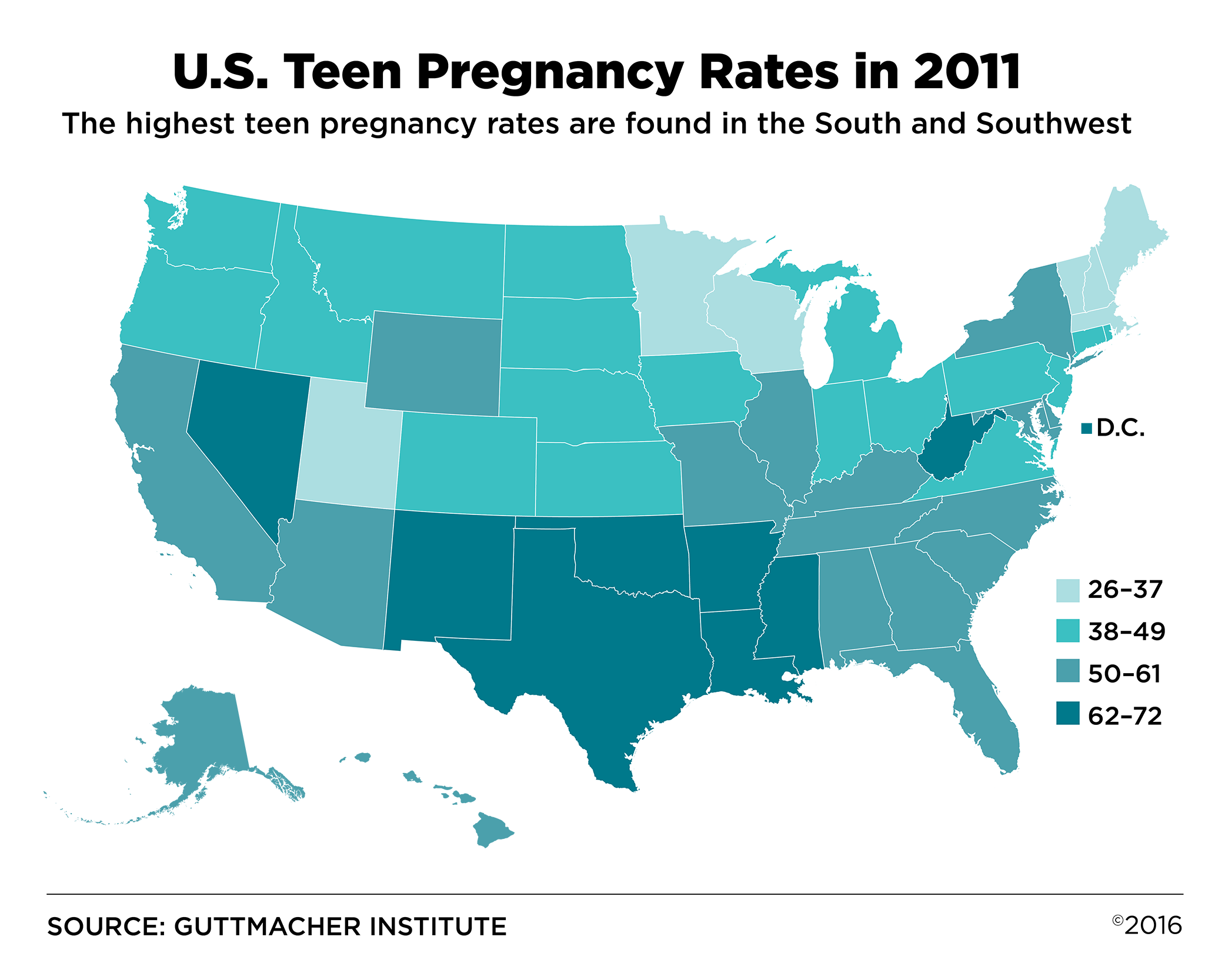
Here in America, religious and government leaders devised a better solution – tell all kids to abstain. How absolutely ludicrous! You tell them to not have sex and look the other way when you’ve got them at their most curious and confused, hormones raging. 
 
I read in a Rhode Island newspaper in 2004, there was a group of protesting college students carrying signs “Keep your rosaries off our ovaries.”

Speaking of organized religion, how demeaning to girls and women – and condescending to say the least – that she is solely responsible or to blame - that she must control the decision whether to have sex… Or she’s condemned for using birth control, if she can get her hands on it or even afford it.   

Again, the same rules don’t apply to the boys.

If girls do have information and can use and buy contraceptives, wouldn’t this curb unplanned pregnancies and the need for more adoptions? Yes, it would and it has.
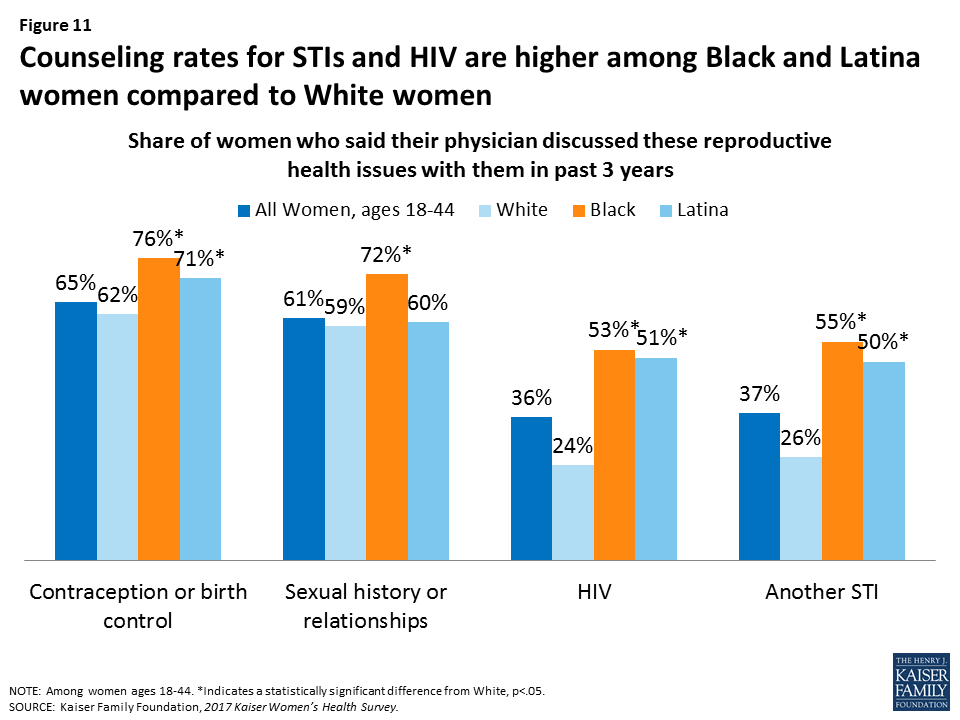
                

Perhaps people who read this will invent new ways to educate all teenagers about reproduction and sex and STDS and not push adoption as the sole solution ever again. 

and then this tweet:

Sunday, November 10, 2019

What adoption cost me #NAAM2019

Edie holding me in 1957
reblog from 2014

By Trace L Hentz

Someone asked me recently what had adoption cost me personally.
 

What a loaded question, I shot back in my email. I said I needed to think about it.
Obviously I didn't ask to be adopted!
 

This situation was thrust on me by a damaged 22-year-old small-town Wisconsin girl who loved Chicago night-clubs and partying too much. She didn't want me after my 28-year-old father (also a big drinker) kicked her out. He moved back to his Illinois farm-town and found a new wife. She went to an unwed mothers home in Minnesota and signed me away.
 

If my soul wanted a big test this lifetime, this was clearly the route to take. Finding out neither would ever look for me? That painful discovery cost me.
 

What kind of man would desert a woman carrying his child and who would tell a woman she cannot keep her own baby? Who made them this way?  Belief systems, religions, social workers, neighbors, parents, judges, priests? Even your own family can be so damaged, it's risky to find them. There are times now I wish I had never looked but I had to know why I was adopted. Taking risks to find out the truth cost me years.
 

Being told by my natural mother to never contact her again? That rejection cost me.
 

I made all the moves, made all the calls, did all the travel and took all the risks to find both parents. I put myself out there to join a family who didn't even know I existed or cared that I did. That hurt cost me.
The adoption trade in babies was booming in the 1950s. In my opinion my adoptive parents were not carefully screened. Despite his raging alcoholism and their marital discord after two miscarriages, Catholic social workers still qualified them to be my parents. Very young I was sexually molested by my adoptive dad. That betrayal cost me.

I had to pretend for years I was alright when really I wasn't. I tried to live up to their expectations and be the baby they lost. That impossible situation cost me.
 

My adoptive parents didn't know adopting kids won't fix a marriage and might even make it worse! I had to suppress my shock and disappointment in them for too long. It took me years to get therapy and counseling that worked.  This delay cost me.
 

My lack of trust and being able to love someone cost me a marriage.
Many years later I was shocked to learn my ancestry. My father, who had the Native blood, didn't intervene to keep me. How did that make me feel? Betrayed.
 

I had no idea what to think about being Shawnee/Cherokee since there was no one alive to reconnect me to my tribal culture. That cost me.
How can you measure cultural loss when there is no dollar amount or apology that can undo what happened? There is no way to get that back.

What did adoption cost me? Everything.
What did adoption give me? The strength to persevere.

Saturday, November 9, 2019

What has and has not happened… #NAAM2019

2012 reblog


Adoption = Perfect Product Placement
By Trace L Hentz (adoptee-blogger)

In south Chicago in the 1950s, my 22-year-old mother imagined my father, 28, would marry her since she was pregnant with me. That didn’t happen.
Did my birthmother’s family support her and allow her to keep me? That didn’t happen.

I was illegitimate but I wasn’t an orphan since I had two parents. Did the state contact my father and ask him to raise me?  No. That didn’t happen.
After an orphanage then foster care, the damage done in those months is not something I can describe in words but I only wanted to be with my natural mother. That didn’t happen.

The couple who adopted me had miscarried twice and I was supposed to be the perfect replacement. I had my own DNA and my own ancestors but that didn’t matter. They expected me to be their lost child. That didn’t happen.
I was not supposed to question anything. When I decided I wanted to know who I was, what happened and why I was adopted, I asked my adoptive family for information and the truth. That didn’t happen.

The social worker convinced my mother I was better off with new parents who she never met. Did the social worker tell my mother I would be emotionally distraught, devastated and mentally damaged from being abandoned? No. That didn’t happen.
The church and the state were supposed to conduct interviews and home inspections. Did they find out my adoptive father was a raging alcoholic. Did they stop him from molesting me? No. That didn’t happen.

My natural mother probably thought the church and state and the social worker would protect me after adoption. Did the social worker check on me? No.  That didn’t happen.
Many of my adopted friends were sexually molested as teens by their adoptive fathers and other relatives. Will the adoption industry ever admit or release these statistics? No. That sadly isn’t happening.

The adoption industry peddles perfect product placement called babies to people who miscarried, some desperate to raise a child.  Do they tell them babies are “blank slates” who will love them unconditionally? Yes. That does happen.

Friday, November 8, 2019

Adoption Reunion | Be selfless for adoptees and set us free... #NAAM2019

Repost: Lost Daughters blog August 17, 2014 (edited)

If you love something, Let it go free


...If you love something let it go free…If it comes back it’s yours: If it doesn’t, it never was.


I saved this quote from my teens. It came in handy when I was trying to figure out if someone really loved me.
It hit me as relevant for parents who adopted us... you can be selfless for adoptees and you can set us free... especially when we are adults and go into reunion with our first parents (birthfamily).
In 2014 I had a long conversation with a friend whose wife gave up a baby for adoption 40 years ago. I played a small part in their finding the daughter she gave up at age 16. They were over-the-moon elated to finally locate her!
Now in reunion with Barb (not her real name), my friends are trying to figure out what is happening to Barb now that she is in reunion with them and they are obviously looking for clues or signs that she's doing OK. They honestly don't know if they should reach out more... They aren't sure of anything because Barb was in the midwest (and now Florida in 2019) and they live on the East Coast. They just can't pop in for a quick visit. (I told my friends that Barb is not in "their territory," which means they can't even guess what is going on with her adoptive family since she lives in their territory.)
Barb, an adoptee, is young (40) and navigating reunion, trying to balance life as a wife, mother and adopted daughter who now has her new-found first mother and her adoptive mother. (Eight years so far.)
The risk is Barb will upset her adoptive parents, who happen to be quite wealthy!  If she is not careful, they might disown her.  Barb's husband sees this eventuality better than Barb does, my friends believe.
Adoptees like me went through this dilemma, too. I didn't tell my adoptive parents anything when I was in my 20s and searching. I tried to talk to my adoptive mom and failed. Mine weren't wealthy but I did risk alienating them. I chose not to... (Thank God I was not disowned when I told my adoptive mother I was going to my father's funeral in Illinois but all hell broke loose anyway.)
How do we keep our adoptive parents happy with us, especially when we are meeting our first mothers and fathers?  Do we keep them separate?  Do we tell our adoptive parents not to worry?  Or do we tell them nothing?  
Reality is many adoptive parents are NOT the ones in therapy or thinking about messy reunion stuff.  Adoptive parents have the upper hand as legally-defined parents to the adoptee, and can reject and disown the adoptee at this most important juncture of an adoptee's adult life. 
I call this veiled threat emotional blackmail.
My friend and his wife are good people. They don’t want to stir up any trouble. They simply want to know Barb and keep in contact. Barb has children so naturally my friends want to know their grandchildren. They are not pressuring Barb in any way. They are letting her make the moves…but for the past few months, Barb's been very sick. (These details are from my friends, and on Barb's recent Facebook posts.) They gave Barb her maternal-side medical history three years ago but new facts have come to light about ancestry, genetics and it could possibly help treat Barb's illness.
They keep up with Barb’s life via text messages and are on her Facebook page. Barb has not been communicating. Earlier this year they met with Barb and her husband and kids out of state for Barb’s convenience. It’s likely Barb kept this trip from her adoptive parents.(She put her phone on silent when her adoptive mother made several calls to her.)
Why?  When Barb was contacted by her first mother, she was so excited she called her adoptive mother to tell her the big news. (Oh No!) Barb learned immediately her adoptive mother was not happy at all and was in fact quite shocked.  (Her adoptive mother could not have children, so naturally Barb and her brother filled that gap. Barb has said in so many words said her adoptive mother is controlling and always hovering.)  I have no idea if Barb reads blogs or books by adoptees. Obviously she should!
Many of us adoptees and Lost Daughters have been navigating reunion for years and have successfully dealt with issues of how much contact is good, and with who...  So I ask your help and advice, blog readers.
  • What can my friends do to stay close to Barb?

Trace (Lara) DeMeyer (Shawnee-Cherokee-Irish- French Canadian) is the author of One Small Sacrifice and co-editor of the book series Lost Children of the Indian Adoption Projects.) She also contributed to the LOST DAUGHTERS anthology and other adoption anthologies including ADOPTIONLAND. 
Trace is working on a third expanded edition of her memoir to be released in 2020.

Thursday, November 7, 2019

US Court of Appeals for Fifth Circuit to Rehear Indian Child Welfare Challenge

by Native News Online Staff
Breaking News 
Published November 7, 2019
NEW ORLEANS — Today, the United States Court of Appeals for the Fifth Circuit issued an order directing a challenge to the Indian Child Welfare Act (ICWA) to be reheard en banc -- before the entire Fifth Circuit.  As previously reported, a three-judge panel of the Fifth Circuit had held ICWA Constitutional in August, finding it was not a race-based statute that would violate the Equal Protection Clause.  The States of Texas, Louisiana, and Indiana, and several adoptive parents had urged the Court to set aside the August 9, 2019 decision and rehear the case, asserting similar arguments to the original briefing and that tribal membership is determined on an “overwhelmingly racial nature.”
The federal government filed a brief in response earlier this week, arguing that the plaintiffs “miss the fundamental point . . . [namely,] tribes have authority to set their own membership criteria, which may be based in part on biology or descent[.]”  The Cherokee Nation, Oneida Nation, Quinault Indian Nation, Morongo Band of Mission Indians, and Navajo Nation (Intervenor) filed an opposition to the petitions for rehearing en banc last month, as did the federal government.
Today’s order does not necessarily mean that the Fifth Circuit will find ICWA unconstitutional, but does vacate its earlier decision and add another round of briefing to the case – which is scheduled for December and January.  The Court seeks to hear oral argument during the week of January 20.

Adopted Babies Grieve* #NAAM2019 Adoption and Child Separation at the Border

Adopted Babies Grieve*


When I first joined my new family, in a new home, in a new country with new sounds and unfamiliar smells and foods, I cried and screamed unabated for days on end. My Mom was so concerned she took me to see a doctor. The doctor diagnosed me with “acute separation anxiety.”

I was 6 months old.DNA does not forget.

And neither do our mothers.


_________
*This is the second essay in a  series titled, "Reflections from the Other Side of 10 Years Post-Reunion," that I am publishing as I examine the past 10 years since reuniting with my Korean family. To view additional essays in this series, click here.

**

Adoption and Child Separation at the Border


Native News Online captures the voices of American Indian leaders speaking out about the practice of incarcerating children and notes the similarities to the boarding school project.
We are seeing the beginnings of how organizations transform black and brown children to desirable bodies for adoption. These are the same children Americans seek to adopt when they are considered “over there” or not linked to black and brown adults. Finding Fernanda by Erin Siegel demonstrates the experiences of adoptive parents as they sought to adopt children from Guatemala.  We are seeing how children’s bodies are being disciplined to become acceptable bodies of children of color—potential adoptees, potential kin to white families.

Silence is violence, especially now. This is why I urge white adoptive parents of children of color in particular to use your voice and speak. Advocate for family preservation and reunification. See how your child’s immigrant story is aligned with the immigrant experiences of these other children. Adoptees should not be exceptional immigrants, but yet we are. We are heralded while people who could be our parents, siblings, or children are denigrated. And don’t be fooled—your children are not exceptions, not when we see naturalized citizens not having the ability to think their citizenship is permanent. To look away and think, “Well my child would not have this happen to them,” at some point we might be in a situation where they will come for us—adoptees. And then what? I’m reminded of the poem, “First they came for the socialists,” by Martin Niemöller given the ways in which American society is normalizing the behavior and dehumanization of some ethnic, racial, and religious groups over others. A quick Google search will reveal that I’m not alone in this concern. 
read  

Wednesday, November 6, 2019

Federal Court approves Indian day schools class-action settlement

Compensation of up to $200K for abuse is 'fair and reasonable,' judge rules

Several federal Indian Day Schools operated in Kahnawake, Que., between 1868 and 1988. A class action settlement offers former students a range of compensation between $10,000 and $200,000, based on abuse suffered while attending the schools.
The Federal Court of Canada has approved the settlement of a class-action lawsuit against the government to compensate thousands of First Nations, Métis and Inuit children who attended federally operated Indian day schools.


There is 24-hour mental health counselling and crisis support available to former day school students at 1-855-242-3310 or by online chat at www.hopeforwellness.ca. Counselling is available in English, French, Cree, Ojibway and Inuktitut.

INDIAN DAY SCHOOL SETTLEMENT

I Am Not Your Orphan #NAAM2019


Oct 31 ·

There’s No Such Thing As An Orphan


November is #NAAM (National Adoption Awareness Month), and before you waste your time watching horribly exploitative films like Instant Family, it’s high time we cleared something up, you and me:

There is no such thing as an orphan. There is only colonization.

Now, before you start throwing dictionaries at me, which would be very unpleasant, we must remember that language is constructed by people, and people are subjective. Though a definition for a word may be one thing, the way we use it is something else entirely. The textbook definition for an orphan is “a child whose parents are dead,” and if we were textbook in our use of the word, then many senior care facilities ought to be renamed “orphanages.” But we don’t use “orphan” in this context, because we understand that loss of parents doesn’t mean loss of family. Organizations like UNICEF have formerly limited the definition of orphan to those children under 18 years of age who have lost one or both parents. Fine, this clears up my former comment about the senior community. But I’d still like to ask a few questions to further shore up what I mean when I say that our intended use is different from the reality of the situation.
When I say the word “orphan,” who is it you picture? What is their race? Where on the globe do they live? There is little doubt in my mind that the image this word conjures is not unlike those at the Live-Aid concert, and that’s not unintentional. Yet, let’s say there is a family of white, upper-middle-class characters in a film, and the main character’s sister and brother-in-law have just died in a car accident. This person’s six year old nephew is now, technically, an orphan. But would you imagine international organizations suddenly showing up at the house to take non-consensual photos of the child, blasting their image and embellished bio to couples in foreign countries, and then asking for tens of thousands of dollars to adopt said child? I doubt it. Our first thought is that the main character should take their nephew in. That’s because we understand that it’s important to #keepfamiliestogether. At least, we’d like to believe we understand that; because we sure don’t practice it.
It is said that more than 80% of the world’s “orphans” have one living parent. Out of the remaining percent who reportedly do not have either parent present, none of our statistics include the role of aunts, uncles, grandparents or adult siblings. The only unifying factor of struggle between the majority of these children is that they tend to come from poor(er) families. This is what separates the aforementioned fictional character from those international children we deem “orphaned;” a family’s access to resources.
source: MEDIUM

Tuesday, November 5, 2019

BRINGING OUR CHILDREN HOME events in Manitoba

The First Nations Family Advocate Office (FNFAO) is hosting "Bringing Our Children Home" National Conference November 25-27, 2019 with a Gala Event on the evening of November 26, 2019 

read more here

The 60s Scoop settlement and the issues behind it | APTN InFocus #TRC #NAAM2019


We put the Sixties Scoop… InFocus.
[2017]
That was the Federal Government’s practice of taking about 20,000 Indigenous children and fostering, or adopting them into non-Indigenous homes.
Some as far away as the United States and Europe.
It happened between the late 1950s and well into the 80s, but the impacts are still felt today.
Now, Canada is offering a compensation worth $800 million dollars, for status Indians.
This Agreement-In-Principal excludes non-status and Metis.
Today’s guests include Coleen Rajotte, filmmaker and an adoptee herself, also an advocate for survivors of the Sixties Scoop. And Marlene Orgeron, also an adoptee.
Garth Myers, lawyer at Koskie Minski LLP, in Toronto explained some of the legalities of the A-I-P and took in some heated questions from our guests.
The discussion proved important to talk about, and one thing was clear: it won’t be going away anytime soon.

Friday, November 1, 2019

#NAAM2019: National Adoption Awareness Month begins today

I plan to share posts from other adoptee bloggers all month...

Click and read:

These are great books and helpful:

Seminole #HonorNativeLand


Happy Visitors!

WRITTEN BY HUMANS!

WRITTEN BY HUMANS!

Blog Archive

Featured Post

Your History Class Was a F*cking Lie | #NOMOAR

  Your History Class Was a F*cking Lie by Sean Sherman (Or: How the American Educational System Has Always Been a Racist Propaganda Program...


Native Circles

Native Circles
click logo for podcasts!

Most READ Posts

Bookshop

You are not alone

You are not alone

To Veronica Brown

Veronica, we adult adoptees are thinking of you today and every day. We will be here when you need us. Your journey in the adopted life has begun, nothing can revoke that now, the damage cannot be undone. Be courageous, you have what no adoptee before you has had; a strong group of adult adoptees who know your story, who are behind you and will always be so.

Diane Tells His Name


click photo

Lost Birds on Al Jazeera Fault Lines

Lost Birds on Al Jazeera Fault Lines
click to read and listen about Trace, Diane, Julie and Suzie

NO MORE STOLEN SISTERS

NO MORE STOLEN SISTERS
click image

ADOPTION TRUTH

As the single largest unregulated industry in the United States, adoption is viewed as a benevolent action that results in the formation of “forever families.”
The truth is that it is a very lucrative business with a known sales pitch. With profits last estimated at over $1.44 billion dollars a year, mothers who consider adoption for their babies need to be very aware that all of this promotion clouds the facts and only though independent research can they get an accurate account of what life might be like for both them and their child after signing the adoption paperwork.

Original Birth Certificate Map in the USA

Google Followers