



READ: Indian Child Welfare Court in Duluth aims for better outcomes for Native American families | Duluth News Tribune

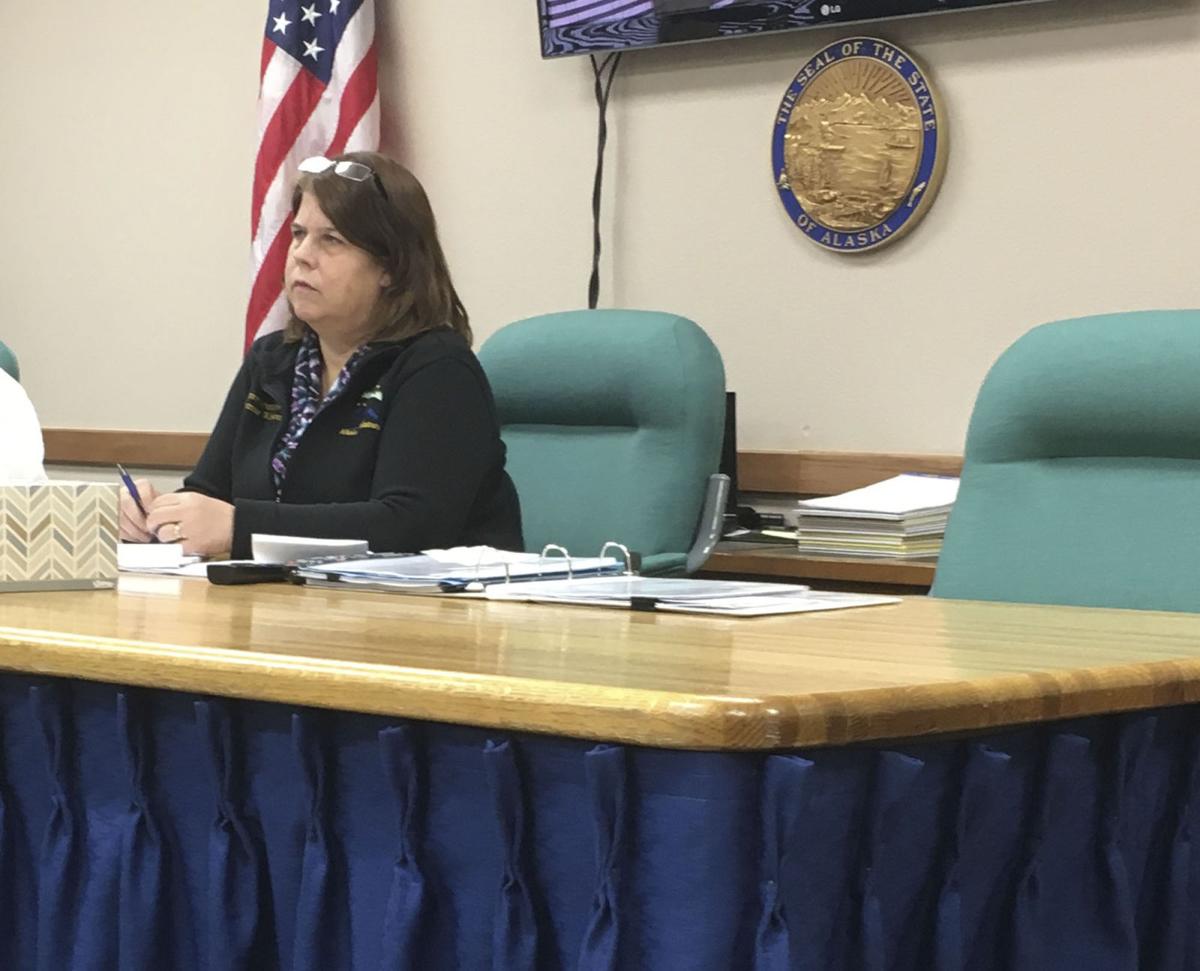
“I started this panel, I figure the best way to go is I ask parents if they want a public setting to be able to share their stories,” Wilson said, “That way we could then share with the legislature and governor and anyone else who could help us get this straightened out.”
That’s because they have federal protections under the Indian Child Welfare Act.
Wilson said she thinks all Alaskan families should have more the more stringent protections required by ICWA, with family members such as grandparents having to be consulted before a child is fostered or adopted outside of the family.
Native Americans expect nothing good from Trump...read more at blog https://t.co/PPShGrS0pp pic.twitter.com/yzNMOSp8XB— http:LaraTraceHentz (@Trace15) January 27, 2017
America First? How About First Americans First? - Native News Online https://t.co/KmmRpsINq7— http:LaraTraceHentz (@Trace15) January 29, 2017

Yankton Sioux Tribe Chairman Asks President Trump to Release All Correspondence Relating to… https://t.co/DuJBblybAS pic.twitter.com/GeSWZ5HyER— NativeNewsOnline (@Native_NewsNet) January 27, 2017
/
Currents /
28 Jan 2017

Published January 29, 2017


WASHINGTON — Longtime activist Winona LaDuke says
the actions to ignore the wishes of water protectors at Standing Rock in
 North Dakota seek to dehumanize American Indians.


The American Psychological Association weighed in this past week
after President Trump’s issuance of a presidential memorandum regarding
construction of the Dakota Access Pipeline with this statement:


“The American Psychological Association is concerned by President
Trump’s apparent attempt to clear the way for the Dakota Access Pipeline
 to move forward as originally planned, which threatens the welfare of
the Standing Rock Sioux Tribe.


“Native Americans have been historically marginalized and mistreated
by the United States. Research has linked historical trauma to health
disparities, including increased likelihood of early death due to
substance abuse, unintentional injuries, assault, homicide and suicide.


“APA urges the Army Corps of Engineers to continue to search for
alternative routes for the oil pipeline that do not endanger the water
supply, sacred burial grounds and treaty rights of the Standing Rock
Sioux. It is critical for the corps to consult with the tribe in this
process, as stipulated in the December 16 memorandum by the assistant
secretary of the Army for civil works that halted construction on the
pipeline project pending further review.


“This pipeline affects not only Native American citizens but
millions of American citizens downstream, who are at risk of suffering
the effects of possible exposure to toxic oil spills and dealing with
harm to the environment.

“Given our skills as psychologists, we stand ready to participate in
constructive problem resolution, as well as provide support for those
who were and remain in harm’s way — physically, psychologically and
spiritually.


“We ask that the new administration not repeat the mistakes of the
past, and that it respect the sovereignty, welfare and culture of our
native peoples.”
Indigenous Women Rise: Women’s March on Washington https://t.co/SLzOa0qLeV pic.twitter.com/3FnSLGH6uK— NativeNewsOnline (@Native_NewsNet) January 24, 2017


 Koppel
said a similar program implemented from 2000-2010 saw a significant
reduction in the percentage of black children placed into foster care.
Koppel
said a similar program implemented from 2000-2010 saw a significant
reduction in the percentage of black children placed into foster care.This is part of adoption a lot of people don’t talk about. It’s one of the reason adoptees commit suicide. It’s one of the reason there’s a disproportionate number of adoptees seeking mental health care. When blood relatives turn their backs on adoptees, the effects are devastating, and yet many adoptees do what I did, which is to shrug it off. I didn’t want to meet her/him anyway. I already have brothers/sisters. I don’t need more.
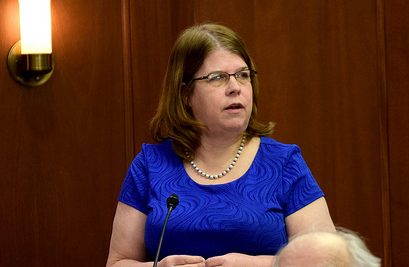
”It’s almost as if you’re saying that ICWA isn’t really needed anymore because the playing field is level, which unfortunately is still not the case in Alaska, or in many other parts of the country,” Lawton said.
"My aspect is if we weren’t taking children that we should not be taking, we would be able to use the resources into families that really do need those resources,” Wilson said. “Cause, it’s much cheaper and it’s better for the family to be able to keep the children in the home. And then if you need the parents to do certain types of classes, then you have those worked out at the same time”
 UPDATE Submitted by mbowen on 01/20/2017
 “In those days, if you were Native American, you had to be careful of the Mormon Church. Back then, the Mormons would take Indian babies, cut their hair and turn them into servants. In fact, they made a lot of money doing that until the Indian Child Welfare Act of 1972 put an end to it. It was very common for kids of a family to live with an aunt for six months or a year. Well, as soon as this would happen, the Mormon Church would come in and say this woman has abandoned her family. They would come in and cut their hair, not allow them to speak their native language anymore and, basically, sell them. It was a bit like slave trade. It was amazing they got away with it as long as they did.”READ THIS STORY

Podcast with Aboriginal CKCU Duane Morrisseau-Beck National Indigenous Survivors of Child Welfare Networkby Indigenous Adoptees |


Congress enacted IWCA to address the separation of Indian children from their families at a disproportionately high rate, as a result of state agency policies and practices that placed the children in non-Indian foster and adoptive homes.
The loss of Native American lands within the U.S. year by year. 2-min video https://t.co/fjJDcGkIZi pic.twitter.com/GYeAfd5Vrt— Century Past History (@lienhart85) December 29, 2016
In March 2015, Viken found that local court procedures violated Native American rights by not advising parents they had a right to contest the state’s petition for temporary custody and by not requiring the state to present live sworn testimony from a witness.
"People in the systems care a lot about children and families, but there is something about the way the system is responding that is leading to high levels of disparity," said Priscilla Day, director of the Center for Regional and Tribal Welfare at UMD, and head of the university's social work department.
The center will lead the work and partner with Duluth's 6th Judicial District, St. Louis County Public Health and Human Services, the National Council of Juvenile and Family Court Judges, Leech Lake Tribal Court and both the Fond du Lac and Grand Portage bands of Lake Superior Chippewa.
"This is a really important issue to us," Church said. "It's a significant part of our work with families, and that's why we continue to devote a lot of time and energy ... to try to reduce these disparities."
The project is called Jii-Anishinaabe-Bimaatiziwag Partnership Project, which means "so they can live the Indian way of life."
 |
| Eliza Moaranjo Morse hard at work. Photo courtesy of the IAIA Museum of Contemporary Native Arts |

Historians want to mobilize reparation efforts for California sterilization victims who suffered under a government mandated program in the early 1900’s. A new American Journal of Public Health report titled, “California’s Sterilization Survivors: An Estimate and Call for Redress,” examines the scope of the state’s sterilization recommendations. Sterilization was an option spurred by eugenics–a controversial practice aimed…

 Practiced in many Native American cultures, the Blessingway
Ceremony was traditionally held to honor major life transitions. During
late pregnancy and to prepare for birth, an important rite of passage
for women, a woman's close female friends would host a Blessingway
Ceremony to honor her transition into motherhood. This initiation helps
to prepare a woman physically, mentally and spiritually for her journey
through birth and into motherhood. It allows her to strengthen her
social support, which she will need to nourish her postpartum, and to
deepen the bonds that she has with her community of support.
Practiced in many Native American cultures, the Blessingway
Ceremony was traditionally held to honor major life transitions. During
late pregnancy and to prepare for birth, an important rite of passage
for women, a woman's close female friends would host a Blessingway
Ceremony to honor her transition into motherhood. This initiation helps
to prepare a woman physically, mentally and spiritually for her journey
through birth and into motherhood. It allows her to strengthen her
social support, which she will need to nourish her postpartum, and to
deepen the bonds that she has with her community of support.
 There
are hundreds of indigenous stories in Canada that never make headlines.
Some of them are taking place right now while others stem back
centuries. In the case of Canada coercively sterilizing Indigenous
women, we have an ongoing and almost completely unreported story that
begins before the United Nations Declaration on the Rights of Indigenous
Peoples, before the Convention on the Prevention and Punishment of
Genocide, even before the holocaust. Courtney Parker digs deep to
uncover the truth that no Canadian ever learned about in school.
There
are hundreds of indigenous stories in Canada that never make headlines.
Some of them are taking place right now while others stem back
centuries. In the case of Canada coercively sterilizing Indigenous
women, we have an ongoing and almost completely unreported story that
begins before the United Nations Declaration on the Rights of Indigenous
Peoples, before the Convention on the Prevention and Punishment of
Genocide, even before the holocaust. Courtney Parker digs deep to
uncover the truth that no Canadian ever learned about in school.


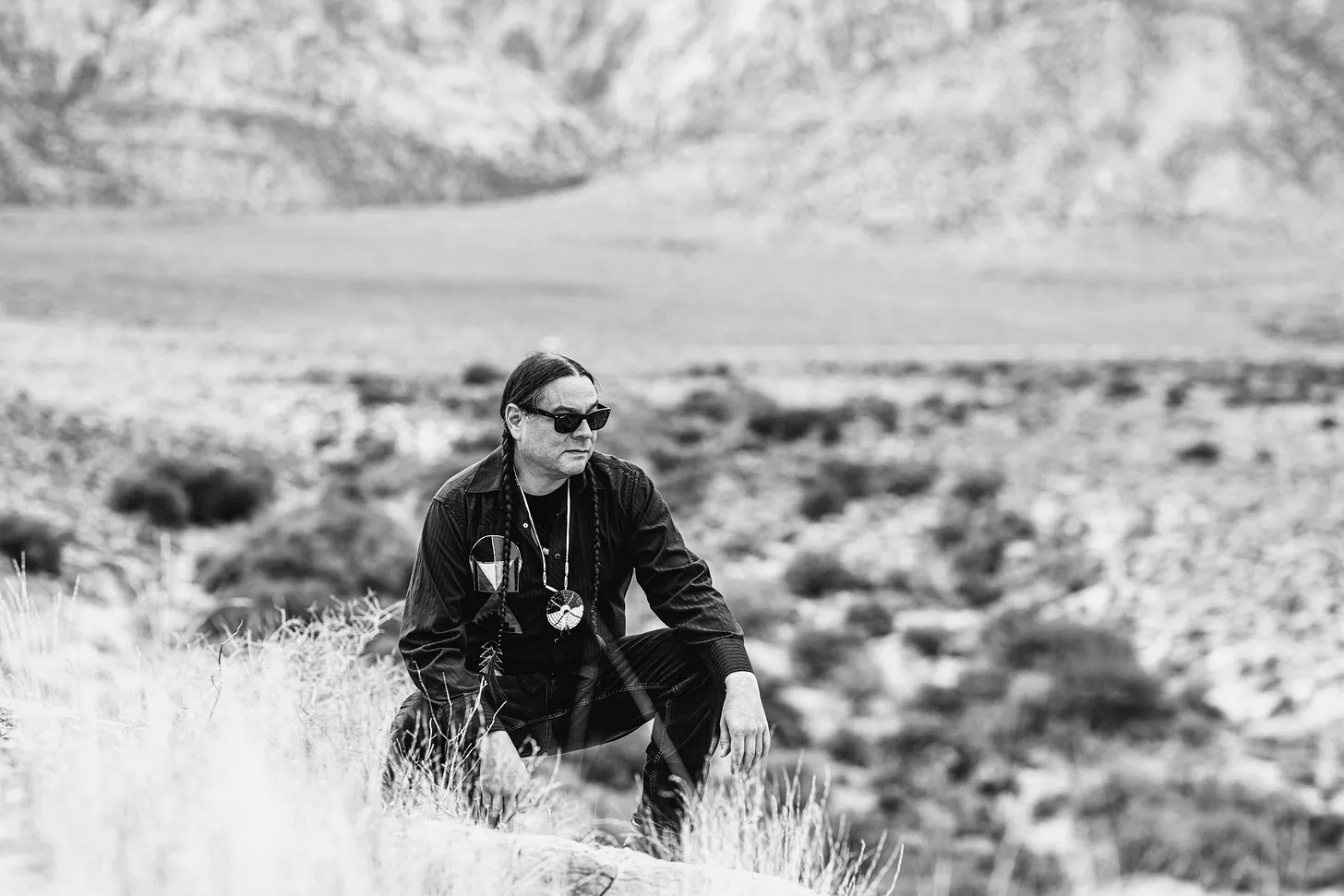
Your History Class Was a F*cking Lie by Sean Sherman (Or: How the American Educational System Has Always Been a Racist Propaganda Program...





 Posts
All Comments
Posts
All Comments


