


Cherokee Film Helps Bring Indigenous Perspectives to Ken Burns’ ‘The American Revolution’
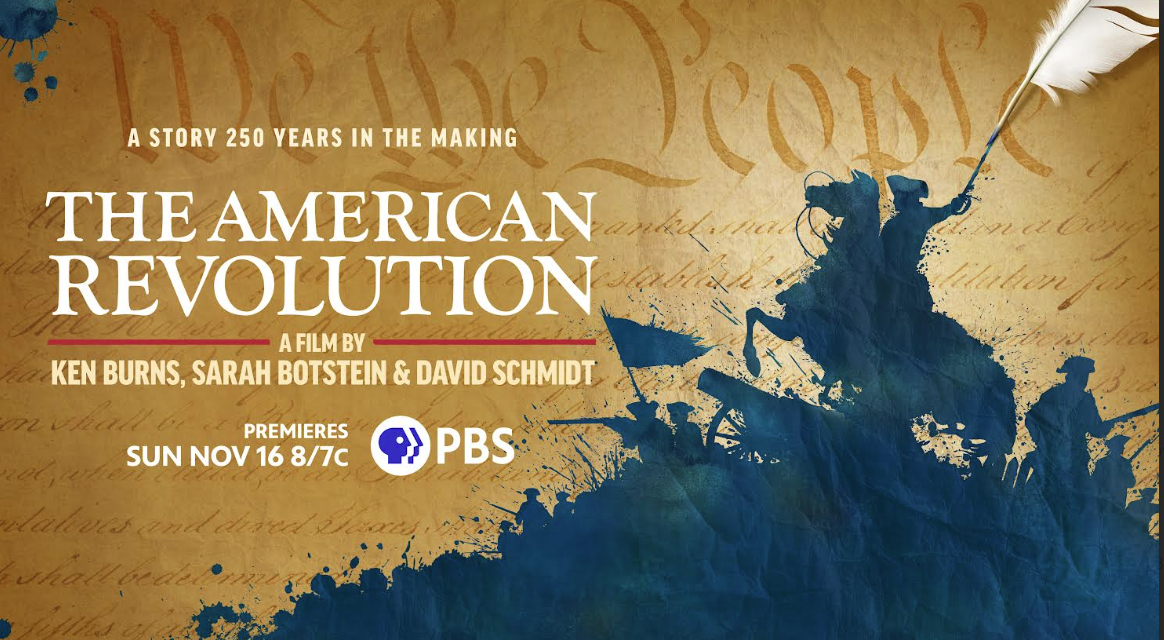
(Photo/Cherokee Nation)
- By Levi Rickert
As the nation observes Native American History Month, Cherokee Film is inviting audiences to revisit the country’s beginnings through a more inclusive lens — one that recognizes the deep role of Indigenous nations in shaping early America.
That story unfolds in The American Revolution, a sweeping new documentary series from Ken Burns, Sarah Botstein and David Schmidt, premiering Sunday, Nov. 16, on PBS stations nationwide. The six-part, 12-hour series airs over six consecutive nights, offering a panoramic look at the nation’s eight-year War for Independence and the birth of the United States.
The project has been nearly a decade in the making, timed to coincide with the 250th anniversary of the war’s first battles in 1775 — a year before the signing of the Declaration of Independence.
“American Indian history is central to the story of the American Revolution,” Burns said. “We have been working with Native people and nations, including the Cherokee Film Office, since the start of editing to make sure we get that story right.”
Throughout the series, the filmmakers delve into the far-reaching consequences of the Revolution — not only for the 13 colonies but for the Indigenous nations whose homelands became the contested ground of a new republic.
“The American Revolution was a war for the future of North America,” Schmidt said. “The choices Native people and nations made during the war reflect careful consideration of how they could best protect their own sovereignty and independence.”
Cherokee Film Senior Director Jen Loren served as an advisor for the production, helping ensure that Indigenous voices and perspectives were woven authentically into the storytelling.
“This film sheds light on pivotal moments in our nation’s history and thoughtfully includes the stories of many Indigenous people and nations,” Loren said. “At Cherokee Film, we commend this production’s commitment to inclusive and accurate storytelling and look forward to audiences experiencing it.”
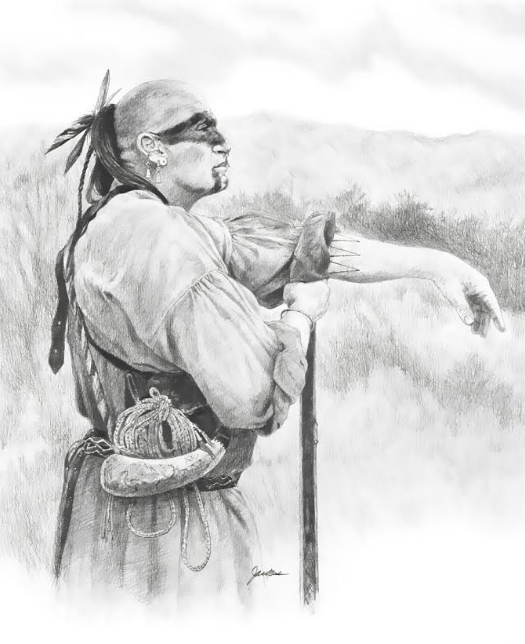
Among the Indigenous nations featured are the Anishinaabe, Chickasaw, Cherokee, Creek Confederacy (Muscogee), Delaware (Lenape), Mohawk, Seneca and Shawnee. Their leaders and warriors — including Tsiyu Gansini (Dragging Canoe), Thayendanegea (Joseph Brant), Solomon Uhhaunauwaunmut, Canassatego and Tecumseh — stand at the heart of the series’ exploration of diplomacy, conflict and resilience.
For the filmmakers, capturing those stories was essential to understanding the Revolution as a truly continental event.
“The story of the American Revolution belongs to everyone,” Botstein said. “And we owe it to the people who lived through it to tell that story faithfully.”
The full series will be available to stream beginning Sunday, Nov. 16, at PBS.org and on the PBS App, available on iOS, Android, Roku streaming devices, Apple TV, Android TV, Amazon Fire TV, Samsung Smart TV, Chromecast and VIZIO. Additional production details are available here.







 Posts
Posts


No comments:
Post a Comment
Please: Share your reaction, your thoughts, and your opinions. Be passionate, be unapologetic. Offensive remarks will not be published. We are getting more and more spam. Comments will be monitored.
Use the comment form at the bottom of this website which is private and sent direct to Trace.