They Took Us Away

They Took Us Away
click image to see more and read more

it's free

click

How to Use this Blog

BOOZHOO! We've amassed tons of information and important history on this blog since 2010. If you have a keyword, use the search box below. Also check out the reference section above. If you have a question or need help searching, use the contact form at the bottom of the blog.


We want you to use BOOKSHOP to buy books! (the editor will earn a small amount of money or commission. (we thank you) (that is our disclaimer statement)

This is a blog. It is not a peer-reviewed journal, not a sponsored publication... WE DO NOT HAVE ADS or earn MONEY from this website. The ideas, news and thoughts posted are sourced… or written by the editor or contributors.

EMAIL ME: tracelara@pm.me (outlook email is gone) THANK YOU CHI MEGWETCH!

SEARCH

Showing posts with label Coleen Cardinal. Show all posts

Tuesday, March 19, 2024

I had no idea what being Native was

REBLOG FROM 2018 - she explains how the Class Action in Canada was not working!


We applaud Colleen! She's our hero!

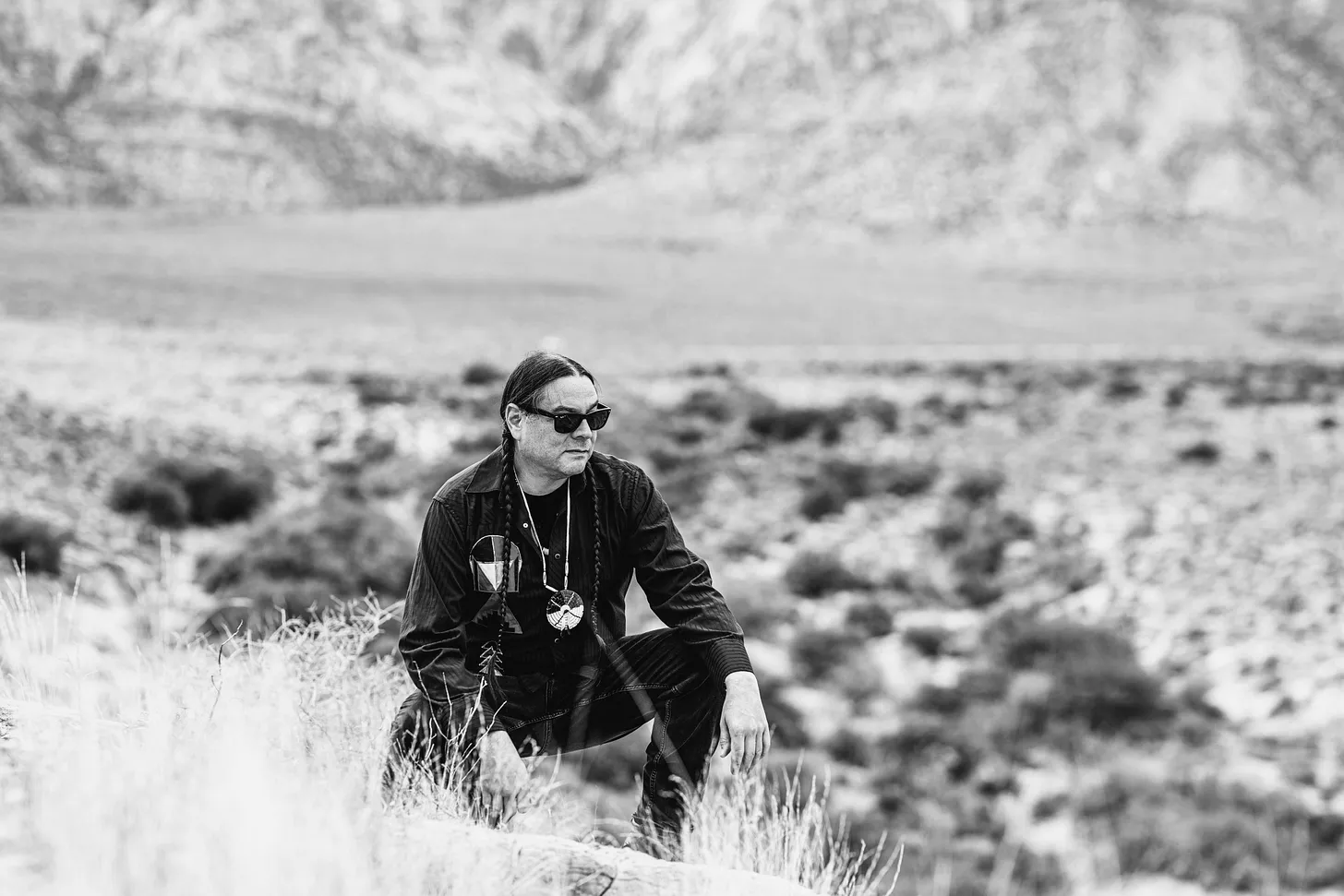
Colleen Cardinal is a mother, author, and survivor of the Sixties Scoop. She joins us this week to talk about how she perceived being Indigenous as a child, intergenerational trauma, and how Canada has failed to address its past treatment of Indigenous peoples. [Episode 17 Transcript]


Monday, February 5, 2024

Canada: Support for Adoptees | Stronger Than the Scoop

Campaign seeks to support ’60s Scoop survivors

Educating the public about the lasting impacts of the ’60s Scoop on Indigenous individuals and families is the mission behind the Southern Chiefs’ Organization’s newest education and awareness campaign.

“It is essential we recognize the lasting impacts of the ’60s Scoop on Anishinaabe and Dakota citizens,” Jerry Daniels, grand chief of the Southern Chiefs’ Organization (SCO) said in a press release sent out on Jan 17.

The campaign, called “Stronger Than the Scoop,” will honour and care for survivors of the ’60s Scoop and their families.

The Scoop saw the removal of Indigenous children from their communities, families and cultures from the 1960s to the ’80s. An estimated 20,000 to 40,000 First Nation, Métis and Inuit children were removed from their families and communities by the federal government and adopted out into non-Indigenous households.

According to the University of British Columbia, the ’60s Scoop began because the federal government started to phase out sending Indigenous children to residential schools in the 1950s and ‘60s, though the practice continued for decades.

The government, however, deemed many Indigenous families “unsuitable” to care for their children, and soon provinces were legislated to be able to use child protection services to remove Indigenous children from their families.

Indigenous Foundations, a group out of British Columbia, says that children who grew up in conditions where their identity was suppressed and where they were abused often eventually experienced psychological and emotional problems that sometimes didn’t emerge until later in life when they learned the truth about their roots.

“We often talk about resilience when it comes to our peoples, and that certainly applies to those who survived the ’60s Scoop,” Daniels said, calling it another dark chapter in what was an “epidemic” of child apprehension which started with residential schools. “We need to acknowledge the systemic harm and generational trauma that was caused and do what we can to help with healing.”

Chief Gordon Bluesky of the Brokenhead Ojibway First Nation, 298 kilometres northeast of Brandon, extended his gratitude to the national Sixties Scoop Healing Foundation of Canada for providing support to raise awareness of the impact of the Scoop, he said.

“I am pleased and proud to see SCO create this campaign to help bring awareness to this practice that continues to impact our citizens. It is essential that all citizens in Canada learn the truth about the practice and the ongoing impact of the ’60s Scoop,” Bluesky said.

The SCO is focusing the campaign on survivors of its member nations.  The organization represents 34 Anishinaabe and Dakota nations in southern Manitoba, and more than 85,500 citizens, its website states.

The SCO held an upcoming Survivors’ Healing Gathering in Winnipeg the week the press release was sent out, which featured keynote speaker Colleen Cardinal Hele, the executive director of the National Indigenous Survivors of Child Welfare Network and ’60s Scoop survivor.

A virtual sharing circle for survivors was held on Jan. 25, and this month, a sharing circle for survivors will take place in Brandon on Feb. 10.

While the damage done by the Scoop remains, the SCO is committed to doing all it can to help survivors and their families regain their languages, cultures and identities, Daniels said.  He also put a call out for all Canadians to learn about the ’60s Scoop and the effect it had on Indigenous people so that they can help the SCO and other organizations do everything they can to help those impacted on their healing journeys.

“To our survivors: I see you and I honour you for what you have experienced. I stand with you as you move forward on your healing journeys,” Daniels said.

SOURCE:  https://www.pentictonherald.ca/spare_news/article_eec89e81-3ae0-58e1-80be-1ceaeda3536b.html

Wednesday, March 23, 2016

Q&A with Filmmaker Colleen Cardinal #60sScoop

Q&A with Filmmaker, Colleen Cardinal

sixties scoop imageQ. Why did you embark on this project?

A: There needs to be an awakening in Canada to the realities of Indigenous peoples—especially us telling our own stories to raise awareness, educate and support our own healing journeys. My lived experiences include being caught up in a deliberate attempt at cultural genocide—death by social policy.  When I first learned there were thousands of adoptees that went through similar experiences of cultural loss, loneliness and abuse as I did, I wanted to support them and make sure their stories were validated and shared.

Q: What is your connection to the 60s Scoop?
A: In the early 1970s, when my two sisters and I were very young, we were taken away from our biological parents and placed in foster homes.  We were adopted into a non-Indigenous household in Ontario, three thousand miles away from our homeland, our people, our language and anything vaguely familiar to our Cree culture.  Life was difficult in our new home; we dealt with isolation, racism and sexual and physical abuse for many years.  All three of us had run away by the time we were fifteen-years-old.  Eventually we all found our way back to Alberta (Cardinal, 2012).

Q: Who else is involved with this documentary?
A: Several 60’s Scoop survivors and survivor advocates, as well as my son.
We will share what it was like to grow up in non-Indigenous families, without their culture, language, lands, identity and relations.  This deliberate attempt at assimilation of Indigenous people in Canada and enforced federal policy through Children’s Services or Children’s Aid Societies left the survivors feeling disconnected from themselves and their people.  Robert Commanda will also lend his voice and insights about a class action lawsuit against the Ontario provincial government that he has been fighting in the courts for the past four years.  The documentary will also include my son Sage Hele, who will speak about how inter-generational trauma, abuse and discrimination shaped his own life.  I am grateful to those involved with this project for their resilience, passion and openness to sharing their stories and healing journeys.

Q: What questions do you want this project to answer?
A: The most important question to be addressed is how Canadian government 60’s Scoop policies affected Indigenous people’s lives.  I would like to highlight the very high number of Indigenous children who were “scooped” away from their families and communities.  It’s important for Canadians to see that the social issues covered by the media are a direct result of these policies to eradicate Indigenous people in Canada.

Q: Why is this documentary so important NOW?
A: I feel this is important because of the growing need for understanding, awareness and education for mainstream Canadian audiences.  The Idle No More movement and the resurgence of Indigenous culture and awareness has Indigenous people asking questions and awakening their need to reclaim their identity.  I also feel this documentary needs to be shared so that other 60’s Scoop survivors know they are not alone.

Q: What support do you need in order to make this project a reality?
A: I need Indigenous and non-Indigenous people to share the project within their social and professional networks to raise awareness, financial and in-kind donations for our project work. Donations will go towards equipment rentals, transportation costs and honorariums for artists featured in the the documentary.

SOURCE

Happy Visitors!

NEW WEB ADDRESS

Because we don't want to lose information on this blog, we now have a domain name: American Indian Adoptees.com - click and save this link:

2026: WE HAVE A BACK UP BLOG COMING SOON: www.americanindianadoptees.blog (on wordpress) We are no longer on Facebook. We deleted our accounts.

WRITTEN BY HUMANS!

WRITTEN BY HUMANS!

Blog Archive

Featured Post

Your History Class Was a F*cking Lie | #NOMOAR

  Your History Class Was a F*cking Lie by Sean Sherman (Or: How the American Educational System Has Always Been a Racist Propaganda Program...


Native Circles

Native Circles
click logo for podcasts!

Most READ Posts

Bookshop

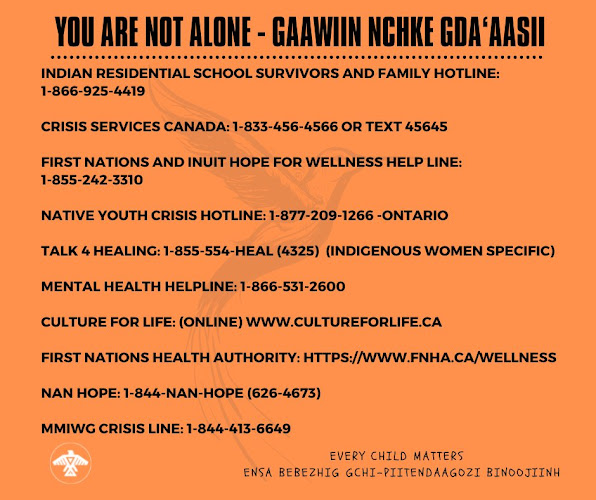
You are not alone

You are not alone

To Veronica Brown

Veronica, we adult adoptees are thinking of you today and every day. We will be here when you need us. Your journey in the adopted life has begun, nothing can revoke that now, the damage cannot be undone. Be courageous, you have what no adoptee before you has had; a strong group of adult adoptees who know your story, who are behind you and will always be so.

Diane Tells His Name


click photo

Lost Birds on Al Jazeera Fault Lines

Lost Birds on Al Jazeera Fault Lines
click to read and listen about Trace, Diane, Julie and Suzie

NO MORE STOLEN SISTERS

NO MORE STOLEN SISTERS
click image

ADOPTION TRUTH

As the single largest unregulated industry in the United States, adoption is viewed as a benevolent action that results in the formation of “forever families.”
The truth is that it is a very lucrative business with a known sales pitch. With profits last estimated at over $1.44 billion dollars a year, mothers who consider adoption for their babies need to be very aware that all of this promotion clouds the facts and only though independent research can they get an accurate account of what life might be like for both them and their child after signing the adoption paperwork.

Original Birth Certificate Map in the USA

Google Followers