


By Erin Jimenez | November 9, 2024 (US ARMY)
Native Americans hold a deep belief that everything possesses a spirit. Imagine this: you’re strolling along the serene banks of a USACE-managed river or lake when something catches your eye, jutting up from the earth. Curiosity piqued, you momentarily forget your walk and approach it. As you kneel down, your fingers gently disturb the soil, and after a little digging, you uncover an arrowhead. Excitement surges as you think of how amazing it will be to share this treasure with your friends and family. You tuck it into your pocket, convinced that since it’s just one arrowhead — and there are surely more where it came from — taking it home is harmless. But in reality, you may be disturbing something far more significant.
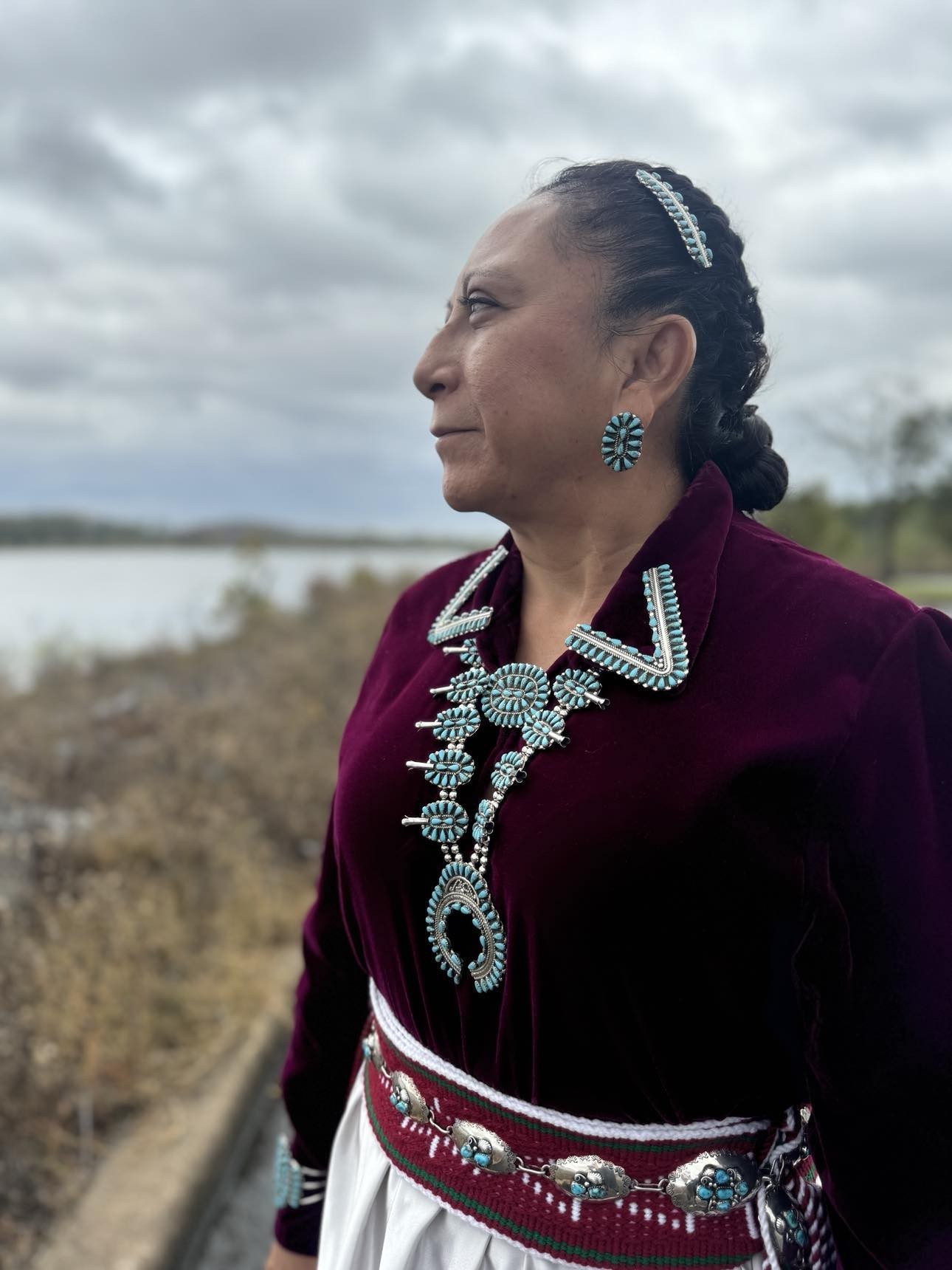
“When someone digs up and loots these artifacts, they are taking away a part of our heritage. These objects are created with a spirit and purpose; they hold significant meaning,” said Casandra Beaver, a member of the Navajo Nation and Administrative Assistant with the U.S. Army Corps of Engineers, Little Rock District. (ABOVE)
Digging for and stealing artifacts and remains from prehistoric Native American and historic archaeological sites is a serious issue that disrespects cultural heritage and threatens invaluable historical knowledge.
The theft and vandalism of these sites, particularly on government property, is a growing concern that demands urgent action. Each artifact carries a story, a connection to the past, and taking them diminishes our understanding of history. It's essential to respect these sites and preserve their integrity for future generations.
Many people may not realize that digging up artifacts is not only illegal but also deeply disrespectful, as it can disturb human burials and sacred sites.
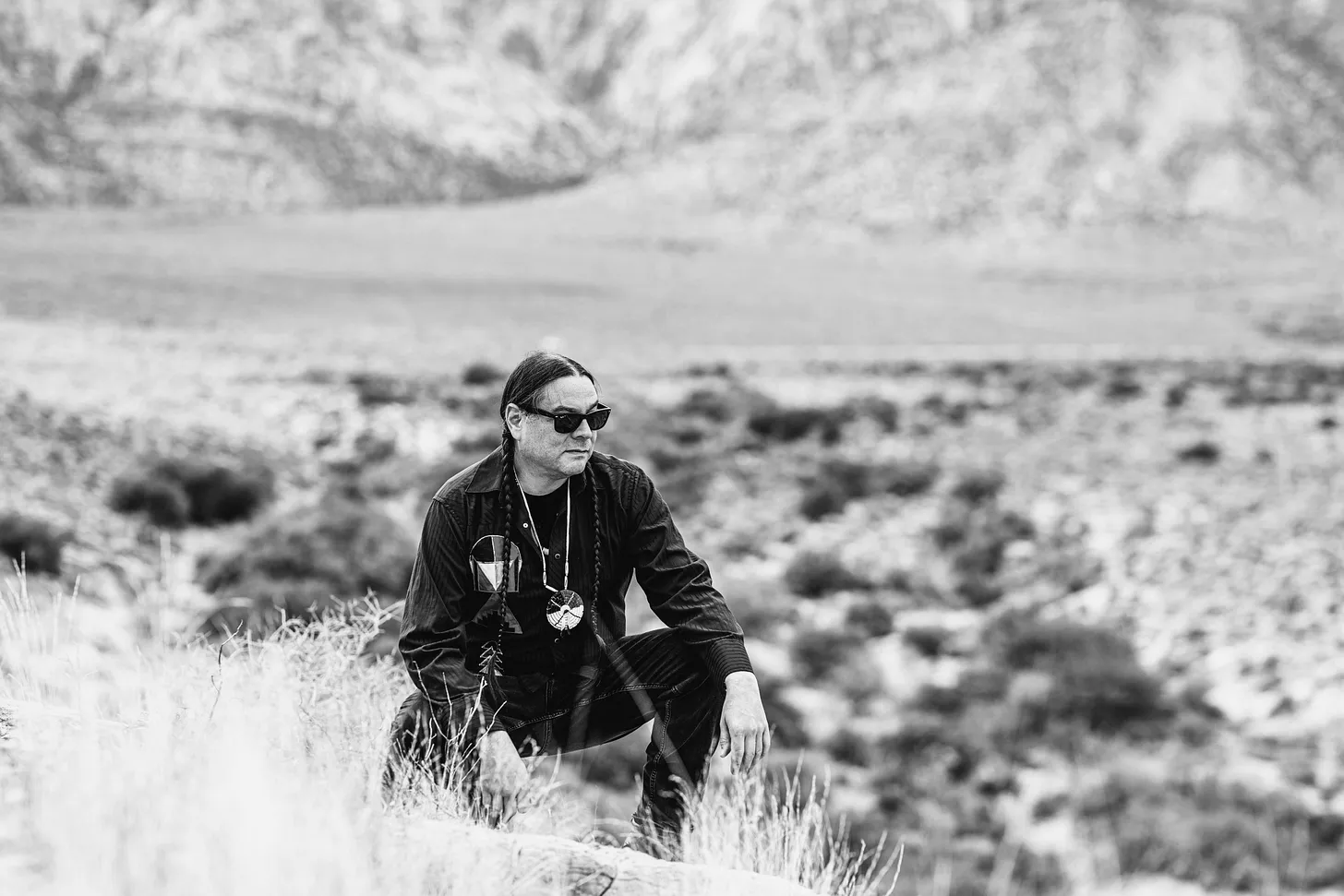
“Just as it is unacceptable to search for artifacts in a cemetery or to steal sacred objects from a church altar, we must emphasize that the same unethical methods are employed to obtain pottery, woven items, jewelry, arrowheads, knives, and even human remains that some looters choose to display in their collections,” said Billie Burtrum, Tribal Historic Preservation Officer for the Quapaw Nation. “The Quapaw Nation fully supports the prosecution of looting and grave robbery, as these actions violate cultural heritage and displace the historical significance of the items taken.”








 Posts

