


What “Stolen Land” and Land Back Actually Mean
SOURCE: https://juliefrancella.substack.com/p/we-are-not-going-to-evict-you-what?r=cbskx&utm_campaign=post-expanded-share&utm_medium=post%20viewerA caller to our radio show was furious. He said he was sick and tired of Indigenous people saying we are living on stolen land.
I understand why that phrase makes people defensive. They hear it as a personal accusation. They think: I didn’t steal anything. I bought my home. My grandparents came here after all of that happened. What exactly do you want from me?
But that reaction often misses what Indigenous people are actually saying.
When we say “you are on stolen land,” we are not saying that every person alive today personally stole a home, or that we want to knock on people’s doors and force them out. We are naming the foundation this country was built on: Indigenous lands were taken through removal, violence, broken treaties, fraud, confinement, and laws written to make theft look legal.
That is history. But it’s also the present.
“Legal” does not mean just.
A lot of people assume that because land is owned legally today, the question is settled.
But legal systems can be built to make injustice look legitimate.
The United States did not simply expand into “empty land.” It removed Native nations from territories that invaders and governments wanted. The Indian Removal Act of 1830 created the legal machinery for pushing Indigenous people west of the Mississippi. The Cherokee removal in 1838–39—the Trail of Tears—was carried out by the U.S. government, and approximately 4,000 Cherokee people died during that forced displacement.
That is a documented policy of making Indigenous land available by removing Indigenous people.
And removal was not the only strategy. The federal government also confined Native nations to reservations, violated treaties, and divided collectively held Indigenous lands through the allotment system. Under allotment, land deemed “surplus” was sold to non-Native settlers. Native landholdings dropped from 138 million acres in 1887 to 48 million acres by 1934.
So yes, someone can hold a valid deed today. That does not erase the chain of events that made the deed possible.
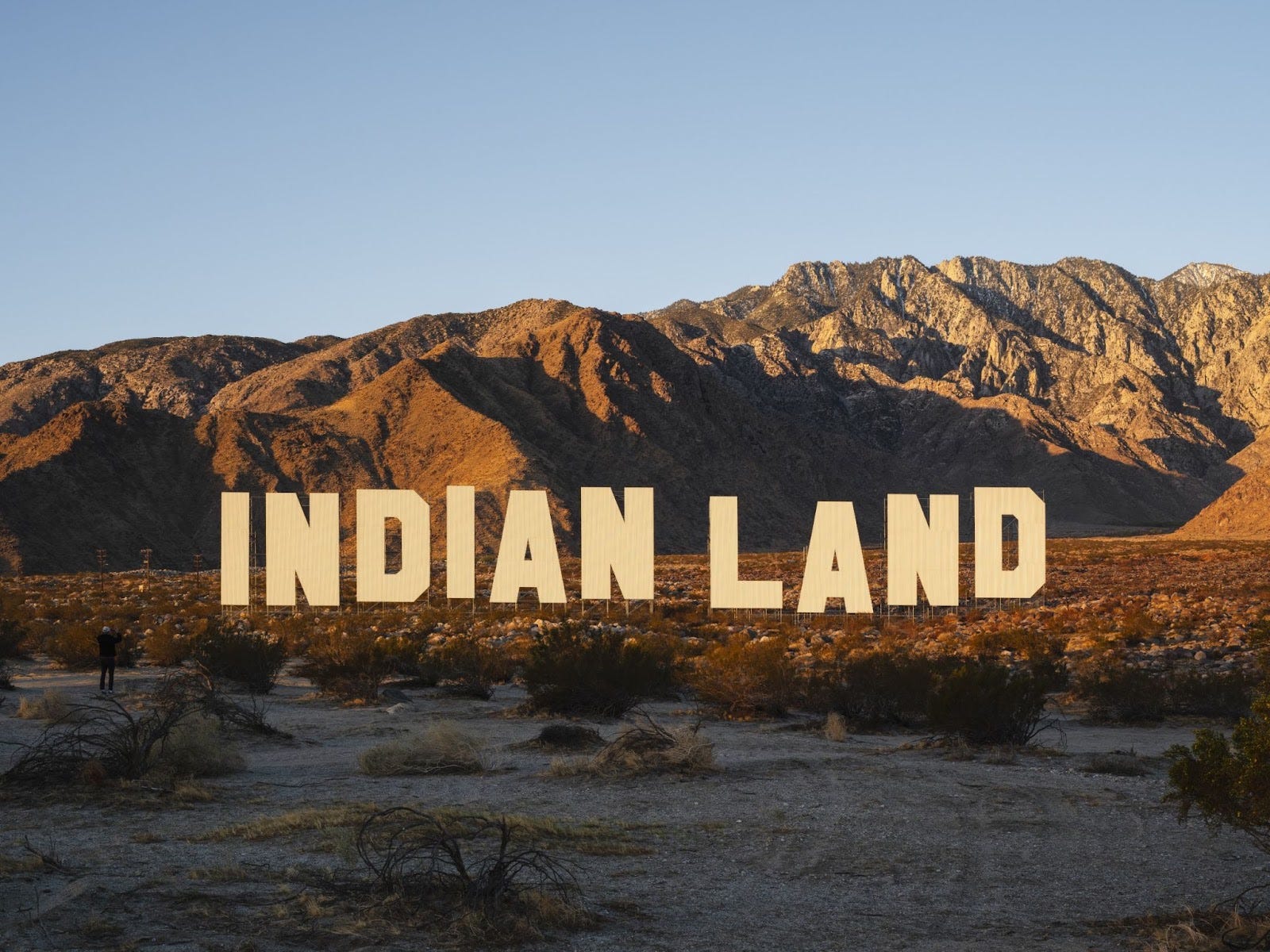
Not every Indigenous nation has the same history, and we should not flatten hundreds of nations into one story. As I always say, we are not a monolith.
But when Indigenous people call land “unceded,” they are making a specific point: the original Indigenous nation did not surrender, sell, or legally sign away that territory to the Crown (Canada) or the government (USA).
Much of British Columbia, Canada, is unceded territory. About 95 percent of the province, including Vancouver, was never covered by treaties that transferred First Nations land to the Crown. The City of Vancouver acknowledges that it is located on the unceded ancestral territories of the Musqueam, Squamish, and Tsleil-Waututh Nations.
Ottawa, Canada is located on unceded Algonquin Anishinaabe territory. Large areas of British Columbia, Quebec, eastern Ontario, and Atlantic Canada have unresolved or unceded Indigenous land questions.
Here in New York City, we are in Lenapehoking—the homeland of the Lenape people. That does not mean we can reduce a complex history to a slogan “You are on Stolen Land”. It means we should know whose homeland this was and is, and understand that the Lenape did not disappear just because settlers drew new borders and wrote new property laws. Pratt Institute in Brooklyn identifies its location as the traditional and unceded homeland of the Lenape.
So does the Metropolitan Museum of Art.
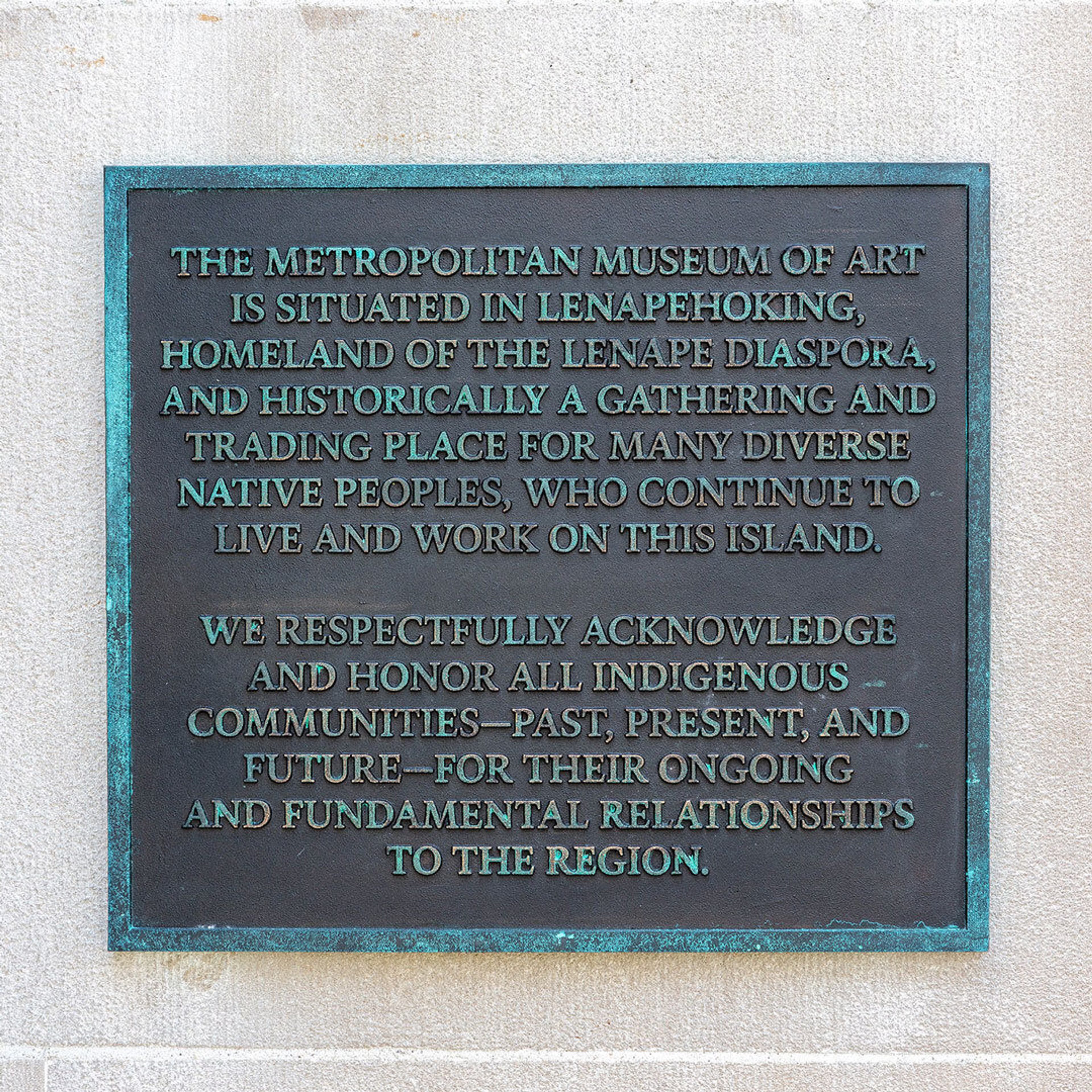
Then there is the argument people make when they want the conversation to end quickly: But treaties were signed so the land issues were settled.
Yes, treaties were signed. But treaties were also broken, manipulated, ignored, and discarded when Indigenous land became profitable.
Look at the Black Hills.
The Fort Laramie Treaty of 1868 recognized the Black Hills as part of the Great Sioux Reservation. Then gold was found. The United States took the land anyway. In 1980, the Supreme Court ruled that the federal government’s action amounted to a taking that required compensation.
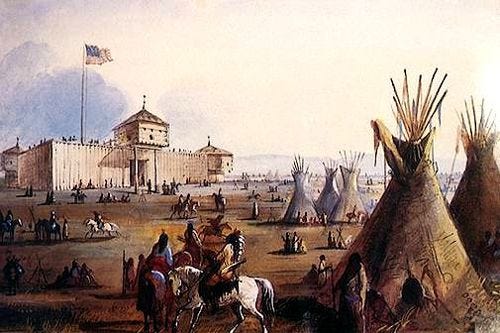
The government took land in violation of its own agreement, and more than a century later, the country’s highest court recognized that the taking was unlawful. Stolen land!
Another thing people may not understand is that many Indigenous peoples hold a different worldview about money, ownership, and wealth.👇










 Posts

