They Took Us Away

They Took Us Away
click image to see more and read more

it's free

click

How to Use this Blog

BOOZHOO! We've amassed tons of information and important history on this blog since 2010. If you have a keyword, use the search box below. Also check out the reference section above. If you have a question or need help searching, use the contact form at the bottom of the blog.


We want you to use BOOKSHOP to buy books! (the editor will earn a small amount of money or commission. (we thank you) (that is our disclaimer statement)

This is a blog. It is not a peer-reviewed journal, not a sponsored publication... WE DO NOT HAVE ADS or earn MONEY from this website. The ideas, news and thoughts posted are sourced… or written by the editor or contributors.

EMAIL ME: tracelara@pm.me (outlook email is gone) THANK YOU CHI MEGWETCH!

SEARCH

Showing posts with label Suzette Brewer. Show all posts

Thursday, September 28, 2017

Reporting on Sex Trafficking | Suzette Brewer's Important Work

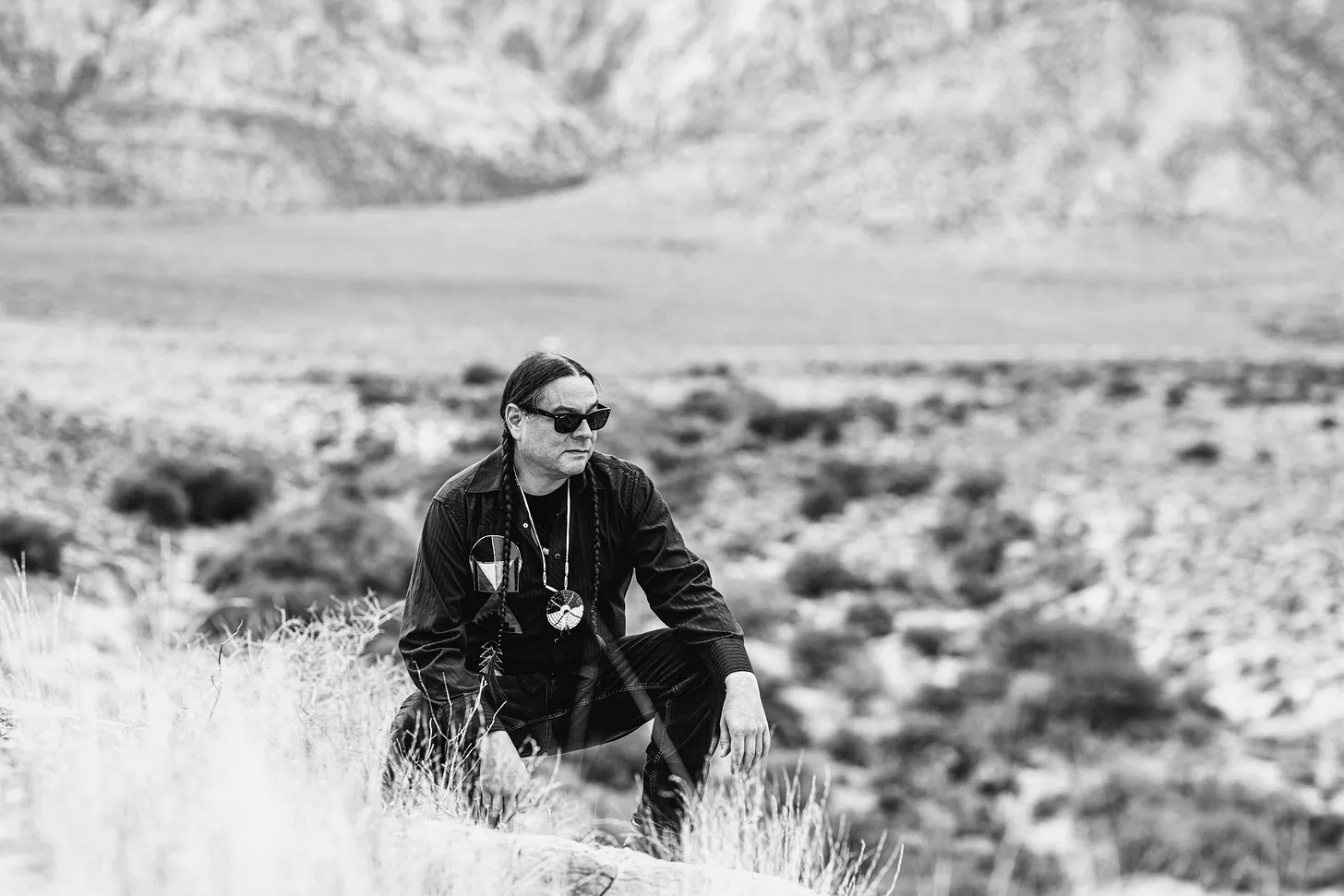
Suzette Brewer

Suzette Brewer specializes in federal Indian law and social justice issues, having written extensively on the Indian Child Welfare Act, the Supreme Court and the environment for Indian Country Today Media Network. Her published books include Real Indians: Portraits of Contemporary Native Americans and America’s Tribal Colleges and Sovereign: An Oral History of Indian Gaming in America.

All Work

Tuesday, April 5, 2016

Critical time for #ICWA


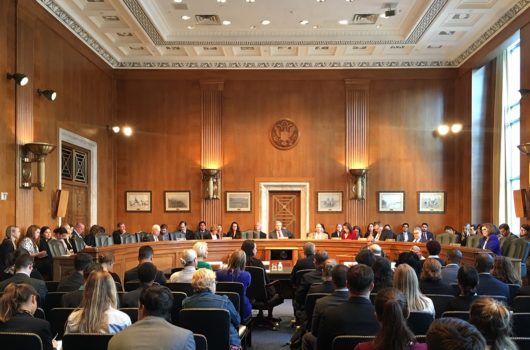
nicwa-panel
Photo by Suzette Brewer: Hillary Tompkins, Solicitor General at Interior, Lawrence S. Roberts, Acting assistant secretary for BIA, Commissioner Raphael Lopez from the Administration on Children, Youth and Families; and Sam Hirsch, deputy assistant attorney general for the Department of Justice are seen at the opening session of the 34th annual National Indian Child Welfare Association.

Federal Agencies Launch Initiative to Support the Implementation and Enforcement of ICWA

4/4/16
Today at the opening session of the 34th annual National Indian Child Welfare Association in St. Paul, Minnesota, acting Assistant Secretary for the Bureau of Indian Affairs Lawrence S. Roberts announced an interagency memorandum of understanding (MOU) in collaboration with the Departments of Justice and Health and Human Services to ensure compliance with and implementation of the Indian Child Welfare Act.

Calling for more robust enforcement and compliance with ICWA, the three federal agencies were joined this morning by Minnesota Governor Mark Dayton, Congresswoman Betty McCollum (D-Minnesota), and St. Paul Mayor Chris Coleman in support of the federal law, which has recently come under attack by the adoption industry seeking to overturn the 38-year-old federal statute.

“This MOU marshals the appropriate focus and resources of Interior, Justice and HHS to ensure that Congress’s intent in protecting Indian children and families is carried out,” said Roberts. “We want to assure Indian families and tribal leaders that the Obama Administration’s dedication to ICWA’s goals remains an enduring policy for Indian country. Focused implementation and compliance of ICWA protects Indian children and families, strengthens the social fabric of tribal communities, and ensures that tribes are able to serve their citizens for generations to come.”

According to the BIA, the purposes of the MOU are fourfold: To establish the continued commitment of the three partner agencies regarding the importance of ICWA and its implementation for the health and well-being of Indian children, families, and communities; to formally establish the ICWA Interagency Workgroup to promote the purposes of ICWA and the agencies' mutual interests in ensuring implementation and compliance; and to promote communication and collaborative efforts in federal activities that support ICWA implementation and compliance; and to establish structures and procedures to ensure that the Workgroup operates effectively and efficiently.

“This is a critical time for ICWA given the unprecedented attacks on the statute, which goes to the heart of Congress’ authority to pass legislation regarding tribes and Indian people,” said Sam Hirsch, the principal deputy assistant attorney general for the DOJ, in his remarks to the NICWA general assembly. “We are handling lawsuits that challenge the constitutionality of ICWA itself, as well as the BIA guidelines interpreting the statute. Importantly, these cases could potentially have repercussions for other laws regarding Indian tribes and their members. The popular press accounts have a similar theme. In those accounts, there is no recognition of the sovereignty of tribes, of the significance of tribal citizenship or the legal, moral framework that underpins federal policy in this area. This portrayal of ICWA is grossly distorted.”

According to the BIA, each federal agency will designate the appropriate components or subcomponents to participate in the Workgroup. Additionally, other federal agencies may participate in the activities of the Interagency Workgroup as appropriate and, with the written agreement of all then-current permanent members, may also become permanent members by signing on to the MOU.

“We know from the federal Adoption Foster Care Analysis Reporting System (AFCARS) that American Indian/Alaska Native children are disproportionately represented in most child welfare systems nationally at two times their population rate and as much as 10 times in state systems―that is unacceptable,” said Raphael Lopez, Commissioner of the Administration on Children, Youth and Families (ACYF). “These are data points that tell the story of our children. They tell the story of our families, they tell the story of America. It is often not the easiest to hear, but important to squarely name and engage in issues of race and class and culture and politics that we must struggle with every day to make this work.”

Lopez said the ICWA Interagency Workgroup is an important step in aligning Congress’ intent in passing ICWA with the force of federal agencies to support its continued enforcement. Additionally, he said that, for the first time since ICWA was passed in 1978, the AYCF will begin specifically collecting data under the AFCARS system on the well-being of American Indian/Alaska Native Children.

“Why does this matter? Because it will be able to tell us exactly what is happening to every child across the country,” said Lopez. “We know that ICWA is the best practice, we know it is the gold standard. It is the law and we are going to enforce it.”
Addressing the recent firestorm of controversy surrounding the return of a Choctaw Nation tribal member to her relatives in Utah by the Los Angeles County DCFS, acting Assistant Secretary Roberts said that while foster families are deserving of respect for the work they do in providing temporary homes to children in state custody, that this was a standard reunification case that is the law in most states across the country.

“This was a reunification of a child with her family and two sisters, which is a very common objective among the courts in over 35 states,” said Roberts, who is also an attorney. “This was not national news, so it is unfortunate that these folks want to use a 6-year-old girl to spin their narrative, in which they ignore the facts and do not follow the law. So it’s important to protect the privacy of our children while we continue to share the facts and the law. This child is with her family and ICWA supported that.”

Read more at http://indiancountrytodaymedianetwork.com/2016/04/04/federal-agencies-launch-initiative-support-implementation-and-enforcement-icwa-164026?platform=hootsuite

Sunday, December 13, 2015

VICTORY!!! Federal Judge Dismisses Anti-ICWA Suit


TWO WORLDS, first person narratives of adoptees before ICWA
By Suzette Brewer | ICT 12/11/15


On Thursday a federal judge in the Eastern District of Virginia dismissed a suit challenging both the constitutionality of the Indian Child Welfare Act and the new federal guidelines that were implemented last February by the Bureau of Indian Affairs, citing a lack of subject matter jurisdiction and standing in the case.

Last May, the Alexandria, Virginia-based National Council for Adoption (NCFA) and Surprise, Arizona-based Building Arizona Families (BAF), filed suit against Secretary of the Interior Sally Jewell and Assistant Secretary – Indian Affairs Kevin K. Washburn, claiming that ICWA “violates the birth parents’ rights to due process under the Fifth Amendment by interfering with their ability to direct the upbringing of their ‘Indian’ children.”

The complainants, represented pro bono by Washington, D.C., attorney Lori Alvino McGill and her husband Matthew McGill, also took issue with the new guidelines saying that they impose “significant” burdens on state agencies and adoption firms in seeking to place Indian children with ICWA-compliant homes. The guidelines, which do not carry the force of law, were published in the Federal Registry in February after a vigorous collaboration between the tribes and the federal government to improve compliance and enforcement of the federal statute enacted in 1978 to protect the cohesion of Indian families.

But United States District Judge Gerald Bruce Lee dismissed the suit, ruling among other things, that the plaintiffs lack standing; the guidelines are not subject to trial because they do not create legal rights and obligations; the guidelines are non-binding; and that the guidelines “do not commandeer” state entities. Additionally, Judge Lee held that the plaintiffs had not demonstrated any authority to support their claims under due process, equal protection or the Indian Commerce Clause.

According to legal experts across the country, the ruling was significant because the court not only dismissed on a lack of standing, but also addressed the merits of the case in explicit detail. For example, even if guidelines were legally binding on state courts, Judge Lee ruled that neither the guidelines, nor ICWA violated any of the claimed constitutional rights asserted by the plaintiffs.

“[The dismissal] is a big win for ICWA and Indian country,” said Chrissi Nimmo, Senior Assistant Attorney General for the Cherokee Nation, the nation’s largest Indian tribe. “The Court found that the adoption industry plaintiffs failed to put forth a ‘plausible’ claim, and reiterated the long standing legal precedent that laws based on tribal membership are not race-based and instead apply because of the unique political status of tribal members.”

The National Indian Child Welfare Association (NICWA), who had submitted an amicus brief in the case, also applauded the decision.

“We’re pleased at the outcome of this case. The court resolutely rejected not simply the National Council for Adoption and others’ standing, but more significantly, the court rejected the very foundation of their constitutional arguments,” said Dr. Sarah Kastelic, executive director of NICWA.

“Because their constitutional arguments are very similar to those in the other coordinated federal court litigation brought forth by well-resourced, anti-ICWA opponents, it bolsters our belief that these cases will also be found without merit, and that our Native children will continue to benefit from the hard-fought protections that ICWA affords.”

Please visit Indian Country Today Media Network for continued coverage of the Indian Child Welfare Act.
Follow Suzette Brewer on Twitter @suzette_brewer

Read more at http://indiancountrytodaymedianetwork.com/2015/12/11/federal-judge-dismisses-anti-icwa-suit-162743
 
Related:  BIA Releases New ICWA Guidelines
Related: War of Words: ICWA Faces Multiple Assaults from Adoption Industry 

Friday, July 24, 2015

NAJA Honors ICTMN’s Suzette Brewer for ICWA Investigations


Vincent Schilling Photo. Brewer prefers asking the questions rather than answering them.

Vincent Schilling | 7/22/15| INDIAN COUNTRY TODAY MEDIA
 
Investigative journalist Suzette Brewer (Cherokee Nation) brought great honor to Indian Country Today Media Network when she received the 2015 NAJA Richard LaCourse/Gannett Foundation Al Neuharth Investigative Journalism Award on July 11, and took home a check for $5,000. The award recognizes “groundbreaking investigative work by a journalist or a team that creatively uses digital tools in the role of community watchdog.”

Brewer, who specializes in Federal Indian Law and the Indian Child Welfare Act, has also written for other national publications and written several books. She has served as the public affairs officer for the Smithsonian's National Museum of the American Indian, and as communications director for the National Indian Gaming Association and the American Indian College Fund.

Brewer, who says she has “sat all by myself in my hobbit hole, at cafes, restaurants, on the floor in airport terminals, in my car and at truckstops,” to do her groundbreaking reporting, confessed that she was a little nervous about doing this Q&A. She explained that she much prefers asking the questions rather than answering them.

How did you first get your start as a Native journalist?
I went to the University of Mississippi, which publishes The Daily Mississippian. It's one of the few universities in the country that still publishes a daily newspaper. I began writing a weekly column for them back in college. It was great training, because in an op/ed you only have 650-850 words to make your point. It forces you to economize and think about how to convey your argument with maximum impact… Which is ironic, since now I'm primarily known for long, expository writing and multi-part series.

How have times progressed over the years for Native journalists?
I think Native journalism is reaching a new level of both exposure and expectation, a kind of "Golden Age," if you will, in terms of the audiences we reach and the subjects we are now able to cover. Because of the Internet, our stories are being read and viewed all over the world. It has also become much easier to research a topic more thoroughly than back in the old days, when you had to scroll through hours and hours of 'microfiche,' dusty old law books and had to search hard copy phone books for contact information, etc. I started out with a manual typewriter and white-out and had to mail stories in to my editors, wait for them to get it and then wait for edits, etc. Thank god those days are over. I much prefer technology.

The ability to research anything at any time also denies our sources the opportunity for what T.S. White called "prevaricated fabrication." With digital media, the ability to embed primary source information into your story is becoming, in my opinion, crucial. Now, if someone is complaining about something they say they didn't say, I just embed a link to the speech or letter into my text. It's very handy.

What was your most memorable story?
I’ll say two: Baby Veronica and the Oglala v. Van Hunnik story out of South Dakota.

What are your views on your work regarding the Indian Child Welfare Act?
When I saw the headline, "Supreme Court to Hear American Indian Adoption Case" in January 2013, I knew the basic framework of the Indian Child Welfare Act, but not much about the case itself. But I knew, the second it came across the transom, that it had the potential to rock the foundation of modern tribal life in America. And I am sad to say that it has.

The last two and a half years have been a journey of stamina and discovery – for all of us as Indian people. I don't think anyone could have predicted just how deeply emotional and important the Indian Child Welfare Act has become to rank-and-file tribal members since 2013. Before Veronica, none of us thought that much about what was happening in family courts across the country. Now, there is vigilance and a genuine concern for what has been happening in the last 30 years. Adult adoptees have come forward in droves to heal and share their experiences; families have testified about the terrible effects of what happens when ICWA is not followed; tribes are galvanizing in an unprecedented way to stand up to a very powerful industry that has signaled its intent to overturn this important legislation.

One final thought. Indian people truly love their children. You cannot go anywhere in Indian country, to any gathering or event, and not see children running around. People bring their kids with them everywhere they go. To say that "Indians are a danger to their kids" is a terrible defamation of the parents who work so hard to raise their children every day. To honor them, I – and many other people – are committed to preserving the fabric of our communities.

It's an all hands on deck kind of situation right now.

How does it feel to be the recipient of the Richard LaCourse Award?
I'm still kind of in shock. I had seen something the week before the announcement about an award that Dennis McAuliffe Jr., had won, and for some reason I had the impression he was the winner of this award, and thought, 'Oh, nice. Good for him.' And I didn't think anything more about it, because that's not why I do what I do. But a week later Chris Napolitano [Creative Director for ICTMN] sent me a text that said something about "Jana," but I didn't have my glasses on, so I called him thinking it was about one of my sources, and he said, 'Hey, you won!'  It was shocking to say the least. As always, I was scrambling on deadline, so I was completely blown away.

My first thought was my parents, both of whom were tribal members.

What would you say to young Native journalists who desire to get into this field?
Two things: 1. Do it because you love it; and 2. Now's the time. It's the best time ever to be a Native journalist. With technology, you can be on the moon and file a story (assuming you have a good wifi connection up there), so go do it. We have so many stories to cover in Indian country, from land issues, health care, sports, the arts, policy decisions, education, infrastructure, and so on. There will never be a lack of subject matter. And we have an obligation to tell those stories, not only for our people, but so the rest of the world can see what's happening in our communities. It's a constant education.

Anything you would like to add?

I have to thank all of the people in Indian country and beyond who have very bravely stepped forward in the last two years to tell their stories, share information, and bring daylight to what can be a very dark subject matter. I am constantly aware of the fact that 50 percent of the Native population in the United States is under the age of 18. Therefore, it is to the hundreds of thousands of adult adoptees and Indian children who continue to be removed from their homes and communities that I dedicate this award.

Read more at http://indiancountrytodaymedianetwork.com/2015/07/22/naja-honors-ictmns-suzette-brewer-icwa-investigations-161154

SHE is my hero! I want to congratulate my friend Suzette for this NAJA honor. I knew Richard LaCourse and he'd be honored that Suzette won... Trace (who has her own NAJA awards.)

Thursday, July 9, 2015

War of Words: ICWA Faces Multiple Assaults From Adoption Industry


PHOTO: Emily Spartz/Argus Leader.  Retired South Dakota Senator James Abourezek, the original author of the Indian Child Welfare Act, is seen here in 2013 in Sioux Falls, South Dakota.


Suzette Brewer | 7/8/15 | INDIAN COUNTRY TODAY MEDIA

Yesterday the Phoenix, Arizona-based Goldwater Institute announced the filing of A.D. v. Washburn in the United States District Court for the District of Arizona, a class-action lawsuit challenging the constitutionality of the Indian Child Welfare Act based on their contention that the federal legislation “discriminates against Native children.” Secretary of the Interior Sally Jewell, Assistant Secretary for the Bureau of Indian Affairs Kevin Washburn, and Gregory McKay, director of the Arizona Department of Child Safety (DCS) have all been named as defendants in the case.

The suit is being filed on behalf of “all off-reservation Arizona-resident children with Indian ancestry in child custody proceedings and the foster, pre-adoptive or prospective adoptive parents of these children,” according to the organization’s press release. “This case will not impact current or future cases that involve children or parents living on a reservation where a tribal court has jurisdiction; it will change the law so that state courts and agencies cannot discriminate against Native American children.”

Washburn marks the third major legal challenge to the 38-year-old federal law since the Bureau of Indian Affairs published new ICWA guidelines in the Federal Registry in February of this year, followed by the agency’s declared intention to seek a federal rule, which would make the statute more enforceable on state courts and social service agencies.

“While we have not yet reviewed the filing, we understand that a lawsuit challenging ICWA was filed yesterday. In matters in litigation, we will speak primarily through our briefs in court, but I want to assure the public that we will defend the Indian Child Welfare Act,” said BIA assistant secretary Washburn in a written statement. “Nearly 40 years ago, Congress determined that Indian children were being treated unfairly in the context of foster care and adoption. Congress determined that ‘an alarmingly high percentage of [Indian] children’ were subjected to ‘unwarranted’ removal from their homes and that a federal law was needed to protect Indian children. This law has been an important feature of the legal landscape for many years now and we firmly believe that the protection of the best interests of Indian children continues to be important today.”

According to the suit, the plaintiffs are seeking declaratory and injunctive relief against “certain provisions of ICWA and the accompanying BIA guidelines” on behalf of “A.D.,” a 10-month-old baby girl who is an enrolled member of the Gila River Indian Community. Another child plaintiff is a 4-year-old boy who is a member or eligible for membership in the Navajo Nation. The birth parents of both children have had their parental rights terminated by the state and both children reside off-reservation in Arizona. The Navajo Nation, as outlined in the brief, has repeatedly attempted to find ICWA-compliant homes for the boy—all of which were rejected by the state as “inappropriate” placements. If not for the Indian Child Welfare Act, according to the brief, the boy would already be in a permanent home under “race-neutral” Arizona law.

“When an abused child is removed from his home and placed in foster care or made available for adoption, judges are required to make a decision about where he will live based on his best interest. Except for Native American children. Courts are bound by federal law to disregard a Native American child’s best interest and place him in a home with other Native Americans, even if it is not in his best interest,” said Darcy Olsen, president of the Goldwater Institute in the organization’s press release. “We want federal and state laws to be changed to give abused, neglected or abandoned Native American children the same protections that are given to all other American children: the right to be placed in a safe home based on their best interests, not based on their race.”

But the original author of the Indian Child Welfare Act, retired South Dakota Senator James Abourezk, took the Goldwater Institute to task for their attempt to overturn one of his signature legislative achievements during his time in the United States Senate. Ironically, Abourezk’s late friend and colleague Senator Barry Goldwater actually voted in favor of ICWA when it was approved by the Senate in 1977.

“I knew Barry Goldwater—he was my friend and often came to me for advice on most tribal matters,” said Abourezk from his home in Sioux Falls, South Dakota. “I wish he were alive to see this travesty because he would never approve of it and you can quote me on that and make sure you emphasize the word ‘never.’”
Tribal leaders, their legal teams and ICWA advocates across the country seem universally opposed to the litigation. They view with skepticism adoption practices in the United States, and the economic factors and profits at play.

“The Native American Rights Fund is closely following the lawsuits filed in Virginia, Minnesota, and now Arizona,” said NARF staff attorney Matthew Newman. “What is abundantly clear is that these lawsuits are part of a coordinated, well-financed attack on the rights of tribal nations to protect their children. It is open season on the Indian Child Welfare Act.”

“At this point it is pretty clear that anti-ICWA advocates, who primarily represent adoption interests, have started a coordinated attack on ICWA,” said Kate Fort, Staff Attorney and Adjunct Professor for the Indigenous Law and Policy Center at Michigan State University College of Law. “They are looking for cases of opportunity in courts across the country by inserting themselves and trying to make the same constitutional arguments against ICWA. But this lawsuit will absolutely hurt vulnerable children and families in our state child welfare systems. Their claims that ICWA’s protections are substandard is simply not true. ICWA’s standards are considered the gold standard of child welfare practice. To say these lawsuits to dismantle ICWA are in the best interest of the child is really contrary to what is considered best practices by child welfare professionals.”
Stephen Pevar, senior counsel for the American Civil Liberties Union, says the whole point of enacting ICWA was to end decades of unnecessary removals of Indian children from their homes and communities.

“Congress held years of hearings [before enacting ICWA] and many Indians who were victims of state foster care cases testified,” said Pevar. “Based on that testimony and other research, Congress found that it is in the best interests of Indian children to be raised in an Indian home except in extraordinary circumstances. Therefore, the Goldwater Institute is wrong in saying that Congress overlooked the ‘best interest’ standard. Instead, Congress accepted that standard and concluded that there’s a presumption that it’s in the best interest of Indian children to be raised in an Indian home. In addition, the Supreme Court has already rejected the notion that ICWA creates racial discrimination when it imposes minimum federal standards on state courts in their handling of Indian child custody cases.”

But ICWA has come under assault in courts all over the country in the last several months, say legal experts, in states unwilling to deviate from the “business-as-usual” approach, in which an average adoption can bring anywhere from $40,000 to copy00,000 in fees and costs for private adoptions, depending on various factors, including living expenses for the birth mother.

In May, for example, Washington, D.C.-based attorneys Lori McGill and her husband, Matthew McGill, filed suit in federal court in Virginia seeking to challenge the new BIA guidelines which they believe impose “federalism” on state courts regarding the adoption of Indian children. Mrs. McGill, who played a key role in Adoptive Couple v. Baby Girl in 2013, told the National Law Journal in May that she gets emails on a weekly basis “from lawyers and adoptive parents telling me how ICWA is ripping their families apart.”

That same month, the Oklahoma Court of Civil Appeals openly dismissed the new BIA guidelines in a case involving a 4-year-old Cherokee girl who had been placed in a non-Indian foster home during emergency proceedings in 2013. At the time, an ICWA-compliant home was not available, though a year later the tribe filed a motion to transfer the girl to a Cherokee family that the tribe had located. In ordering the girl to stay with her foster parents over the tribe’s objection, the court’s contempt for the new guidelines was palpable.

“The BIA guidelines’ intentional disregard of these factors results in a one-size-fits-all approach to the placement of children with any tribal affiliation,” the judges wrote. “That result may bear little resemblance to what is really in the child’s best interests, despite the self-serving pronouncements of the BIA guidelines.”

In June, adoption attorneys representing tribal parents in Minnesota filed another suit, Doe v. Jesson, in which they argued the Minnesota Indian Family Protection Act (MIFPA) violates constitutional due process in requiring notice of adoptions to the tribe. On Monday, however, the Minnesota District Court denied a preliminary injunction based on state law requiring notice to tribes. The Court ruled that the MIFPA posed no threat of irreparable harm to the two tribal plaintiffs in complying with notice requirements. The tribe in the case, the Mille Lacs Band of Ojibwe, have declined to intervene.
But today’s litigation, say observers, strikes at the heart of not only of the Indian Child Welfare Act, but also the keystone of tribal sovereignty as a whole: The right of Indian tribes to determine their own membership and raise their children in their home communities.

“Using tragic stories to try to destroy the constitutionality of ICWA is not appropriate. As we know from Morton v. Mancari, Native status is a political identity not racial or ethnic, so laws that give any type of Indian preference or preferential treatment are not in violation of the equal protection clause,” said Victoria Sweet, a program attorney for the Reno, Nevada-based National Council of Juvenile and Family Court Judges. “It’s ironic that [the Goldwater Institute] would argue that Native children get less protections when they actually get more and it is disingenuous to suggest otherwise when the reality is clearly the opposite. We are not yet at a point where the initial purpose of ICWA has disappeared. We still need this law. It still protects Native children.”

“It’s 38 years later and I still get mail from Indian people who tell me how important this legislation is,” said Abourezk. “The tribes need to mount a unified attack against this lawsuit because it’s good law and what they’re doing is wrong. It would be an enormous tragedy to see them overturn it.”

RELATED: War of Words: ICWA Hearings Reignite Ancient Clash Over Indian Children, Part 1

Read more at INDIAN COUNTRY TODAY

Friday, May 22, 2015

War of Words: ICWA Hearings Reignite Ancient Clash Over Indian Children, Part 1

ICWA Hearings Melissa Clyde Nevaeh
(Suzette Brewer photo) Melissa Clyde, Navajo Nation, attended the hearings in Albuquerque with her 18-month-old daughter, Nevaeh Asdzaan Atsa Woods.

5/21/15
John Echohawk had heard enough. On May 14, he had listened with growing irritation to lawyers representing the American Academy of Adoption Attorneys (AAAA) denigrate the recently published guidelines and proposed rule for the Indian Child Welfare Act in front of the very people who had authored them.

As the founder of the Native American Rights Fund, Echohawk had flown to Tulsa to provide his comments in the standing-room-only ballroom at the Marriott. Hundreds of Indian people, tribal leaders, ICWA workers and lawyers from across the country had converged on Tulsa for the sixth—and largest—public hearing conducted by the Bureau of Indian Affairs in anticipation of the agency updating and enforcing the provisions of the 37-year-old federal statute.
John Echohawk, founder and executive director of the Native American Rights Fund, provides testimony on the new ICWA rules in Tulsa on May 14. (Courtesy Frank Duncan)
John Echohawk

Throughout the day, one after the other, witnesses on both sides had pulled back and forth in a tug-of-war regarding perhaps the most seminal issue confronting American Indian tribes in the 21st century: The right to raise their own children in their home communities.

The debates at the public hearings reopened old grievances and unhealed wounds at the core of an ongoing conflict over Indian children that has been raging for more than 500 years. Beginning with the Spaniards, who landed in the West Indies in the late 15th century, Indian tribes have been at war over possession of their children with one power after another—including the British, the French, the Dutch and the United States—ever since.

For nearly a year, many of the people attending these public hearings had worked in near-unprecedented solidarity with tribal nations across the country and numerous Indian child welfare organizations to submit comments and suggested changes to the new guidelines before they were published by the Bureau of Indian Affairs in February.

In March, Assistant Secretary for the BIA Kevin Washburn took it a step further by announcing the agency’s intention to seek a federal rule that would make ICWA binding, rather than “legally persuasive”—which allowed social service agencies, adoption attorneys and state court judges to bypass the law at their discretion since the passage of the ICWA in 1978.

The period for public comment concluded at midnight Monday, after which the BIA began the process of evaluating and analyzing testimony and written comments before publishing the final rule in the Federal Registry later this year. The rule will then become codified into the Code of Federal Regulations.

As the hearing in Tulsa got underway, adoption attorneys lined up at the microphone. Among their complaints: Indian parents and tribes “never” show up in court to intervene in ICWA foster cases; the BIA does not have authority to enact regulations; the BIA failed to “consult” the adoption industry; Indian children with low blood quantums should not be eligible for ICWA; that being forced to attend the hearings was subjecting the adoption attorneys to a “hostile environment,” that the hearings were only held “east of the Mississippi;” the postage costs required by the rule are too expensive, and so on.
A number of people testified at public hearings on ICWA. (Courtesy Frank Duncan)

All of these claims were refuted by tribal witnesses, in perhaps one of the most contested rulemaking procedures in the history of Indian affairs. Tribal attorneys and ICWA workers said their intervention on behalf of their children in state courts across the country is routinely met with irritation by family court judges and social services, if not outright contempt. Often, they said, judges and social workers make it as difficult as possible for tribes to locate and reclaim their children. The emergency temporary custody hearings, they said, are often perfunctory and dismissive of ICWA and its provisions and are the point of permanent departure for many Indian kids.

In many cases, the tribes argued, they are never given notification that one of their children is in the system. “We can’t help a child we don’t know about,” said one.

By this point, John Echohawk was seething. Stepping to the microphone, he ripped the adoption industry for not only their lack of knowledge about Native people, but their inability to grasp the fundamental reasons ICWA was enacted in the first place.

“Since the Native American Rights Fund was organized 45 years ago, we have been involved in thousands of cases across the country which involve our sovereignty, our homelands and our culture. Some have been Indian child welfare,” he said, his voice rising in an uncharacteristic show of public anger. “I support the proposed rule because ICWA enables us as tribal governments to protect our children to stop their wholesale removal. But in my opinion, the biggest problem we face as Indian people is the ignorance on display by social services, lawyers, state judges—and yes, even Supreme Court justices.”
The growing conflict between the tribes and the adoption industry had been brewing for years and came to a head during Adoptive Couple v. Baby Girl in 2013. But it flared anew earlier this year after the Bureau of Indian Affairs published the guidelines in February. The AAAA immediately issued a press release on March 12 crying foul.

Last Wednesday, in advance of the final public hearing in Tulsa, the AAAA issued another press release challenging the BIA’s authority to engage in rulemaking, saying that the proposed changes “are contrary to the best interests of Indian children, Indian parents, and will only foster increased litigation and constitutional challenges.”

According to their website, the American Academy of Adoption Attorney is a not-for-profit organization comprised of attorneys, judges and law professors throughout the United States and Canada whose mission is to “protect the interest of all parties to adoption,” including “legislative efforts to amend ICWA and establish federal protections for birth parents.”

For tribal nations, their legal teams and many Indian child welfare professionals, however, the industry complaints are only new insofar as the organized ground game employed to forfend any changes to a business structure by an aggressive, well-funded industry. According to market research giant, IBISWorld, for example, adoption in the United States is a big business, pulling in some copy4 billion a year with a projected annual growth of nearly 10 percent, as approximately 150,000 children a year are placed for adoption.

Meanwhile, Russia, India and other countries including China, Vietnam, Guatemala and Nepal have either banned, temporarily halted, or severely restricted adoptions to the U.S. due to ongoing concerns around corruption, coercion and baby-selling, as well as the growing practice of “re-homing” adopted children to new homes with little or no oversight.

Several tribal lawyers felt the AAAA’s claims were disingenuous, at best. In its March 12, 2015 press release, the AAAA charged the new guidelines were published “in what appears to be a purposeful effort to bypass input from our Academy,” and that it was “stunned by the lack of due process.” However, as far back as April 15, 2014 the Academy was participating in the process as evidenced in a seven-page letter (click here to see the full letter in PDF form) that former AAAA president Donald Cofsky wrote to the Bureau of Indian Affairs with comments and proposed changes to the guidelines.
“[The new guidelines] were not a ‘surprise.’ It was public knowledge and everyone in the industry, Indian and non-Indian alike, knew the guidelines were being revised,” said one tribal lawyer who declined to be identified because the process is still underway. “But their strategy has always been to engage in equivocation and tergiversation in order to maintain the status quo, because any changes represent a loss of profit to their bottom line. So our message is very direct: The adoption industry doesn’t care about our Indian kids, all they care about is money. And that’s fairly transparent.”

Throughout the process, the Academy has insisted that court proceedings should weigh the “best interests” of the child, including “attachment and bonding” with prospective parents, which has been de-emphasized under the new proposed guidelines and rule. Bonding, the industry says, is not simply a legal mechanism used to override ICWA, but a guiding principle followed by its members.
The tribes, however, maintain that the standard operating procedure among the states is to unnecessarily hold Indian children as “hostages” in state custody for months on end—only to claim the child had “bonded” with their foster family to clear the way for termination of parental rights and formal adoption. Lengthy foster stays, they testified, merely allows “possession by estoppel,” a legal mechanism designed to cleave and hew Indian children from their families and tribes.

“Powerful Interests Have Surrounded Us”
Dr. Evelyn Blanchard is a member of the Laguna Pueblo of New Mexico and has been working in the field of Indian child welfare for over 50 years. A grandmother and tribal elder, Blanchard was one of the first Indian women in the country to earn a doctorate and has worked with tribes across the U.S. and Canada to establish and codify their child welfare laws. Additionally, she has worked with several states to implement best practices in the promulgation of ICWA.
Dr. Evelyn Blanchard, Laguna Pueblo provided comments and testimony at the BIA ICWA hearings in Albuquerque on May 5. (Suzette Brewer)

She says ICWA has always faced opposition from the social service and private adoption industries, but she is now deeply concerned about the aggressive campaign to undermine it. “These are powerful interests that have surrounded us because of an underlying assumption that Indian kids would be better off being raised outside their communities,” Blanchard told ICTMN. “I’ve worked in this field a long time and I can tell you theirs is an everlasting belief that Indians are not worthy. But it is my position that what constitutes ‘best interest’ of our children is not in sync between the Western and Native mind-sets. We talk a lot about historical trauma, but the trauma is happening now. We have to stand up and say, ‘No more.’”

Blanchard attended the public hearings in Albuquerque earlier this month. In her testimony, she recounted a recent case in which two tribal children had been seized by New Mexico’s Children, Youth and Families Department (CYFD) and separated into two non-Indian foster homes 250 miles away, over their grandmother’s fierce objections. After what Blanchard described as a cursory investigation, CYFD said it had engaged in “reasonable efforts” to place the children in an ICWA-compliant home.

“Their idea of ‘reasonable efforts’ in this case is completely insufficient,” said Blanchard. “There was a unilateral decision made regarding their emergency placement and that’s what happens when so much is left to individual discretion, which is compounded when you have social workers out in the boonies. But the way the guidelines are written you don’t have to engage in placement efforts until after they have been seized—but it has to happen immediately.”

At press time, CYFD had not responded to ICTMN’s request for a response to Blanchard’s presentation.

Because so many Indian children wind up in lengthy stays in non-Indian foster homes, Blanchard has been watching Oglala v. Van Hunnik in South Dakota, a case which has gained national attention for violations of state and federal law by social workers and judges in the initial “48-hour” hearings in that state. In April, a judge in the Eighth Circuit recently issued a summary judgment in favor of the tribal plaintiffs because of the overwhelming evidence against the state. The defendants, however, have asked the Eighth Circuit to reconsider its ruling, which is still pending. ICWA experts say that the outcome in that case could redefine and enforce ICWA at its most critical stage: The emergency custody hearing, at which the fate of thousands of Indian children is decided each year.

“Tribal Values are Inferior”
For tribal nations, support of ICWA is not only about upholding and enforcing a nearly 40-year-old law, but also a crucial defense of the rights of Indian children and the battle to guarantee the survival of the nations themselves. To that end, the Navajo Nation and the Cherokee Nation of Oklahoma, the two largest Indian nations in the United States, have stepped forward as the proposed rule’s most vocal proponents.

Chrissi Ross Nimmo, assistant attorney general of the Cherokee Nation, gave the formal testimony on behalf of the tribe in Tulsa. “I think it’s important that this committee and that the executive branch know that when we hear about children being forcibly removed from their families, that this is not just historical accounts,” said Nimmo. “This is not the boarding schools, this is not the state and federal government-supported adoption plans [of the 50s and 60s]. This is modern day and [Baby Veronica] is but one example of hundreds and thousands of children every year that are being taken away from their families and their tribes.”

In their written comments to the BIA, the nation was more blunt: “[They] embrace the idea that tribal families and tribal value systems are inferior to the families and values of the dominant culture,” said the Cherokee Nation. “These people brutalize tribal children and tear Indian families apart, and then portray themselves as the protectors for children’s rights...It is sometimes appalling, 38 years after the passage of ICWA, the comments that we still hear from state employees, attorneys and even Judges. We see what works when the spirit, purpose and letter of ICWA is followed and we see the tragedies that occur when it is not followed.

This week, however, in a significant blow to the AAAA’s position, the 400,000-member strong American Bar Association, the National Council of Juvenile and Family Court Judges, the American Civil Liberties Union and the Casey Foundation all co-signed their support of the new ICWA regulations, along with hundreds of law professors, tribal representatives and Indian child welfare experts from across the country.

Sharon Begay-McCabe, a tribal court advocate, prosecutor and former director of the Navajo Nation Division of Social Services, discussed the gravitas of the challenge facing Indian tribes during the rulemaking process.

“Children want to know who they are and where they’re from and I think children who are raised knowing who they are have a much higher chance of success in life,” she told ICTMN after the hearing in Albuquerque. “The Navajo Nation supports this effort because we continue to have problems with the states that don’t follow the law. There needs to be enforcement and penalties so we can ensure that that ICWA is followed, because when it’s not, it hurts the child, the family, the community and the tribe as a whole. We can no longer tolerate this type of tribal destruction.
“Children,” she said, “are a gift from the holy people and there’s no price you can put on them.”

The Bureau of Indian Affairs concluded the period for public comment at midnight on May 19. According to BIA spokeswoman Nedra Darling, formal analysis of data and comments will begin and the final rule is expected later this year.

Please visit ICTMN next week for War of Words: Part 2

Read more at http://indiancountrytodaymedianetwork.com/2015/05/21/war-words-icwa-hearings-reignite-ancient-clash-over-indian-children-part-1-160454

Tuesday, March 31, 2015

South Dakota Tribes Win Federal ICWA Case, Oglala Sioux v. Van Hunnick

This is important, a true victory and it won't be the last...Trace


The 45 page order granting partial summary judgment is HERE, with a judgment order granting injunctive and declaratory relief forthcoming in May.
The court finds that Judge Davis, States Attorney Vargo, Secretary Valenti and Ms. Van Hunnick developed and implemented policies and procedures for the removal of Indian children from their parents’ custody in violation of the mandates of the Indian Child Welfare Act and in violation of the Due Process Clause of the Fourteenth Amendment to the United States Constitution.
The case directly addressed section 1922 emergency removal standard of evidence and return of the child; and due process claims at those emergency hearings (48-hour hearing) of notice, the right of parents to present evidence, to cross-examine witnesses, attorney representation, and a decision based on evidence at that hearing.
Among many other things, the judge addresses both the old and new Guidelines (which specifically mentioned this case):
A simple examination of these administrative materials should have convinced the defendants that their policies and procedures were not in conformity with ICWA § 1922, the DOI Guidelines or the Guidelines promulgated by the South Dakota Unified Judicial System. Indian children, parents and tribes deserve better.
The order grants summary judgment on  the ICWA violations AND the Due Process ones:
Judge Davis and the other defendants failed to protect Indian parents’ fundamental rights to a fair hearing by not allowing them to present evidence to contradict the State’s removal documents. The defendants failed by not allowing the parents to confront and cross-examine DSS witnesses. The defendants failed by using documents as a basis for the court’s decisions which were not provided to the parents and which were not received in evidence at the 48-hour hearings.
This is amazing–congratulations and many thanks to all involved. Especially to the families.

Monday, March 30, 2015

Indian Country Braces for Battle With Adoption Industry Over ICWA Guidelines

Suzette Brewer | Indian Country Today
Kevin Washburn BIA
Bureau of Indian Affairs
Last month, Assistant Secretary for the Bureau of Indian Affairs Kevin Washburn announced the release of new guidelines in the Federal Register to ensure that state and federal courts comply with the statutes set forth in the Indian Child Welfare Act.
3/30/15

Last month, Assistant Secretary for the Bureau of Indian Affairs Kevin Washburn announced the release of new guidelines in the Federal Register to ensure that state and federal courts comply with the statutes set forth in the Indian Child Welfare Act. Prior to publishing the guidelines, the BIA held five public listening sessions across the country that were attended by hundreds of tribal members, judicial organizations and child welfare professionals. The BIA also received hundreds of written comments from interested parties across the country, nearly all of whom requested strengthening and updating the language in the guidelines.

Two weeks later, on March 12, the American Academy of Adoption Attorneys (AAAA) fired back with its own press release expressing its outrage that the BIA had published the guidelines without input from its membership. In a statement from AAAA, president Laurie Goldheim, accused the Bureau of Indian Affairs of “a purposeful effort to bypass” its membership, even though the department had publicly worked on gathering input for over a year.

“The federal government’s unwillingness to hear from those groups who have been in the field for many years working directly with those families and children who will be negatively impacted by these guidelines is alarming,” said Goldheim. “As a nonprofit organization comprised of child welfare experts, we are committed to the ethical practice of adoption law. It is our mission to support and advocate for the rights of families and to consider the interest of all parties, especially children. Sadly, there are entire sections of the newly published BIA guidelines that completely disregard the best interest of children.

“We are shocked by the process by which these guidelines were promulgated and published,” she continued, “and the blatant failure to provide legal protections for children, especially children who are in the foster care system.”

Many Indian child welfare advocates across the country, however, say that the organization’s emotionally-charged response was ill-considered, considering that the BIA went out of its way to seek input in meetings that were promoted and open to the public.

“President Goldheim's claim that these guidelines are a ‘blatant failure to provide legal protection for children’ is without merit, and the fact that she says so indicates that she may not have actually read the updated guidelines,” the Lakota People’s Law Project (LPLP) Chief Counsel Daniel Sheehan told ICTMN. “The AAAA claims to be ‘shocked’ that the guidelines fail to provide protections for children, even though they make it clear in ten different places that imminent harm to a child is grounds for removal and not protected under ICWA. The AAAA is not on the side of Indian children or Native American tribes. They represent the interests of well-heeled clients that seek to adopt these children, oftentimes under scurrilous circumstances.”

Stephen Pevar, senior counsel for the American Civil Liberties Union and the lead attorney in the historic class action suit, Oglala v. Van Hunnik in South Dakota, said most practitioners in the industry were aware that revisions to the guidelines were underway well before they were published in the Federal Register.

“It’s surprising to hear that the AAAA was unaware that the BIA was in the process of issuing new guidelines. The BIA had been working on them for a long time and had solicited comments. It was common knowledge to anyone interested in the field,” said Pevar. “Nonetheless, the AAAA needs to bear in mind that when it comes to Native American children, remaining in a Native community with their parents, other relatives and tribal members is in their best interests. I don’t see that recognition in their criticism of the new guidelines.”

Members of the Native adult adoptee community were also upset with what they consider the inflammatory tone of the AAAA press release, since many of them have worked pro bono to educate the public about the negative impact of being placed in non-Indian homes as children. Thousands of these “lost children” have grown into adults working to reform an industry that they claim is more interested in protecting their revenue streams than what is in the “best interests” of Indian children.
“This misguided press release is about their fear of losing money versus our resolve to save our babies and therefore our culture,” said Karl Minzenmayer, a pre-ICWA adult adoptee advocate who was adopted out of the Fond du Lac Tribe of Minnesota in the 1960s. “These new guidelines are a direct result of what happened to Dusten Brown and hundreds of other parents and children across the country. So now the AAAA is looking 15, 20 years ahead and they see a dry dock—but we’re confronted with struggle for survival. If we do nothing, our people will be nothing. The adoption attorneys are not going to save our kids—they’re too busy selling them.”

Minzenmayer and other fellow adult adoptees have begun coalescing and organizing politically across the country to prevent a return to the days before the passage of the Indian Child Welfare Act, when Indian parents lost their children at alarming rates because of the accepted presumption among social workers that they were unfit parents.

“People like Karl and myself are the reason ICWA exists. This is not about race, it’s about sovereignty and we must continue to advocate for our children who are protected by the sovereignty of each federally recognized tribe. The AAAA doesn’t get to cherrypick which tribes fall under ICWA,” said Leland Morrill, a member of the Navajo Nation who was adopted out of Chinle, Arizona in 1971. “We’re easy targets. When they take our children, they label us ‘special needs’ so they can get more money for adoptive and foster care. That’s what they’re after. But I’ve been there. I understand what it’s like. I understand the emotional trauma of what these kids go through. So as adults who have been in the system, we feel it’s our responsibility to make sure these families have the resources and the help they need to keep their families intact because placing Indian children outside of their families and communities is not the answer.”

Less than a week after the AAAA press release came out, Washburn underscored the department’s resolve by announcing that the BIA had not only published the new ICWA guidelines, but that the department would also be seeking tribal consultations and public comment for the proposed regulations. The new regulations, the BIA said, was intended to “provide a more consistent interpretation of and promote compliance with the Act by incorporating standard procedures and requirements for state courts and child welfare agencies in Indian child custody proceedings.”

“The Bureau of Indian Affairs’ proposed rule clarifies and strengthens implementation of the Act’s requirements in Indian child custody proceedings to ensure that Indian families and tribal communities do not face the unwarranted removal of their youngest and most vulnerable members,” Washburn said in a press release. “I want to thank all those who attended listening sessions and provided comments and recommendations for our updated guidelines. Their contributions helped inform this proposed rule, which seeks to protect Indian children and families. We look forward to receiving more comments and feedback throughout the rulemaking process.”

For many legal observers in the Indian child welfare community, however, there was one notable assessment that came out of the AAAA’s newfound interest in the ICWA guidelines.

“Despite the cynicism on display, LPLP is heartened to learn that even the AAAA acknowledges the widespread problems that continue unabated in South Dakota,” said Sheehan. “We recognize that in cases like those, stronger guidelines need to be established to address the systemic issues that are negatively impacting Native Americans in that state. LPLP believes this shows an undeniable consensus emerging that South Dakota is engaged in widespread injustice by chronically and willfully violating ICWA to enrich their state coffers on the backs of the most marginalized population in the nation.”

In the meantime, the new rule is open for public discussion, for which the BIA has scheduled six public meetings and six tribal consultations beginning in April.

“The Department is in the formal rulemaking process,” said Nedra Darling, spokeswoman for the office of Assistant Secretary of Indian Affairs. “We welcome their comments on the proposed rule.”

Read more at http://indiancountrytodaymedianetwork.com/2015/03/30/indian-country-braces-battle-adoption-industry-over-icwa-guidelines-159800


Monday, August 18, 2014

GOOD NEWS: Judge accepts feds' comments on Indian Child Welfare case

RAPID CITY - SOUTH DAKOTA -- In what is being called a rare move, the Department of Justice last week threw its support behind two South Dakota tribes and two Native American mothers that have accused state officials of violating the Indian Child Welfare Act by taking custody of their children for 60 days after only a brief hearing.

Chief United States District Judge Jeffrey Viken on Friday granted the Department of Justice's motion to comment as a friend of the court in the lawsuit filed in 2013. In doing so, Viken acknowledged the department's amicus brief outlining its interpretation of the rights Native American parents have under the Indian Child Welfare Act when their children are removed from their homes.

The South Dakota Department of Social Services often is called to take custody of children when law-enforcement officers handle a domestic situation, during a criminal investigation or when a warrant is served. Under state law, a custody hearing is required within 48 hours of a child's removal from a home. Such hearings are referred to as "48-hour hearings."

Viken's decision is good news, according to Rapid City attorney Dana Hanna, who, along with the American Civil Liberties Union, represents the Oglala Sioux and Rosebud Sioux tribes and mothers Madonna Pappen and Lisa Young in the 2013 lawsuit. The suit was filed on behalf of all Native American parents whose children were taken through the actions of the Department of Social Services, Pennington County State's Attorney's Office and the Seventh Circuit Court.

"The Indian plaintiffs in this case and their attorneys are delighted that the Department of Justice has supported virtually all our legal arguments that we have raised in our lawsuit against the state officials," Hanna said in an interview on Friday.

"We are confident that the brief filed by the Department of Justice will be very helpful to the district court in arriving at a just decision in this case."

The DOJ's participation in the case is a "very rare and unprecedented event," Hanna said.

The action shows the importance of the case, according to ACLU attorney Stephen Pevar.
"This may be the first time since ICWA was passed in 1978 that DOJ entered into an ICWA case at the district court level," Pevar said in a news release Friday.

The National Indian Child Welfare Association, headquartered in Portland, Ore., also welcomes the DOJ's involvement in the South Dakota case.

"It is our hope that this is just the first of many actions the United States will take to better ensure Native children and families are treated fairly under the law and that non-compliance with the Indian Child Welfare Act is no longer tolerated," Executive Director Terry Cross said Thursday in a statement. "As always, NICWA stands in support of South Dakota's Indian families, tribes and children. With today's development, we are one step closer to achieving justice for them."
South Dakota Attorney General Marty Jackley's office represents the judiciary in this case. On Friday, his office said that he cannot comment on ongoing litigation.

The lawsuit accuses Seventh Circuit Court judges of conducting perfunctory 48-hour hearings and placing children in foster care when the Department of Social Services takes temporary custody of Native American children. The lawsuit criticizes the speed of the hearings and the treatment given parents during the hearings.

In the "Conclusion" section of its brief, the Department of Justice wrote: "ICWA imposes a specific obligation on state officials, including state courts and departments of social services, to actively investigate and oversee emergency removals of Indian children to 'insure' that the removal ends as soon as possible, and that Indian children are 'expeditiously' returned to their parents or their tribe, or that the state commences a child custody proceeding subject to all of ICWA's protections." That obligation, the brief continues, "applies to initial hearings such as the 48-hour hearings at issue here."
In July, the attorneys filed motions asking the federal court to hold as a matter of law that certain practices used in Pennington County's initial 48-hour custody hearings involving Native American families violate federal law.

Many such hearings last less than two minutes, according to Hanna.

A review of hearing transcripts filed in the case shows parents are given no meaningful opportunity to speak or questions the judges, Hanna said.

"They are expressly told by the judges that they are not allowed to give testimony in the 48-hour hearing," Hanna said in an email Friday.

The federal brief cites the plaintiffs' assertion that "the 48-hour hearings are, almost without exception, cursory affairs, and that no testimony or evidence is permitted." The brief added that under federal law, "(S)tate officials must conduct an inquiry into whether the emergency removal is still necessary to prevent imminent harm to the child, and must accept and/or present evidence on this issue, either at the 48-hour hearing or at another hearing soon thereafter."

Such a hearing, the federal brief said, "should include an opportunity to present witnesses and evidence on the parents' behalf."

At about 99 percent of the hearings, the court grants the state's petition for temporary custody, Hanna said.

Although, Congress recognized a need for states to be able to take emergency action to protect Native American children, it also imposes strict limitations on that emergency authority, according to the brief.

An emergency removal or placement should be terminated as soon as possible by either returning children to a parent, custodian or tribe or initiate a child custody proceeding within ICWA guidelines, according to the Department of Justice.

The brief was submitted by U.S. Attorney Brendan Johnson, Acting Assistant Attorney Generals Molly J. Moran, Sam Hirsch and other U.S. Department of Justice attorneys.

With this lawsuit, the Native American tribes and parents are trying to tell state officials that temporary custody hearings do not meet constitutional standards and violate ICWA, Hanna said.
"And now," Hanna said, "the Department of Justice has said that too."

Parents' rights, not money drive ACLU lawsuit

Every week, Native American families are torn apart in Rapid City in violation of their constitutional rights, attorneys representing two Sout… Read more

Tribes prepared to battle Department of Social Services' practices

With the backing of the American Civil Liberties Union, the Oglala and Rosebud Sioux tribes will file a federal class action today in Rapid Ci… Read more

Native American child custody lawsuit advances

A federal judge has decided that Native American families deserve a chance to prove that South Dakota officials routinely ignore their rights … Read more

Circuit judges accused of ignoring federal judge's order in suit over Native children custody hearings


Thursday, July 24, 2014

Broken: Choctaw Father in California Thwarted in Custody Battle With Foster Couple


7/24/14 INDIAN COUNTRY TODAY MEDIA

Baby A has been adrift in foster care for years. Born in November 2009, the child’s non-Indian mother had disappeared soon after its birth. The father, a member of the Choctaw Nation of Oklahoma who is from the Los Angeles area, took over raising the child and was described by friends and family as, says one, “a great father, who really tried his best to step up.”
Currently, an appellate court in Los Angeles is reviewing whether or not Baby A should be placed with relatives under the “preferred placement preferences” of both state and federal Indian Child Welfare statutes, or remain with a foster couple who are claiming “de facto parent” status, with the same rights as biological parents. The foster couple, Summer and Russell Page, are the child’s third foster home since it was placed into state custody.
According to friends, family and court watchers with knowledge of the case, all of whom declined to be identified because of the privacy rights of a minor child, although Baby A’s father was “rough around the edges,” he was a loving—even doting—parent. A mechanic for many years, he was arrested and sentenced to jail in 2010 for grand theft auto and selling stolen auto parts when the child was approximately a year old. Since he was a single father with no other family in the area (his Choctaw mother had recently passed away), Baby A was swept into the oceanic California foster care system.
“He was not fumbling or unsure of himself,” says a friend of the family who declined to be identified because of fear of retaliation  by the state. “It was clear that he was experienced with babies and children and knew how to change a diaper and even used a particular kind of diaper because he explained that his baby had sensitive skin and was prone to diaper rash. Some guy uninterested in being a father wouldn't even bother with that. He was a good parent in spite of his [jail sentence].”
After the father was released from jail on December 31, 2011, his child remained in foster care while he worked to complete a “case plan”—which is a series of checklists, forms and services mandated by the court, including parenting classes, drug testing and counseling. At one point, he even had unmonitored day visits over weekends.
And yet he never regained custody of Baby A. Eighteen months and three foster homes later, the process began to sputter as he kept getting his hopes up, only to get more additions to his case plan. Even though he had cleaned up his act, gotten a job, completed parenting classes and a multitude of other mandated programs, the father began to bristle at the seemingly endless demands placed on him by the Department of Social Services. Friends say he fell into despair, and said he considered the court keeping his child away from him as a punishment that did not fit his crime. As a non-violent offender he felt he had already paid his penance, including jail time and lengthy reunification efforts with his child.
But there were other obstacles. Some of the court-ordered classes, for example, were offered only during his work day, and he could not take off because he had just gotten hired. He did not like the court-ordered therapist he was sent to, but was not given the opportunity to find another one. He went for his regularly scheduled drug testing, but missed an appointment, which was marked as a “positive” test under California law. Nonetheless, Baby A’s father felt he was doing the best he could, according to friends.
Subsequently, sources close to the father say that he became “tired and fed up” with the endless checklists and requirements. In the meantime, bickering with the latest round of foster parents erupted after the couple had “fallen in love with Baby A” and set their sights on getting permanent custody of the child. According to people familiar with the case, the Pages began to dictate the terms and length of father's visits and began documenting a list of complaints, including that Baby A “smelled like cigarettes” when the child returned from visits with its father; that he “seemed intimidating,” among others.
Depressed and frustrated, he told friends and family in the summer of 2013 that he was “tired” of fighting with the Pages and what he called DSS’s “stalling.” So, in order to maintain some kind of relationship with his child, the father of Baby A requested that it be placed with his relatives in Utah under the “preferred placement” provision of the Indian Child Welfare Act. With the consultation and consent of the Choctaw Nation, which has 175,000 members and is the third largest tribe in the U.S., an ICWA-compliant home was found with extended relatives in Utah.
In December 2013, however, a Los Angeles judge issued a stay denying Baby A’s placement with its ICWA-compliant relatives in Utah pending further appeal, citing the foster parents’ contention that they were now the child’s “de facto” parents and that they had become “attached” to the child.
According to family friends, Baby A’s father and extended family were devastated by the decision. Legal experts contend the stay ignored five key facts in the case: 1) That he is the biological Indian parent of Baby A; 2) his parental rights have not been terminated; 3) that he still has standing in the case; 4) that he therefore has a say in determining where his child should be placed;  and 5) that the Choctaw Nation of Oklahoma, who also has standing in this case, supports father’s placement wishes.
But the concrete wall for the non-Indian foster parents and their legal team, however, is the federal- and state-mandated placement preferences under Section 1915(A) of the Indian Child Welfare Act, whose specific requirements are as follows: “1. A member of the child’s extended family; 2. A member of the child’s Indian tribe; 3. Other Indian families; or 4. an institution for children approved by an Indian tribe or operated by an Indian organization which has a program suitable to meet the Indian child's needs.” Additionally, the act specifies that if an Indian child is to be placed into adoptive or foster care that “the Indian child's tribe shall establish a different order of preference by resolution, the agency or court effecting the placement shall follow such order so long as the placement is the least restrictive setting appropriate to the particular needs of the child.”
In January 2014, Lori Alvino McGill signed on as counsel for the Pages. Alvino McGill worked on Adoptive Couple v. Baby Girl last year as a spokesperson for Veronica's mother, Christy Maldonado, who had given Veronica up for adoption to Matt and Melanie Capobianco of South Carolina before the girl’s birth in 2009. As Maldonado’s pro bono counsel, Alvino McGill argued in the media and on social websites against Veronica’s father Dusten Brown, using foul language and, in one particularly heated late-night exchange on Facebook, referred to Veronica’s biological father as a “sperm donor.”

RELATED: The Fight for Baby Veronica, Part 5
Some Disturbing Facts About Baby Veronica's Birth Mother

Alvino McGill is collaborating on this case with  Stephanie Grace, a Harvard-educated attorney with Los Angeles-based Latham & Watkins, who, as a third-year law student, came under fire in 2010 for an email in which she asserted the following: “Everyone wants to take 100 white infants and 100 African American infants and raise them in Disney utopia and prove once and for all that we are all equal on every dimension, or at least the really important ones like intelligence. I am merely not 100 percent convinced that this is the case.” The email was subsequently forwarded to the Harvard Black Law Student Association.
Alvino McGill and Grace, along with four other attorneys, are seeking to overturn ICWA in federal court on the basis that it is “unconstitutional” for its race-based placement preferences. The team is also seeking to terminate Baby A’s father’s parental rights, arguing that the Pages should retain custody of the child.

RELATED: Veronica's Birth Mother Drops Bid to Overturn ICWA in South Carolina

Baby A, however, is not the first child this foster couple has tried to adopt out of foster care. The first child was eventually reunited with its parents—but only after they fought in court with the Pages to regain custody.
“These folks are attempting to use foster care as an ad hoc adoption agency, [but it] is not a rubber-stamp to adopt the kids in their care.” says J. Eric Reed, member of the Choctaw Nation of Oklahoma and a former Special Assistant U.S. Attorney who specializes in federal Indian law. “They knew when they signed up for duty that foster care is only temporary custody. They are meant only to care for the child until the child is reunified with the biological parent. But now they're trying to switch horses in the middle of the race again and gain permanent custody with the help of Baby Veronica's legal team. But let's be clear: Dad's parental rights have not been terminated. Therefore, under the law, his rights are still in play. They cannot go into court and pretend otherwise. To do so is not only a direct violation of ICWA, but California State ICWA statutes, as well.”
Reed, who is now a Dallas-based criminal defense attorney in private practice, says that states across the country “consistently mandate complicated, near impossible goals” in their so-called reunification plans for Indian parents that create a more favorable climate for the adoption of these children by foster parents.

Jumping Through Hoops, Hoops and More Hoops
Across the United States, Native parents have complained that they face seemingly never-ending rounds of requirements and checklists that thwart their attempts to regain custody of their children after they disappear into state custody.
The problem has become so widespread that the Bureau of Indian Affairs commenced hearings at an ICWA Summit in Rapid City, South Dakota, last year in which dozens of Indian parents testified before a panel of approximately two dozen government officials, including Assistant Interior Secretary Kevin Washburn, that their parental and human rights were routinely violated by the South Dakota Department of Social Services, which forced them to “jump through hoop after hoop” which did not result in being reunified with their children.
Since those hearings in Rapid City last year, Secretary Washburn, who is a member of the Chickasaw Nation of Oklahoma, has never publicly commented on the case, which is under current review by the 8th Circuit Court of Appeals. Additionally, he has declined numerous requests from Indian Country Today Media Network to speak on the record regarding the nationwide issues with the Indian Child Welfare Act and the friction it creates between the tribes and the states under his purview.
At the Rapid City summit, Indian parents complained that each completed checklist was met only with yet another checklist and more court-ordered programs and classes, while non-Indian foster parents and facilities across the state were being paid to care for over 750 Indian children who were swept into foster care every year. Additionally, many Indian grandparents, great-grandparents, aunts, uncles, et al, testified that even though they had become certified as foster homes, they were denied the opportunity by the Department of Social Services to care for their own relatives, in direct violation of the Indian Child Welfare Act.
In response, the Oglala and Rosebud Sioux tribes and three Indian parents in South Dakota filed a class action suit in March 2013 against the state in federal court [Oglala v. Van Hunnik]. For the first time in U.S. History, the two tribes have sued the state under the doctrine of parens patriae—which means on behalf of all current and future tribal members. Currently, the legal team for the plaintiffs are awaiting a judge’s opinion in their suit, which asks for immediate declaratory and injunctive relief from the daily practices, procedures and routines in family courts that ignore ICWA.
The plaintiffs charge that for years, Native children have been taken on virtually a daily basis by social services and placed into state custody by judges and social workers who completely ignored the provisions of both the Indian Child Welfare Act and even South Dakota state law, according to the suit.

RELATED: Swept Away: South Dakota's Native Children Denied Due Process in Custody Cases
Swept Away, Part 2: Suing South Dakota to Protect Native Children

“[The social worker] said I couldn't see my kids because I didn’t fill out a form properly,” according to one parent in South Dakota who declined to be identified because of her fear of retaliation by the social service workers in that state. “I said I had filled it out three times already, how many more did she need? So she wrote down in her report that, ‘Mother appears hostile.' Well, what did she expect? A cupcake? I want to see my kids. I'm done with the forms. Let me see my kids!”
“It's a classic legal strategy,” says Alicia Nevaquaya, an Eagletown, Oklahoma-based lawyer and member of the Choctaw Nation of Oklahoma. “It's known as 'Drown them in paperwork to the point where you break them.' And it's understandable that these parents are frustrated, because it is, in fact, a 'hostile takeover' of your kids. They're actively taking them away. But the facts in [Baby A] are clear that this Native father was broken. They broke him into giving up.”
“I can't do it anymore,” he tearfully told a friend in the summer of 2013, around the same time that the Supreme Court handed down its ruling on Adoptive Couple v. Baby Girl. For 18 long months since his release from jail, dad had fought to regain custody and was only given more to do, which only gave the Pages more time to establish their “de facto” parent status. After losing his mother, being left with an infant to raise on his own, the arrest, the jail time, the separation from his child and his quest to regain custody had taken its toll. He reluctantly ceased reunification efforts, which were officially terminated in June 2013. But—his parental rights and standing in this case, however, remain in tact.
His only request was that his child be at least be placed with ICWA-compliant relatives in Utah so that they could maintain some kind of relationship. In early December 2013, Superior Court Judge Amy Pellman ordered a change of custody ruling that under the law, the child should be placed with the father’s ICWA-compliant relatives in Utah.
On December 12, 2013, the Pages filed a motion with the court to stay the child’s removal to relatives to Utah, which was immediately granted. From that point forward, attorneys for the foster couple began referring to them as the “de facto” parents of Baby A and that they therefore had the same rights as the child’s biological parents.
In spite of the legal wranglings by the foster couple and their new legal team, two obstinate facts remain: Father’s rights in this case have not been terminated; he still has standing under state and federal law.
Says Reed, “So what if Dad was in jail? Does that entitle the state to take his child away forever? No it does not. Prison inmates have more parental rights than Indian parents. Unless there was clear and present danger to this child or evidence of abuse—and I do not see that there was—then they should have returned the kid to him by now. But they've stacked the deck against him, just like they did with Dusten Brown.
“Even in prison, inmates still get access to their children and they still get visitation, because maintaining the relationship with the children is a central part of the rehabilitation process of the criminal justice system in the United States. They have parenting classes for both men and women in prison. So, whether the legal team wants to confront reality or not, Dad [still has rights] under state and federal law and I think they're putting the cart ahead of the horse. They have yet to initiate a termination of parental rights hearing, so that has to happen first. That's the law. Now the question arises: What active efforts has the state made to help him in this unique situation to reunify with this child? What could [DSS] have done to promote and protect his parental rights with this Indian child? Very little, it would appear.”

The Ugly Legacy of Termination and Relocation
How Baby A's dad wound up in California is also significant in the history of Indian people in the United States. His Choctaw mother's family was “relocated” to the Los Angeles area after the Indian Relocation Act (Public Law 959, 1956), in which Indian families were “invited” to move from their homelands and reservations to urban areas in a program designed to “integrate and assimilate” Indian people into mainstream culture. It was part of the termination policies of that era, in which tribal rolls were closed and their assets liquidated. Relocation is considered a failure by many Native historians and tribal members, not only because of its further destruction of tribes, but also its creation of the disconnect and widespread diaspora of Indian people across the U.S. that exists to this day.
As a direct result of these policies, Los Angeles has the second largest urban Indian population in the United States after New York City. According to the U.S. Census, most of the tribal members in the greater Los Angeles area are from out-of-state tribal communities.
Baby A's father fell into the familiar traps that have plagued urban Indians since Relocation began. Isolated and depressed, he was already under stress with the departure of the child's mother, caring for a newborn and dealing with the grief of his mother's passing. Then came his arrest, his time in jail,  the removal of his child and the subsequent Kafkaesque process of trying to regain custody. “He tried his very best, he did,” says a friend of dad’s family. “But it wasn’t good enough. He was broken and it seems like that's what the intention was. To break him into giving up.”
All parties in the case have declined comment because CFS v. J.E. involves a child. Nonetheless, last Tuesday, a number of courtwatchers, lawyers (who do not represent any of the parties) and ICWA experts attended the appellate hearing with the encouragement of the California Indian Legal Services, who had posted a notice of the hearing on their website.
In her argument before the three-judge appellate panel, Alvino McGill argued yet again that ICWA's preferred placement preferences are “unconstitutional,” citing an old case involving Hawaiian Crown lands, which baffled many onlookers in the courtroom. Additionally, Alvino McGill argued that the lower court's ruling that “no good cause” existed to allow the child to remain with the foster couple was “erroneous,” in spite of the fact that the child has ICWA-compliant relatives who are willing to take the child into their home.
“The case she brought before the panel actually works in ICWA's favor, because the Supreme Court ultimately ruled [in the Hawaiian Crown lands case] that tribes have a unique, political relationship with the U.S. Government that the Native Hawaiians do not have,” says a lawyer who attended the hearing. “[Baby A’s father] is a tribal member of the Choctaw Nation of Oklahoma, which has a long-established political relationship with the U.S. Government and the courts have consistently upheld that relationship in numerous decisions, which is what the Indian Child Welfare Act was intended to support: The continued existence of the tribes. So she is therefore incorrect in her interpretation of both [the Native Hawaiian] case and in her interpretation of the constitutionality of ICWA.”
In the meantime, as the case of Children and Family Services v. J.E. et al., unfolds, Summer and Russell Page are seeking to exchange their status as foster parents to adopting a Choctaw child who has living relatives available and which would allow dad to maintain contact.
The California Second District Court of Appeals, under presiding Justice Paul Turner, is expected to render its decision within the next several months.

Please visit Indian Country Today Media Network for continuing coverage of this and other ICWA cases.

Read more at http://indiancountrytodaymedianetwork.com/2014/07/24/broken-choctaw-father-california-thwarted-custody-battle-foster-couple-156035

Happy Visitors!

WRITTEN BY HUMANS!

WRITTEN BY HUMANS!

Blog Archive

Featured Post

Your History Class Was a F*cking Lie | #NOMOAR

  Your History Class Was a F*cking Lie by Sean Sherman (Or: How the American Educational System Has Always Been a Racist Propaganda Program...


Native Circles

Native Circles
click logo for podcasts!

Most READ Posts

Bookshop

You are not alone

You are not alone

To Veronica Brown

Veronica, we adult adoptees are thinking of you today and every day. We will be here when you need us. Your journey in the adopted life has begun, nothing can revoke that now, the damage cannot be undone. Be courageous, you have what no adoptee before you has had; a strong group of adult adoptees who know your story, who are behind you and will always be so.

Diane Tells His Name


click photo

Lost Birds on Al Jazeera Fault Lines

Lost Birds on Al Jazeera Fault Lines
click to read and listen about Trace, Diane, Julie and Suzie

NO MORE STOLEN SISTERS

NO MORE STOLEN SISTERS
click image

ADOPTION TRUTH

As the single largest unregulated industry in the United States, adoption is viewed as a benevolent action that results in the formation of “forever families.”
The truth is that it is a very lucrative business with a known sales pitch. With profits last estimated at over $1.44 billion dollars a year, mothers who consider adoption for their babies need to be very aware that all of this promotion clouds the facts and only though independent research can they get an accurate account of what life might be like for both them and their child after signing the adoption paperwork.

Original Birth Certificate Map in the USA

Google Followers