BOOZHOO! We've amassed tons of information and important history on this blog since 2010. If you have a keyword, use the search box below. Also check out the reference section above. If you have a question or need help searching, use the contact form at the bottom of the blog.
We want you to use BOOKSHOP to buy books! (the editor will earn a small amount of money or commission. (we thank you) (that is our disclaimer statement)
This is a blog. It is not a peer-reviewed journal, not a sponsored publication... WE DO NOT HAVE ADS or earn MONEY from this website. The ideas, news and thoughts posted are sourced… or written by the editor or contributors.
EMAIL ME: tracelara@pm.me (outlook email is gone)
THANK YOU CHI MEGWETCH!
Starting
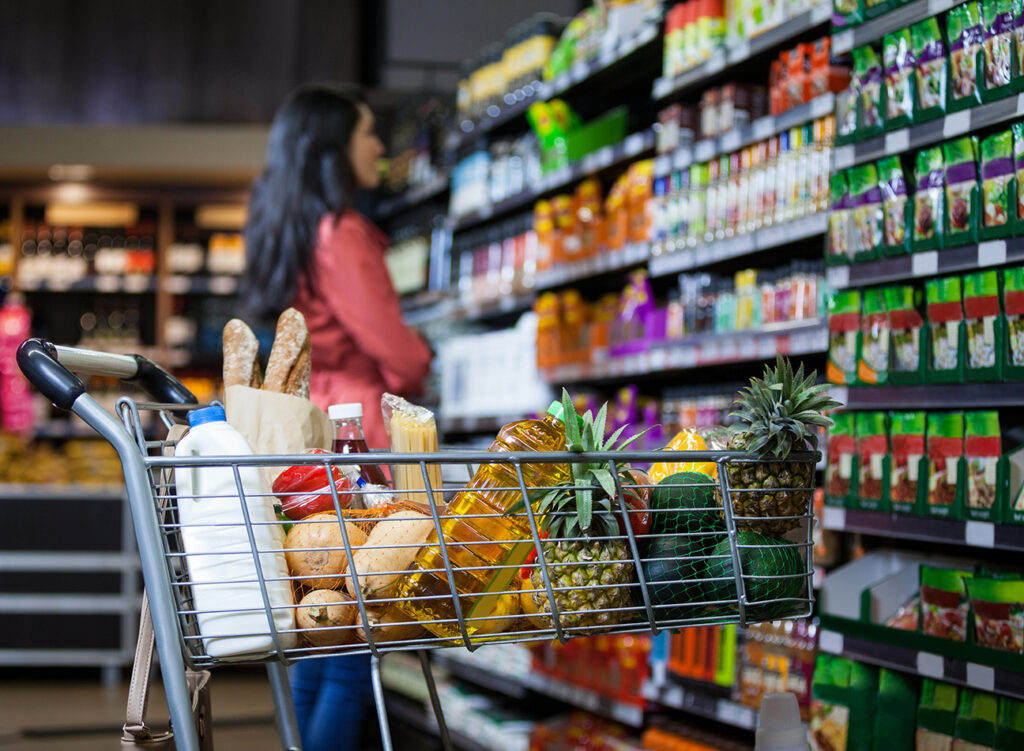
Nov. 1, millions of people — including large percentages of Native
American populations — may not receive their food stamps benefits from
the Supplemental Nutrition Assistance Program, known as SNAP. Photo by
Adobe Stock.
Frost and freezes are starting to set in across
the northern swaths of Indian Country, but the heat may soon get shut
off in family homes.
Lines at food banks on reservations are longer than usual.
Tribal social workers are going without pay.
These are just a few of the challenges tribes face as the U.S. government shutdown continues into its second month.
“Every day without funding stretches social workers and law
enforcement thin, putting vulnerable children in danger,” said Marisa
Cummings, a citizen of the Omaha Tribe of Nebraska and a tribal
consultant with 20 years of experience in federal policy and advocacy.
Starting Nov. 1, millions of people may not receive their food stamps
benefits from the Supplemental Nutrition Assistance Program, known as
SNAP. Also frozen: the Low Income Home Energy Assistance Program; Head
Start preschool funding; and Women, Infants and Children subsidies as
the federal government heads toward a “fiscal cliff.”
In addition to the federal safety-net programs that are particularly
vital to rural tribal communities, the shutdown has also halted funding
that tribes get from the Bureau of Indian Affairs for child welfare and
law enforcement services. That has prevented tribes from paying social
workers and other essential staff, making it difficult to respond to
child protection concerns, conduct home visits, or provide foster care
prevention.
Aaron Payment
The Sault Ste. Marie of Chippewa Indians, the largest tribe east of
the Mississippi, is projecting a 30% to 40% increased burden on its
tribal commodities program because many citizens rely on the SNAP
benefits slated to be paused.
The outcome will be dire, predicts councilmember Aaron Payment.
Their cruelty is not uncommon... This whole mess is a test - to see how far they can go with digital ID, control, to capture us with digital surveillance and digital money, and no more cash. RESIST! Trace
By Native News Online Staff|
Native Vote.New
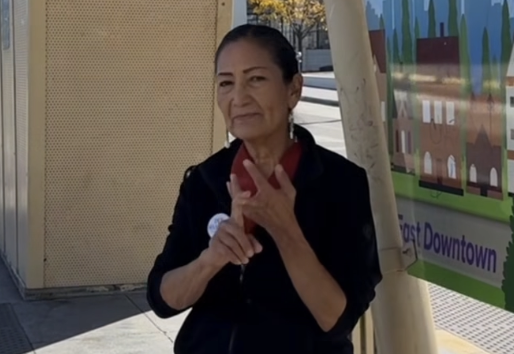
Mexico gubernatorial candidate Deb Haaland released a statement Monday
as the federal government shutdown entered its 31st day, warning that
thousands of New Mexicans are facing food insecurity and healthcare
challenges.
“For the last 31 days, federal
workers across the country have been furloughed, working without pay,
missing paychecks, and facing the uncertainty of being fired,” Haaland
said. “Today, millions of Americans face an added hardship as SNAP
benefits lapse. That’s at least 460,000 New Mexicans who won’t know
where their next meal will come from.”
Haaland said she appreciates state
leaders who extended funding for food programs by 10 days and
acknowledged that recent court intervention has offered temporary
relief.
“In New Mexico, we are proud to
have leaders who are funding the program for an additional ten days, and
while the courts have stepped in for now, these are not long-term
solutions,” she said. “I am grateful to all of the community groups,
volunteers, churches, and others who are working to stock and expand
food banks in their neighborhoods. The only real solution however is for
Republicans to do their jobs and have the backbone to fight for what’s
right.”
She also criticized Republican
lawmakers for contributing to rising healthcare costs, noting the start
of open enrollment amid the shutdown.
“Today also marks the first day of
open enrollment. Republicans passed a law that forced healthcare
premiums to skyrocket, and New Mexicans will pay the price,” Haaland
said. “This means in a state that is already facing a shortage of
healthcare workers, New Mexicans won’t get the coverage they need, won’t
be able to see a doctor when they need to, and will have even longer
wait times between appointments.”
Haaland warned that the shutdown’s effects extend beyond food and healthcare.
“That’s just the tip of the
iceberg,” she said. “The wellbeing of New Mexicans and Americans across
the country is on the brink. Republicans in Washington, D.C. need to do
their job. In the meantime, it’s more clear than ever that state
governments are the front lines and as governor, I will always fight for
solutions to make sure that New Mexicans are fed, healthy, and safe.”
IN ALL THE TREATIES, tribes are promised food (as in health, education, welfare.)
WHAT ABOUT COMMODITIES:
The Food Distribution Program on Indian Reservations
(FDPIR) provides USDA Foods to income-eligible households living on
Indian reservations, and to American Indian households residing in
approved areas near reservations and in Oklahoma. Many households
participate in FDPIR as an alternative to the Supplemental Nutrition
Assistance Program (SNAP).
FNS, an agency of the U.S. Department of Agriculture
(USDA), oversees FDPIR at the federal level. The program is
administered by FDPIR administering agencies, which are either Indian
Tribal Organizations (ITOs) or state governmental agencies. As of fiscal
year (FY) 2024, 110 agencies administer FDPIR, including 107 ITOs and 3
state agencies.
USDA purchases and ships USDA Foods to
administering agencies, which then store and distribute the foods,
determine applicant eligibility, and provide nutrition education to
recipients. USDA also provides administering agencies with funds for
program administrative costs.
FDPIR is authorized under Section
4(b) of the Food and Nutrition Act of 2008 and Section 4(a) of the
Agriculture and Consumer Protection Act of 1973. Federal regulations
governing the program can be found at 7 CFR Parts 250, 253, and 254.
In FY 2024, $170 million was appropriated for FDPIR – approximately
$68.6 million for the federal share of administrative costs, and the
remainder for food purchases.
Participation
Average FDPIR monthly participation for FY 2023 was 49,339 individuals. For more information visit the interactive FNS Program Participation Dashboard.
Sept. 25, 2026 | Relatives walk to remember, church denounces Native beliefs & more
Bookshop
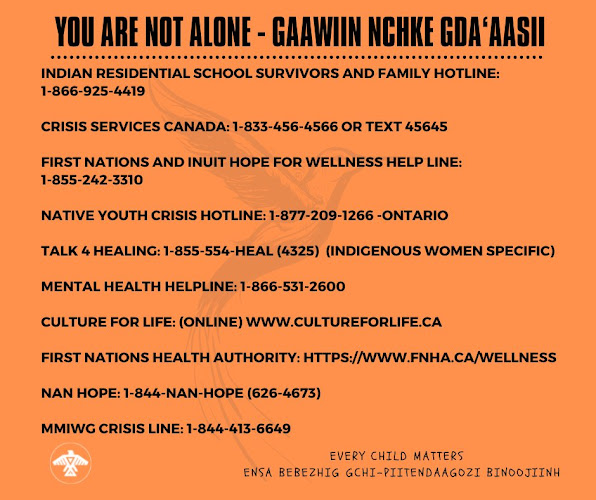
You are not alone
To Veronica Brown
Veronica, we adult adoptees are thinking of you today and every day. We will be here when you need us. Your journey in the adopted life has begun, nothing can revoke that now, the damage cannot be undone. Be courageous, you have what no adoptee before you has had; a strong group of adult adoptees who know your story, who are behind you and will always be so.
Diane Tells His Name
click photo
Lost Birds on Al Jazeera Fault Lines
click to read and listen about Trace, Diane, Julie and Suzie
NO MORE STOLEN SISTERS
click image
We conclude this series & continue the conversation by naming that adoption is genocide. This naming refers to the process of genocide that breaks kinship ties through adoption & other forms of family separation & policing 🧵#NAAM2022#AdoptionIsTraumaAND#AdopteeTwitter#FFY 1/6 pic.twitter.com/46v0mWISZ1
As the single largest unregulated industry in the United States, adoption is viewed as a benevolent action that results in the formation of “forever families.” The truth is that it is a very lucrative business with a known sales pitch. With profits last estimated at over $1.44 billion dollars a year, mothers who consider adoption for their babies need to be very aware that all of this promotion clouds the facts and only though independent research can they get an accurate account of what life might be like for both them and their child after signing the adoption paperwork.












 Posts

