


Minnesota schools are not meeting requirements for American Indian language and culture classes
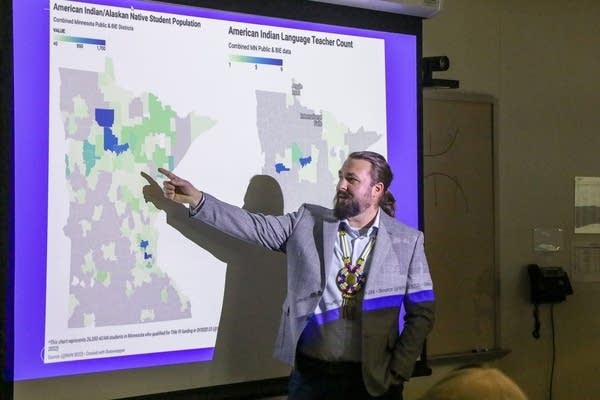

Schools that are required to provide American Indian language and culture classes are falling short, according to a recent statewide report.
The law requires districts where at least 5 percent of students are American Indian — or where 100 or more Native students are enrolled — to offer language and culture classes.
The Midwest Indigenous Immersion Network’s American Indian Language Instruction Report found districts across the state would need to hire more than 150 American Indian language teachers just to reach compliance — and that still wouldn’t meet the needs of Native students enrolled in public schools statewide.
"We find there is a 1:257 teacher-to-student ratio among the school districts in Minnesota that are required to provide language and culture classes,” the report said.
Research consistently links Native language instruction to stronger cultural identity, better academic outcomes, and a deeper sense of belonging — outcomes that matter especially for the approximately 31,000 American Indian students enrolled in Minnesota’s public schools, who have historically faced the highest dropout rates in the state.
“Our students make up about 3.5 percent of the Minnesota state student population, and our American Indian language educators are numbered at 98 out of 200,000 licensed educators in the state,” said Gimiwan Dustin Burnette, President and Executive Director of Midwest Indigenous Immersion Network. “They see Ojibwe and Dakota languages being valued as part-time considerations. That, to me, is the real cost and we don’t talk about it enough.”
A comprehensive picture
The nonprofit surveyed 197 public school districts — those serving 20 or more American Indian students — and all four Bureau of Indian Education schools in Minnesota during spring of 2025. Of those, 194 districts completed the survey, a response rate of 99 percent.
Midwest Indigenous Immersion Network used contact information provided by district administrators to reach out to 87 American Indian language teachers directly. Fifty-five of those teachers completed the survey, with a response rate of more than 60 percent.
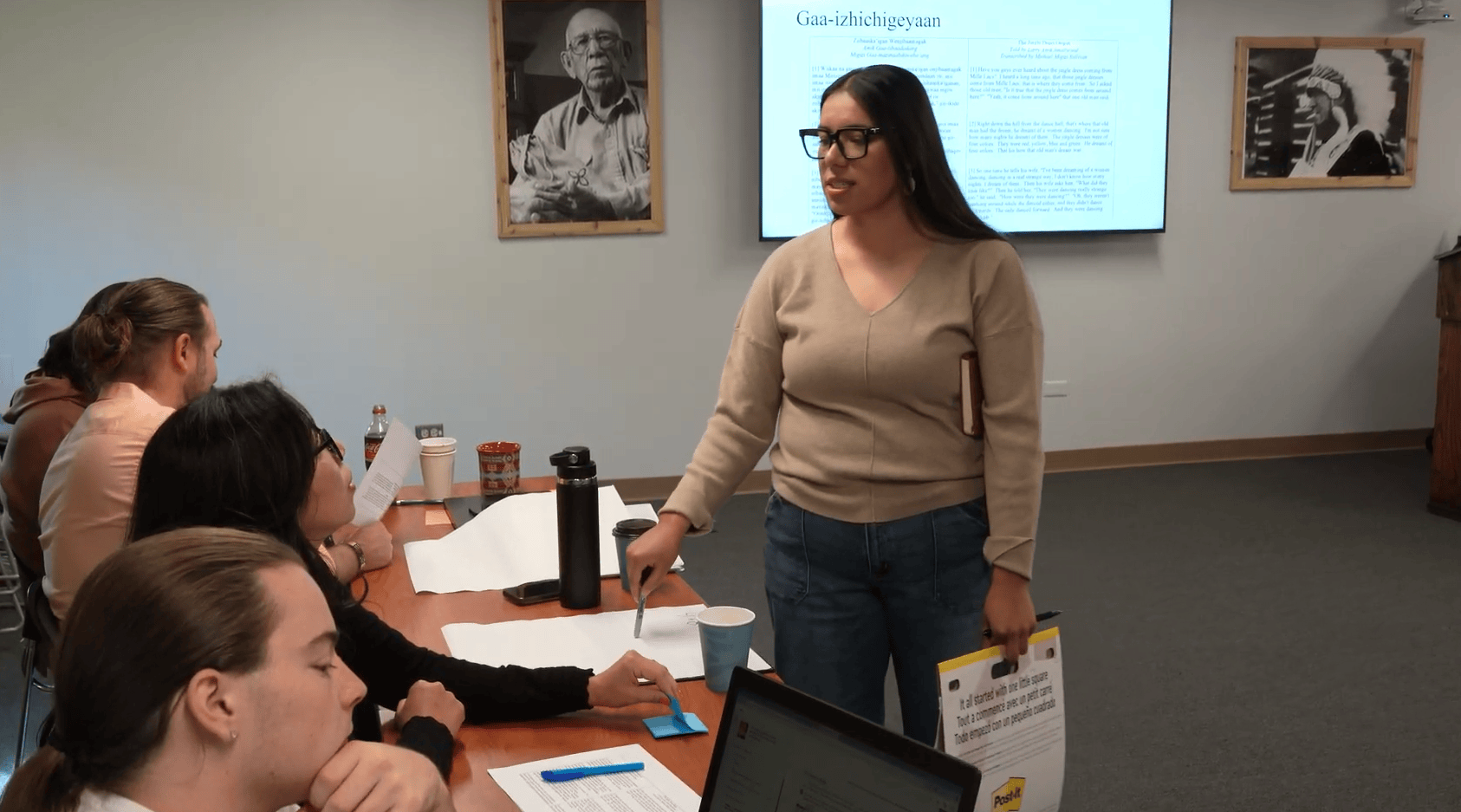
The data reflects some growth in the number of language programs offered by school districts, according to Burnette. When Midwest Indigenous Immersion Network conducted its first survey in the 2022-23 school year, only 35 districts reported offering American Indian language instruction. That number has since grown to 51 — a roughly 40 percent increase in two years.
Burnette credits a 2024 update to state law that strengthened the legal requirement for districts to offer language classes as a significant factor.
“The new legislation was a big contributor to that increase,” said Burnette. “But it’s been a well-known fact in Indian country for decades that we need more.”
Of the 98 American Indian language teachers working in Minnesota public schools, only 11 are teaching full-time. Half of those surveyed spend 20 hours a week or less on language instruction — juggling other job duties on top of their language classes. Many teachers travel between multiple school buildings, teaching students across multiple grades, according to the report.
“Ideally, we’d have multiple full-time American Indian language instructors at each school where student population demands the need,” Burnette said.
The report goes on to say that teachers who do perform the work largely do so without adequate support. Seventy-eight percent reported being responsible for developing all or most of their own curriculum. Just one teacher in the entire survey said their district provided sufficient materials. No comprehensive Ojibwe language curriculum exists at any grade level — early childhood through high school, according to the data.
‘The solution will take time’
Nearly two-thirds of school administrators said teacher recruitment is a challenge, and more than half pointed to funding, according to the report. The two problems feed into each other — without enough money, districts can’t offer positions worth taking, and without good positions, qualified teachers look for jobs elsewhere.
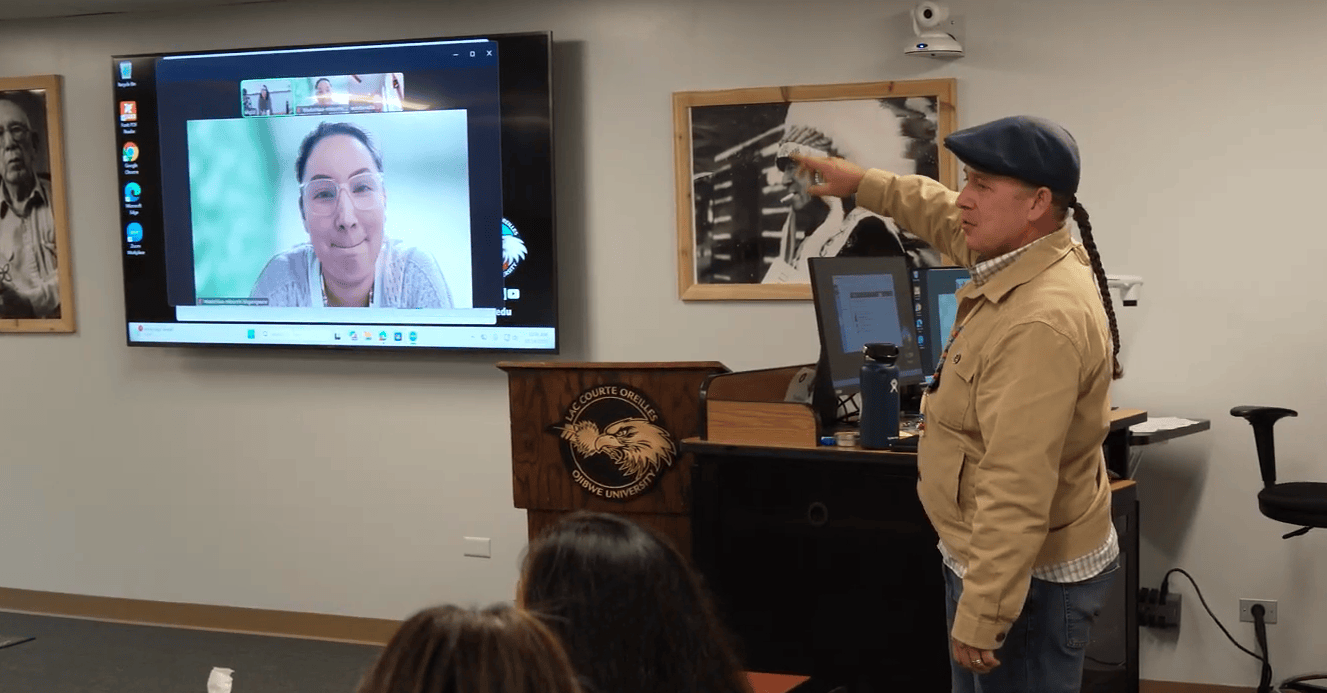
The report recommends an increase to the state’s American Indian Education Aid formula grant and investment in training programs for language teachers. The report also seeks the state’s help in establishing standards and curriculum that exists for every other subject taught in Minnesota schools.
Burnette hopes state lawmakers and school administrators will dig into the data and look for ways they can invest.
“The problem is much bigger than we can actually show you in a report,” Burnette said. “The solution will take time, investment and work. You can’t throw five million dollars at this problem and be done with it. This is going to take time, consideration, collaboration and hard work and it’s going to be worth it.”
MPR: https://www.mprnews.org/story/2026/03/24/minnesota-schools-fall-short-on-american-indian-language-culture-classes









 Posts
Posts


No comments:
Post a Comment
Please: Share your reaction, your thoughts, and your opinions. Be passionate, be unapologetic. Offensive remarks will not be published. We are getting more and more spam. Comments will be monitored.
Use the comment form at the bottom of this website which is private and sent direct to Trace.