


In line with growing trend of repatriation, UC Berkeley to return cultural artifacts to Agua Caliente Band of Cahuilla Indians
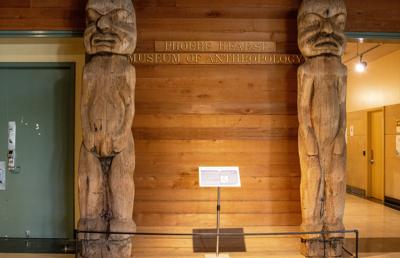
Since January 2026, UC Berkeley has issued eight notices of repatriation or inventory completion in the Federal Register.
UC Berkeley is working to return 36 lots of artifacts that are culturally, traditionally or historically linked to the Agua Caliente Band of Cahuilla Indians.
The repatriation of these artifacts will begin Aug. 7, and artifacts will be returned to the Agua Caliente tribe of the Agua Caliente Indian Reservation near Palm Springs.
According to a Federal Register notice published July 8, the cultural objects include “worked stone, faunal remains, and ceramic fragments.”
“These items are far more than museum collections — they embody the history, traditions, and cultural identity of our people and deserve to be cared for by the descendants and community to whom they belong,” said Jeff L. Grubbe, tribal chairman of the Agua Caliente Band of Cahuilla Indians, in a statement.
Repatriation takes place in accordance with the Native American Graves Protection and Repatriation Act, which requires institutions that receive federal funding to repatriate Native American cultural artifacts and remains.
Since January 2026, UC Berkeley has issued eight notices of repatriation or inventory completion in the Federal Register. In 2025 alone, campus issued 22 notices, according to UC Berkeley’s NAGPRA website. In 2024 and 2023, that number was much lower, sitting at nine and 12, respectively.
Every other year of notices involving UC Berkeley recorded in the Federal Register saw at most 10 repatriation or completion notices.
Institutions issue a notice of inventory completion in the Federal Register if they have identified a cultural affiliation of human remains and the relevant funerary objects. Notices of intended repatriation are issued if an institution has received a repatriation request for unassociated funerary objects or others of cultural significance.
👇
Campus spokesperson Dan Mogulof said in an email that the increase in repatriations is largely due to campus’s efforts to expand its NAGPRA staff — from one person to nine, with an additional seven positions still available — as well as “centralization of NAGPRA-related efforts” in the chancellor’s office and dedicated funding to support repatriation efforts.
“The return of these cultural belongings represents an important step in honoring the intent of NAGPRA and recognizing the enduring connection between the Cahuilla people and our ancestral heritage,” Grubbe said in the statement.
Institutions such as museums, universities and local governments — in this case UC Berkeley and the Phoebe A. Hearst Museum of Anthropology on campus — must give notice of their intent to repatriate items so that anyone affiliated with a tribe can make additional requests. There may be more than one tribe with a connection to the artifacts in question.
UC Berkeley’s NAGPRA committee must then review all repatriation requests, and if certain artifacts have competing requests, it must determine the most appropriate requester.
Mogulof said no repatriation requests have been denied since the committee was formed in 2019.
Grubbe said the tribe valued the museum’s commitment to “engaging in a respectful and collaborative repatriation process and … the professionalism and care demonstrated throughout these discussions.” He added that repatriation makes way for stronger relationships between institutions and Indigenous tribes in the U.S. and that it contributes to preserving cultural heritage.
The Federal Register also issued a notice of intended repatriation July 15, which detailed that campus will return a headdress that belonged to Jim Badroads, who had been chief of the Cayuse Indians on the Umatilla reservation along the border between Oregon and Washington.
Previous acts of repatriation in accordance with NAGPRA have returned artifacts to the Morongo Band of Mission Indians, most recently, and to groups in Hawaii. These moves to repatriate items come after U.S. senators said in 2023 that campus had failed to fulfill NAGPRA requirements of reporting inventories of the items that it held.
Inventories and summaries of artifacts are required in order for museum and federal agencies to repatriate the items.






%20You%20Were%20Never%20Supposed%20to%20Know%20We%20Were%20Still%20Here.png)




 Posts
Posts


No comments:
Post a Comment
Please: Share your reaction, your thoughts, and your opinions. Be passionate, be unapologetic. Offensive remarks will not be published. We are getting more and more spam. Comments will be monitored.
Use the comment form at the bottom of this website which is private and sent direct to Trace.