


Through Indigenous Eyes: Slowly but surely

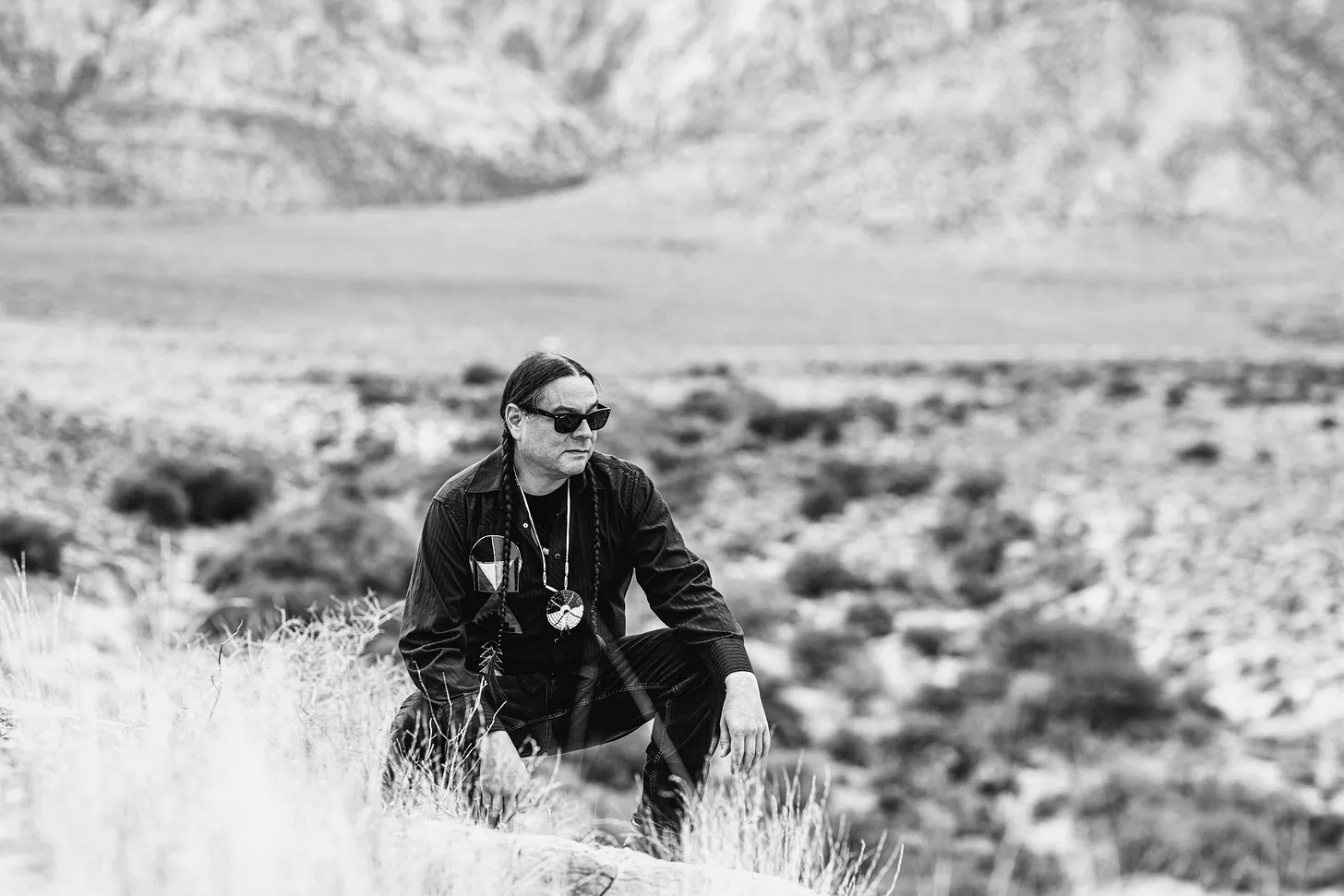
Graphic by Elise Samson
This semester, I have tackled relevant, breaking news stories as they have occurred. From the Bad Bunny Superbowl Halftime Show to the horrific acts of Immigration and Customs Enforcement, the immediate issues of the day have been my major focus. While I believe this coverage is vital, I also recognize that the vast majority of Indigenous issues lie beneath the surface because they have remained issues for years, decades, even centuries. Progress on these issues happens in spurts and is often covered through a non-Indigenous lens. As this is my last column for this semester, I want to bring attention to one of those issues: NAGPRA, or the Native American Graves and Repatriation Act.
Prevalent within American popular knowledge is the issue of the ‘Vanishing Indian,’ or the belief that Native Americans were extinct or on their way to extinction. This understanding of Indigenous people was legitimized through the emergence of anthropology as a discipline in the early 1900s. Anthropologists and archaeologists would go to traditionally Native areas and gravesites (after Indigenous people were forced onto contained reservations), dig up ancestral bodies and take them for scientific study. They wrote and studied Indigenous people as if their entire cultures were dead. Then, bodies were displayed by educational institutions and museums. While this process began in the early 1900s, the same display tactics have been documented in grave robberies as recently as four months ago.
The University of California, Berkeley, was one of the premier institutions for anthropology. Located in my tribe’s proverbial backyard, anthropologists affiliated with the institution stole over 40 bodies of my ancestors. My tribe is not alone; in 2024, it was announced that over 215,000 bodies of Indigenous people were stolen and displayed across the United States. Millions of funerary objects have also been reported.
NAGPRA, a federal law passed in 1990, orders museums and educational institutions that have Indigenous bodies and funerary objects in their collections to repatriate said items to the tribes they originated from. The original law was astonishingly limited in scope; only federally recognized tribes were eligible to have items repatriated, museums had the ability to delay repatriation almost indefinitely and private collections were not required to be evaluated. Accordingly, NAGPRA led to astonishingly little repatriation progress over the following 30 years.
In 2023, the non-profit news organization ProPublica published an expose on NAGPRA’s failures. In a series of investigative articles, it brought public attention to this systemic issue. It published and has been consistently updating a database that shows which institutions are actually engaging in repatriation. In the same year, the Department of the Interior revised NAGPRA to close loopholes, set a firm time limit for repatriation and strengthen the power of tribes in the repatriation process. These changes have already had profound effects, with institutions hiring curators that specialize in NAGPRA and repatriation becoming increasingly accessible to tribes. However, systemic issues, such as federal recognition and private collectors, remain.
While 2023 was a watershed moment, progress concerning NAGPRA has occurred slowly but surely. For example, my home state of California adopted NAGPRA at the state level in 2001. In 2020, they amended the law so that institutions were required to repatriate bodies to non-federally recognized tribes. And the work still isn’t done. For example, while UC Berkeley repatriated 18 of my tribe’s remains between 2002–05, it has yet to make 23 of my ancestors available, even 20 years later. Nationally, 42% of all remains have not been repatriated. These numbers can be shocking, especially since issues with NAGPRA have been criminally underreported.
Engaging with Indigenous issues requires you to confront your own knowledge biases and prejudices. As Americans, we must unlearn the ‘Vanishing Indian’ trope, we must recognize that our universities and institutions have benefited from grave robbery and we must advocate for Indigenous communities that are fighting for justice. We must also think critically about what stories are not being told. This work is a labor of empathy and connection; it is meant to make us uncomfortable, to make us question and to make us care. This work extends far beyond NAGPRA. I hope that, in some small way, this column has helped you to see the world through Indigenous eyes. And I can’t wait to continue on this journey with you.
SOURCE: https://www.tuftsdaily.com/article/2026/04/through-indigenous-eyes-slowly-but-surely







 Posts
Posts


No comments:
Post a Comment
Please: Share your reaction, your thoughts, and your opinions. Be passionate, be unapologetic. Offensive remarks will not be published. We are getting more and more spam. Comments will be monitored.
Use the comment form at the bottom of this website which is private and sent direct to Trace.