


What a remarkable decision! Trace
Revere Auctions is the only known auction house with a formal process for returning spiritual and cultural belongings to Native nations.
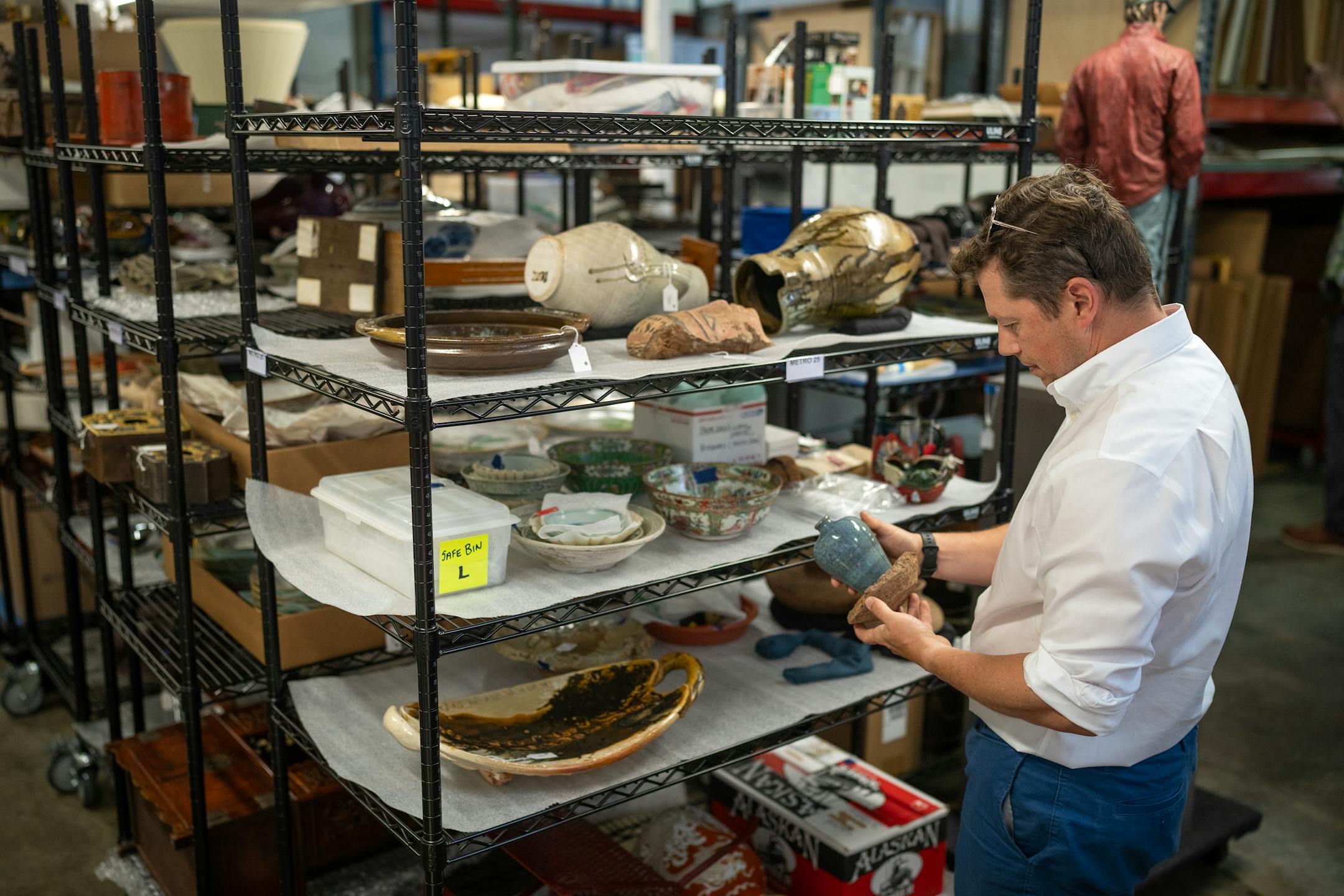
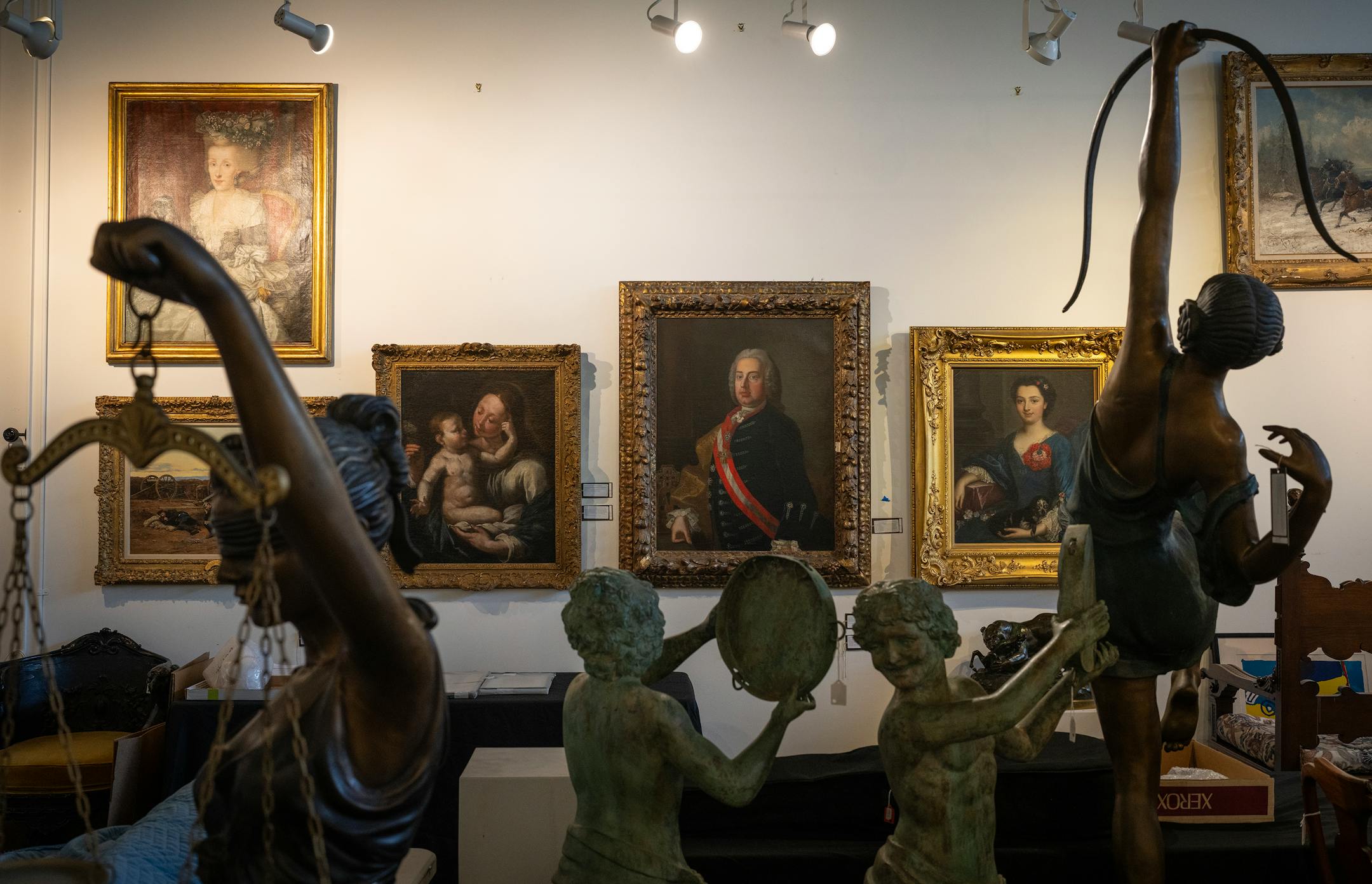
Before every auction, Sean Blanchet sends a spreadsheet to Washington, D.C., where it lands in the inbox of the Association on American Indian Affairs.
There, researchers comb through the list of Native American items up for sale at his St. Paul auction house — tribal masks, feathered war bonnets, ceremonial objects — and flag anything with spiritual or tribal significance.
And when they do, Blanchet doesn’t haggle. He pulls it from the Revere Auctions catalog and sends it home.
“My number one goal is to move the object from where it is, to where it should be,” he said.
Blanchet’s approach is practically unheard of in an industry where tribes are often forced to buy back their own stolen history — or watch it disappear into private collections.
According to AAIA CEO Shannon O’Loughlin, Revere is the only auction house in the United States — and the world — with a formal process for reviewing and returning Native items.
“It is extremely surprising,” she said, “because he’s taking his good faith responsibility, as well as his ethical and moral responsibility, seriously.”
O’Loughlin’s organization has tracked more than 15,000 potentially sensitive Native items sold at auction in 2025 alone. That number exceeded 20,000 last year. Despite the federal Native American Graves Protection and Repatriation Act, she said, there is no real enforcement mechanism for items held in private hands — where most auctioned collections originate.
An ethics statement on Revere’s website acknowledges that many Native American items currently on the secondary market were stolen or unethically purchased. Blanchet sees the moral gap clearly.
“Some of these super sacred objects,” he said, “definitely should not be sold.”
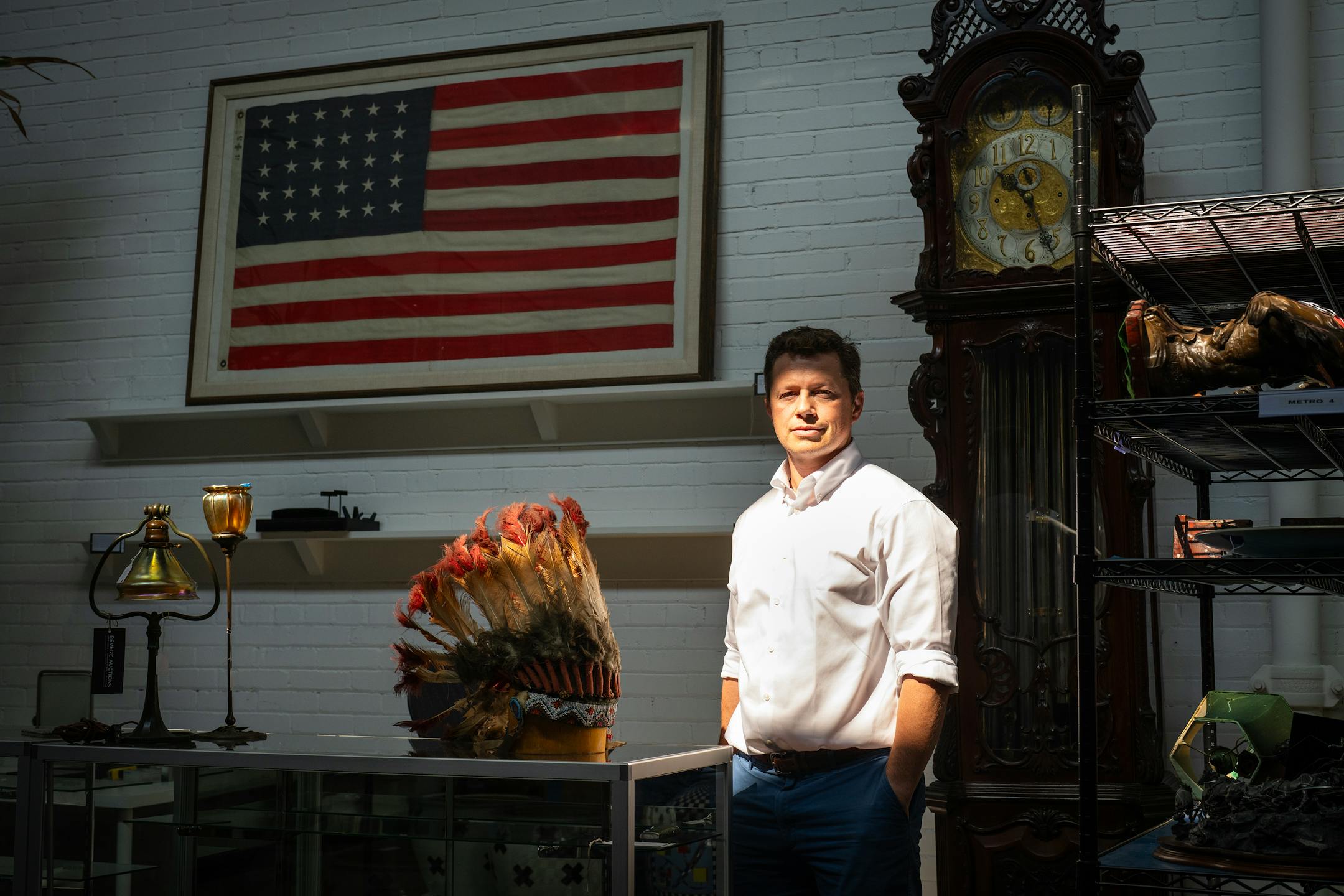
Rewriting the rules of return
Revere Auctions, which Blanchet co-founded in 2017 with business partner Robert Snell, deals in fine art and rare artifacts from around the world. But when it comes to Native items, Blanchet has drawn a hard line: If it doesn’t belong on the block, it doesn’t go on the block.
Since 2018, he and his team — including several young staffers with graduate degrees from the University of Minnesota — have developed a review process that works closely with AAIA and tribal governments. AAIA disseminates Blanchet’s spreadsheet to affiliated tribes across the country, and once a claim is made, Blanchet starts a return process.
Over the past few years, Revere has returned items to White Earth, the Oglala Sioux, the Navajo Nation and the Hopi Nation, among others.
Some of the items came from collectors who inherited them from relatives who worked in the U.S. Forest Service or Indian Health Service. Blanchet, whose own parents worked for the Indian Health Service in Red Lake and Tuba City, Ariz., said he understands how complex that legacy can be.
In some cases, owners agree to donate items outright. When they can’t — often because they were counting on the sale financially — Revere facilitates a purchase, sometimes through outside donors and sometimes through pooled funds.
A recent example involved an item called a Hopi friend, a ceremonial mask that Blanchet described as “a being, in and of itself.”
The seller couldn’t afford to part with it for free. So Blanchet secured two donors, made a contribution himself and paid the seller a modest price. Then he shipped the item back to the Hopi Nation.
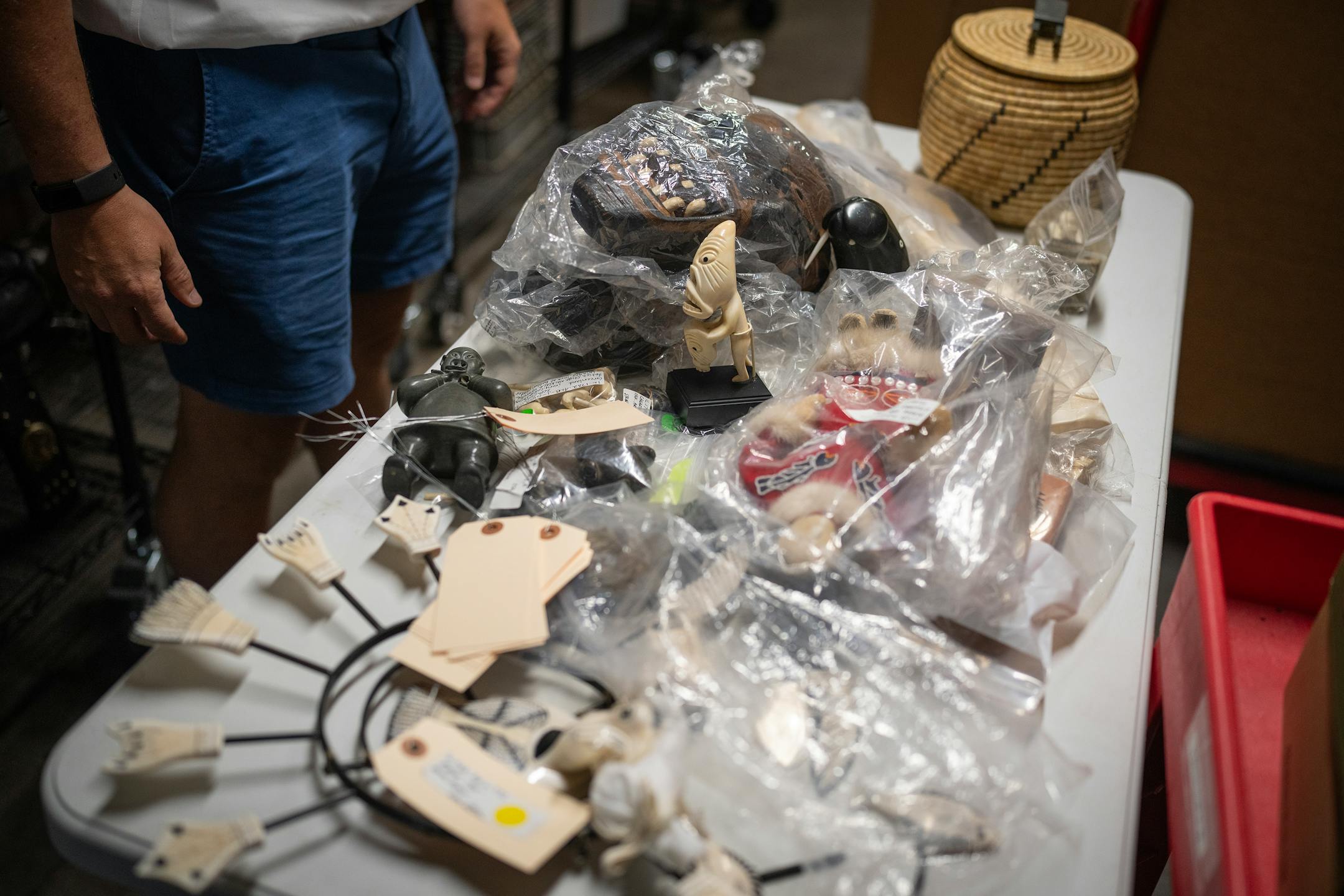
“We paid for the shipping and packing, and we sent it back,” Blanchet said. “We worked with the tribal preservation office of the nation.”
But not everyone sees open-market transactions as true repatriation. Jacob Syverson, the tribal historic preservation officer for the White Earth Nation, said the idea of having to buy back historically significant items — especially when sellers or auction houses profit — runs counter to the spirit of return.
“These are people that are making huge profits off historically significant relics,” he said. “Sometimes people will donate items to be placed on display at our headquarters, or we may work on repatriation of items, but we don’t have to spend thousands of dollars to an individual or auction houses who take cuts.”
In cases when neither donation nor pre-sale purchase is possible, Revere clearly marks the item in the auction catalog and gives tribes the right to purchase it within seven days after the sale at fair market value. That way, Native nations don’t have to bid against private collectors and drive up the price of items that were never meant to be sold in the first place.
That step matters, said O’Loughlin, because when tribes have to bid, “they’re forced to compete for something that was taken from them.” It also creates a perverse incentive for sellers to see sacred belongings as high-value collectibles.
“The tribes don’t want to get in the business of making these things more valuable,” Blanchet said. “Because they’re already pretty desirable.”
He added that total bans on market sales can also backfire — pushing items underground, where they’re harder to trace and recover.
“When things get totally banned from being transacted,” he said, “nobody knows where it is, and it’s really hard to track it down.”
Disputed belongings, difficult decisions
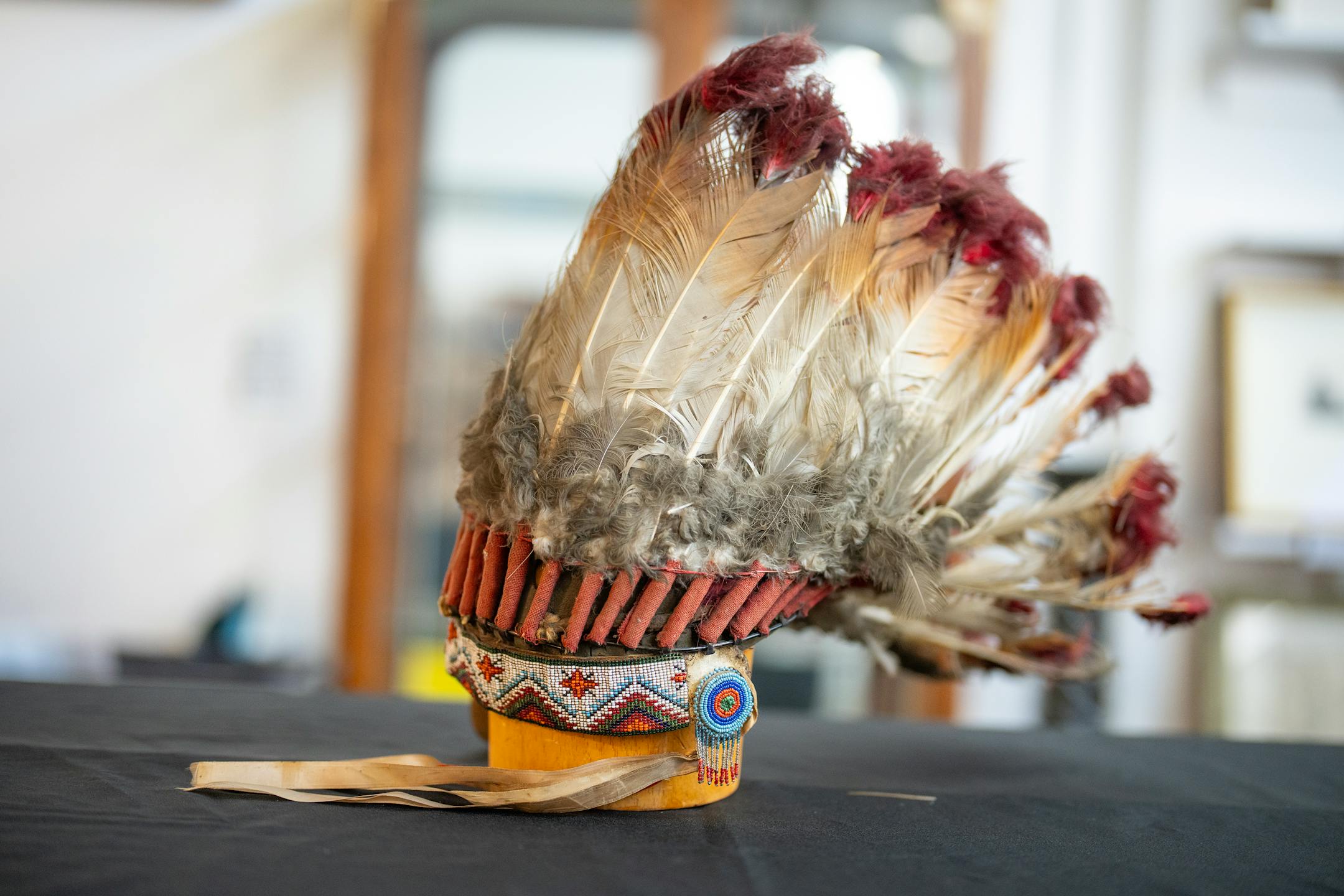
Not every return is simple. A war bonnet in Revere’s possession drew interest from 10 different tribes.
In past cases, Blanchet said, competing claims have been resolved easily — each party just wanted to ensure the item got home. But this one has proved harder.
In situations like this, O’Loughlin said, the association doesn’t intervene to determine ownership.
“We simply ask the nations to make a decision about how to bring an item home,” she said. “And that if they can’t decide, then it’s likely that the item may go away.”
Blanchet doesn’t want to be seen as the arbiter.
“I have an immortal fear of somebody feeling slighted by the process,” he said. “I am not an expert.”
The process of returning items takes time, research, negotiation and deep trust — all for items that won’t earn commission. But Blanchet said that’s not the point.
“There’s no big incentive other than that it’s the right thing to do,” he said.








 Posts
Posts


No comments:
Post a Comment
Please: Share your reaction, your thoughts, and your opinions. Be passionate, be unapologetic. Offensive remarks will not be published. We are getting more and more spam. Comments will be monitored.
Use the comment form at the bottom of this website which is private and sent direct to Trace.